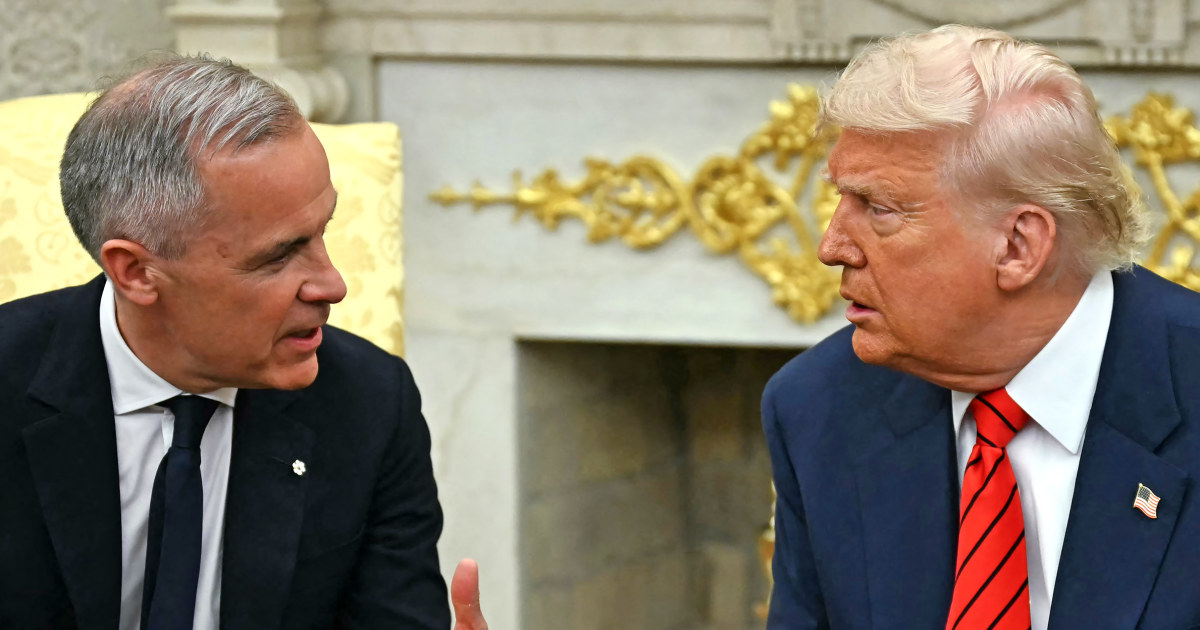
Trump and Carney Signal Progress as US Recalibrates Canada Tariffs
The Trump administration is showing early signs of softening its combative trade stance toward Canada, shifting rhetoric just days before the midterm elections. As inflation remains a top concern for American voters, President Donald Trump signaled over the weekend that a potential trade deal could be “settled pretty soon,” noting that Canadian officials were willing to concede ground, NBC News reported.
Trade Inflation Pressures Senate Races in Battleground States
The pivot arrives as the White House faces pressure in key battleground states where trade-related inflation has become a primary electoral drag. Control of the U.S. Senate hinges on tight contests in states with deep economic ties to Canada, including Maine, Alaska, and Michigan. In Maine, Republican Sen. Susan Collins has pushed for a reduction in tariffs, as have candidates in Alaska and Michigan who view the ongoing trade dispute as a direct burden on local consumers.
The administration’s move to lift some tariffs late last week—while replacing them with others—marks a technical recalibration of the trade war that began after negotiations collapsed in August. Since that breakdown, both nations have maintained 50% tariffs on hundreds of import categories.
Diverging Views on Trade Progress
While U.S. officials are projecting optimism, Canadian leadership maintains a more cautious outlook. Canadian Prime Minister Mark Carney noted a “slight intensification” in trade talks this week, but disputed the President’s characterization of the negotiations. “To the extent any progress has been made, it’s because the U.S. is coming closer to our position,” Carney said Monday in Ottawa.
The disparity between the two capitals remains significant. While Kevin Hassett, director of the National Economic Council, claimed on Fox News that the two nations were “very close to finally having a deal,” Canadian officials have not confirmed that timeline. A spokesperson for the Canadian minister responsible for trade stated only that Canada remains in constructive dialogue with U.S. counterparts on a range of priorities.

Persistent Barriers in Negotiations
The fundamental disagreements that halted trade talks in August remain unresolved. Carney emphasized that Canada has established clear “red lines” and will not sign an agreement that does not meet its core economic requirements.
The U.S. Commerce Department did not immediately provide comment on the status of the negotiations as of Tuesday. With the midterm elections arriving on November 3, the window for a formal resolution before the voting concludes is rapidly closing, leaving businesses and consumers to manage a volatile economy where the cost of imported goods remains tied to the outcome of these high-stakes diplomatic meetings.
More on Canada
Related reading