Italy Adopts Agenda di Firenze at Festival of Regions in Florence
“This Agenda will be a benchmark for the work of the regions in the coming months,” said Tuscany’s regional president, Eugenio Giani, as Italy concluded its fifth Festival of Regions in Florence today.
The three-day gathering wrapped up with the formal signing of the Agenda di Firenze. Hosted by Tuscany and organized by the Conference of Regions and Autonomous Provinces, the event brought together regional presidents and national government representatives to discuss the relationship between regional authorities and central government as well as the challenges facing the country.
The newly minted agreement is designed to serve as a baseline for future institutional dialogue rather than a binding legislative decree. Giani emphasized the necessity of entering a renewed phase of intergovernmental cooperation amid a volatile political and economic climate, pressing the national government and parliament for adequate funding to manage regional responsibilities.
Reform Priorities Focus on Digital Transformation and Regional Competitiveness
The priorities ratified in the document cover a wide spectrum of public administration reform and economic development. Central among these are targeted investments in digital transformation and the reinforcement of public-sector staffing levels.
The framework also addresses regional competitiveness, sustainable development initiatives, climate change mitigation, urban regeneration, and long-term community resilience. Additional focal points include public mobility, social inclusion, educational frameworks, vocational training, employment programs, healthcare infrastructure, sport, and cultural preservation.
Institutional Working Commissions in Florence
For the first time in the festival’s history, the Conference of Regions’ commissions held their official working meetings directly within the event schedule. This shift integrated technical policy debates into the broader institutional summit.
Discussions centered heavily on strengthening the national health service, expanding local healthcare access, managing the ongoing environmental and energy transition, and addressing demographic shifts alongside the unique socioeconomic challenges confronting Italy’s inland and mountain territories.
Exhibitions and Public Squares Across the City
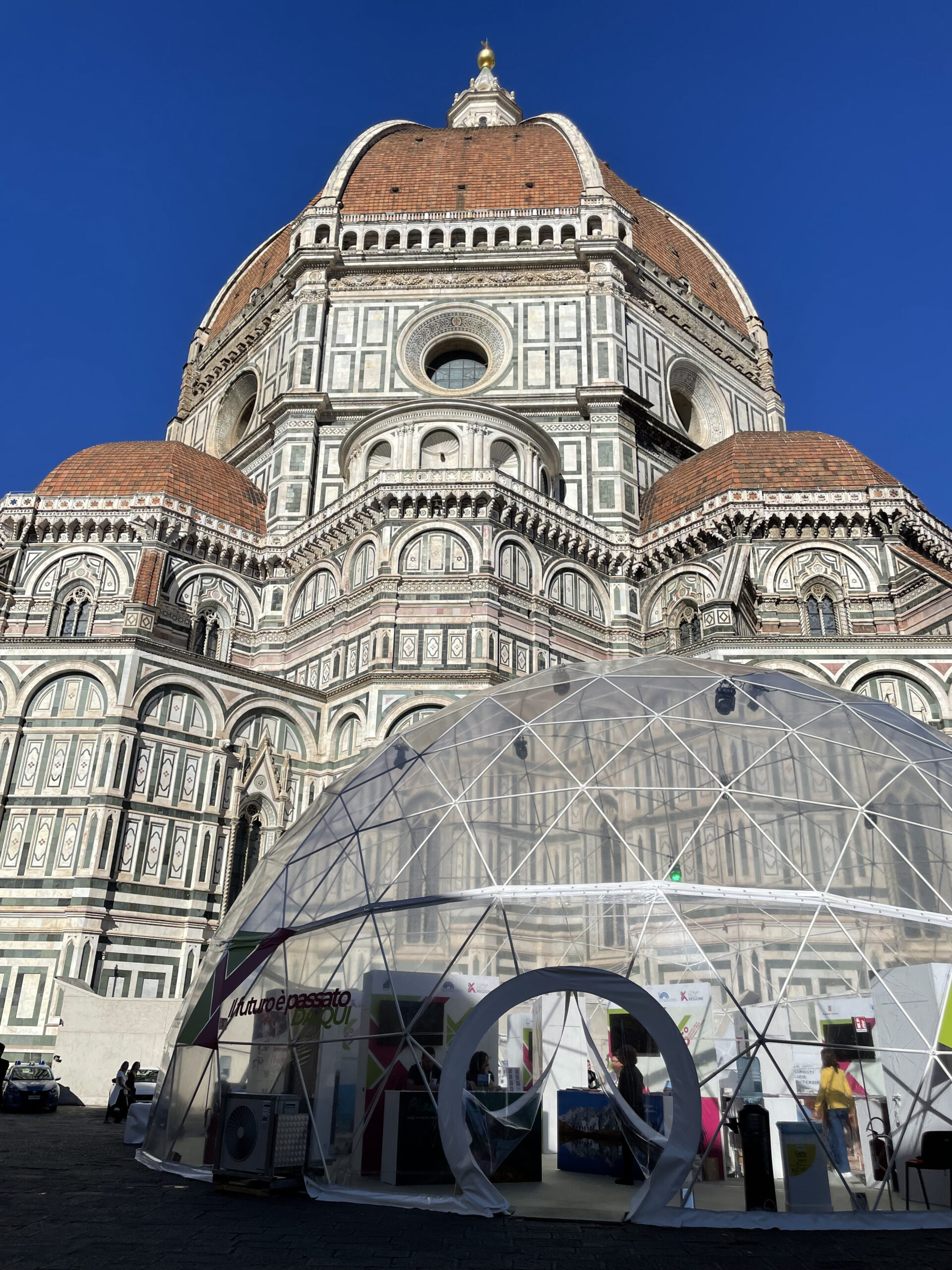
Beyond closed-door institutional negotiations, the festival utilized three central Florentine squares for public engagement under the overarching title The Future Has Passed Through Here: Regions at the Centre of a World in Constant Change.
Piazza del Duomo hosted regional institutional stands alongside public forums and a specialized exhibition highlighting digital innovation. In Piazza Santa Croce, visitors engaged with regional food and wine displays, alongside interactive programs dedicated to sport, personal wellbeing, and civil protection. Meanwhile, Piazza della Signoria hosted evening film screenings focused on Italian landscapes and cultural heritage.
The Agenda di Firenze now stands as the starting point for regional governance as local authorities prepare to lobby parliament for the administrative resources detailed in the text.