
“`html
Philippines Announces New Rice Tariff guidelines for 2026
Table of Contents
Manila, Philippines – President Ferdinand Marcos Jr. has established a framework for adjusting rice import tariffs, impacting the world’s largest rice importer, beginning January 1, 2026. The move follows an extension of the current 15% tariff rate until the end of 2025.
Understanding the New Rice Tariff Adjustments
The new guidelines, outlined in Executive Order 105, will link tariff adjustments to fluctuations in international rice prices. This aims to balance the interests of Filipino consumers and rice farmers, ensuring affordability while protecting local agricultural producers.
Currently, a 15% tariff is applied to rice imports.The extension of this rate until december 31, 2025, provides a period for the government to monitor market conditions and finalize the implementation of the new adjustment mechanism.
Why This Matters: The Philippines and Global Rice Trade
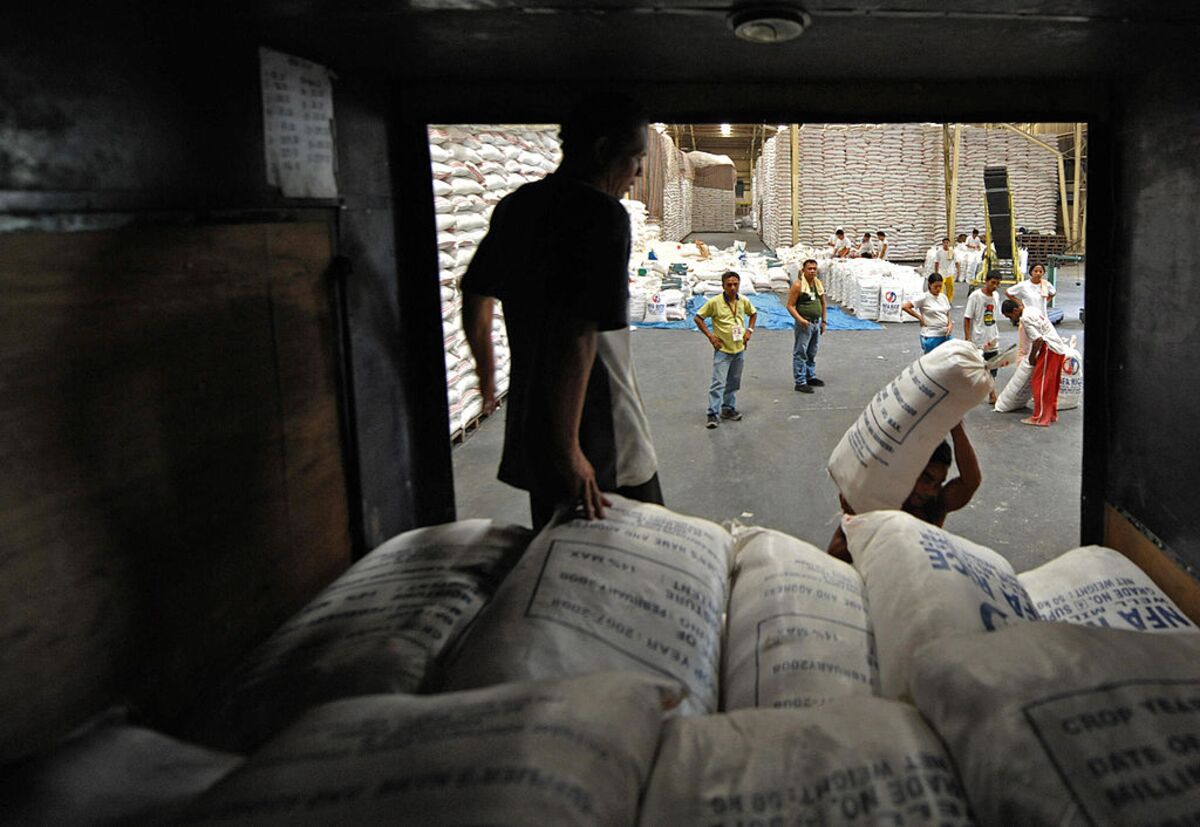
The Philippines is heavily reliant on rice imports to meet domestic demand. As the world’s top importer, changes in tariff policies have significant implications for both the national food security and the global rice market. The government’s decision to tie tariffs to international prices reflects a proactive approach to managing price volatility and ensuring a stable supply of this staple food.
Previous tariff adjustments have been implemented to address concerns about rising rice prices and to support local farmers. This latest move builds upon those efforts, aiming for a more dynamic and responsive tariff system.
Rice Tariffs in the Philippines: A Past Overview
The Philippines has a complex history with rice tariffs, shifting between protectionist measures and liberalization policies over the decades. Historically, high tariffs were used to shield local farmers from competition. However, in recent years, ther’s been a trend towards reducing tariffs to lower costs for consumers. The current system represents an attempt to find a balance between these competing priorities. Global rice production and trade are influenced by factors like weather patterns, geopolitical events, and international trade agreements, all of which impact the Philippines’ import needs and tariff strategies.
Frequently Asked Questions About Philippine Rice tariffs
- What is the current rice import tariff in the Philippines?
- The current rice import tariff is 15% and is extended until December 31, 2025.
- When will the new rice tariff guidelines take effect?
- The new guidelines,based on international price movements,will take effect on January 1,2026.
- Why is the Philippines the world’s top rice importer?
- The Philippines has a large population and limited domestic rice production capacity, necessitating significant imports to meet national demand.
- What is the purpose of adjusting tariffs based on international prices?
- Adjusting tariffs based on international prices aims to balance affordability for consumers with support for local rice farmers.
- Where can I find more facts about Executive Order 105?
- you can find the full text of Executive Order 105 on the Presidential Communications Office website: https://pco.gov.ph/news_releases/palace-issues-eo-
