
Iran‘s Influence in Lebanon faces New challenges
Table of Contents
beirut – A recent report from the Jerusalem Post details a shifting dynamic in the complex relationship between Iran and Lebanon,highlighting efforts to curtail Tehran’s influence and restore Lebanese sovereignty. The analysis, initially reported by Lebanon 24, centers on recent diplomatic engagements and internal Lebanese political maneuvering.
Diplomatic Tensions and Shifting Alliances
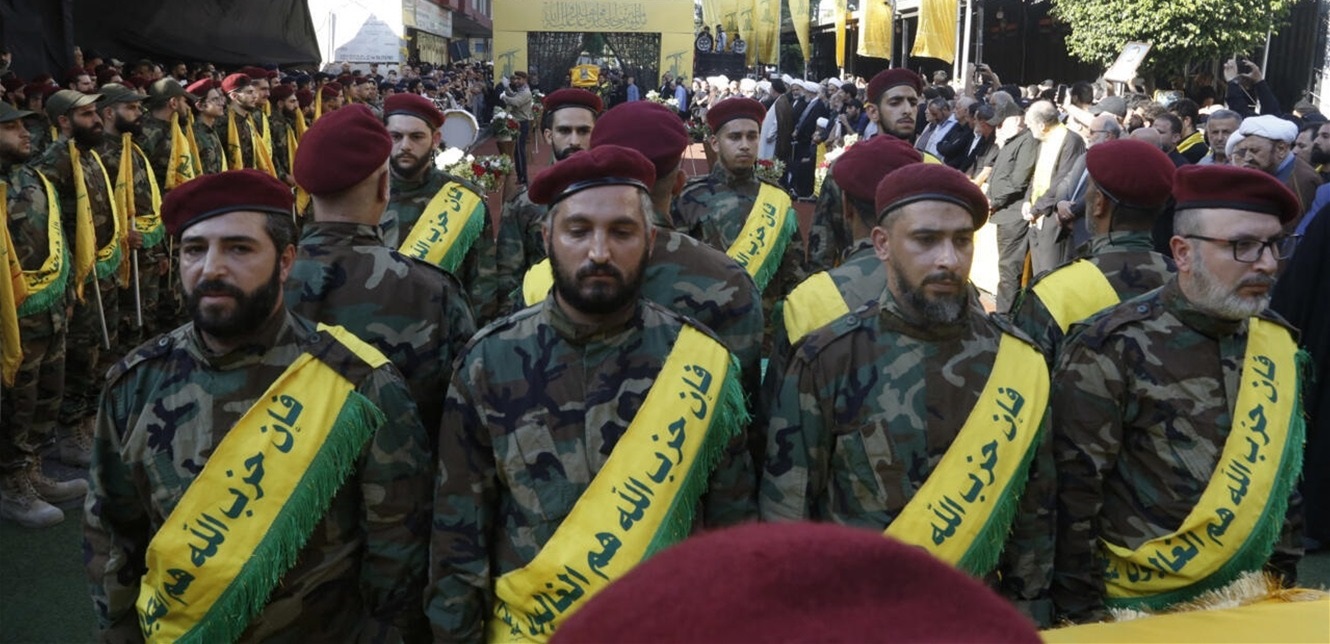
Ali Larijani, Secretary of Iran’s Supreme Council of National Security, visited Lebanon last week amid heightened tensions. The visit coincided with Lebanon’s attempts to reassert it’s authority, a sovereignty largely eroded as the 1980s with the rise of Hezbollah [1]. According to the report, for decades, Beirut has been unable to exert influence over Tehran, effectively operating as a state within a state due to Hezbollah’s Iranian sponsorship.
Larijani’s visit occurred as Lebanese leaders, including President Joseph Aoun and Prime Minister Nawwaf Salam, are pursuing a new political system aimed at restricting Hezbollah’s power, which they view as the root cause of Lebanon’s security, political, and economic challenges. A pivotal decision was made on August 5th to disarm Hezbollah, a move spearheaded by Aoun, Salam, and Foreign Minister Youssef Raji, who notably boycotted Larijani’s visit.
During meetings, Aoun and Salam reportedly expressed strong disapproval of Iran’s interference in Lebanese affairs, publicly voicing their concerns through Lebanese media outlets. They also protested recent statements from Iranian foreign Minister Abbas Araqji and Ayatollah Ali Khamenei’s advisor, Ali Akbar Velayati, opposing Hezbollah’s disarmament.
Did You Know? hezbollah receives substantial financial and military support from Iran, estimated to be in the hundreds of millions of dollars annually, according to various intelligence reports.
lebanon’s Resolve and External Pressures
Salam reportedly informed Larijani that Lebanon does not require Hezbollah to compel Israel to withdraw from disputed territories in the south, asserting Lebanon’s commitment to achieving this through its own army by the end of 2025.This stance represents a notable departure from previous reliance on Hezbollah as a proxy force.
However, Larijani downplayed any deliberate Iranian plan for Lebanon, suggesting the united States is the primary architect of regional strategies. He urged Lebanese officials to resist American interference and maintained that Iran does not interfere in Lebanese decision-making, simultaneously calling for the cancellation of the disarmament plan, citing perceived US and Israeli pressure.
Concurrently with larijani’s visit, the Lebanese Army Chief of Staff visited Israeli military sites in southern Lebanon, while a Hezbollah operative was targeted near Bint Jbeil. This highlights the strategic complexities facing Lebanon, caught between Israel’s efforts to prevent Hezbollah’s rearmament and Iran’s continued support for the group.
US and Israeli Perspectives
The report suggests that the United States’ ambition to quickly dismantle Hezbollah could destabilize Lebanon. Despite strong support from the Shiite community, Hezbollah has demonstrated its unwillingness to relinquish its arms, viewing them as essential for its existence. Israel, therefore, must also focus on undermining Hezbollah’s social base within the Shiite population.
The report advocates for a long-term strategy involving US investment in alternative networks to counter Hezbollah’s influence and support anti-Hezbollah Shiite factions. Simultaneously, increased economic pressure on Hezbollah is recommended to limit its ability to maintain influence and provide financial support to its members.
Pro Tip: Understanding the historical context of the Lebanese Civil War (1975-1990) is crucial to grasping the current power dynamics and the rise of Hezbollah.
| Key Figure | role | Affiliation |
|---|---|---|
| ali Larijani | Secretary of the Supreme Council of National Security | Iran |
| joseph Aoun | President | Lebanon |
| Nawwaf salam | Prime Minister | Lebanon |
| Youssef Raji | Foreign Minister | Lebanon |
Looking ahead
The report concludes that while Iran will likely resist abandoning its strategic asset in Hezbollah, Larijani’s statements may indicate a pragmatic assessment of the changing landscape. The future of Iran’s role in Lebanon remains uncertain, contingent on the success of Lebanese efforts to reassert sovereignty and the evolving geopolitical strategies of regional and international actors. What impact will these developments have on the broader regional stability?
Will Lebanon be able to successfully navigate these complex challenges and achieve lasting sovereignty, or will it remain a battleground for regional power struggles?
The dynamic between Iran and Lebanon is rooted in decades of regional conflict and sectarian tensions. Hezbollah’s emergence as a powerful political and military force has fundamentally altered Lebanon’s internal balance and its relationship with neighboring countries.The ongoing struggle for influence reflects broader geopolitical competition between Iran, the United States, and Israel. Understanding these historical and strategic factors is essential for comprehending the current situation and anticipating future developments.
Frequently Asked Questions about iran’s Role in Lebanon
- What is Hezbollah’s primary source of funding? Hezbollah receives significant financial and military support from Iran.
- What is Lebanon’s current stance on Hezbollah’s disarmament? The Lebanese government, under President Aoun and Prime Minister Salam, has recently taken steps towards disarming Hezbollah.
- What role does the United States play in the Lebanon-Iran dynamic? The US is actively working to counter Iran’s influence in Lebanon and support Lebanese sovereignty.
- What are the key challenges to Lebanon’s sovereignty? Internal political divisions, economic instability, and external interference from regional powers pose significant challenges.
- What is Iran’s stated rationale for supporting Hezbollah? Iran views Hezbollah as a key ally in its regional strategy and a deterrent against Israeli aggression.
We encourage you to share this article with your network, leave a comment with your thoughts, and subscribe to our newsletter for more in-depth analysis of global events.
