
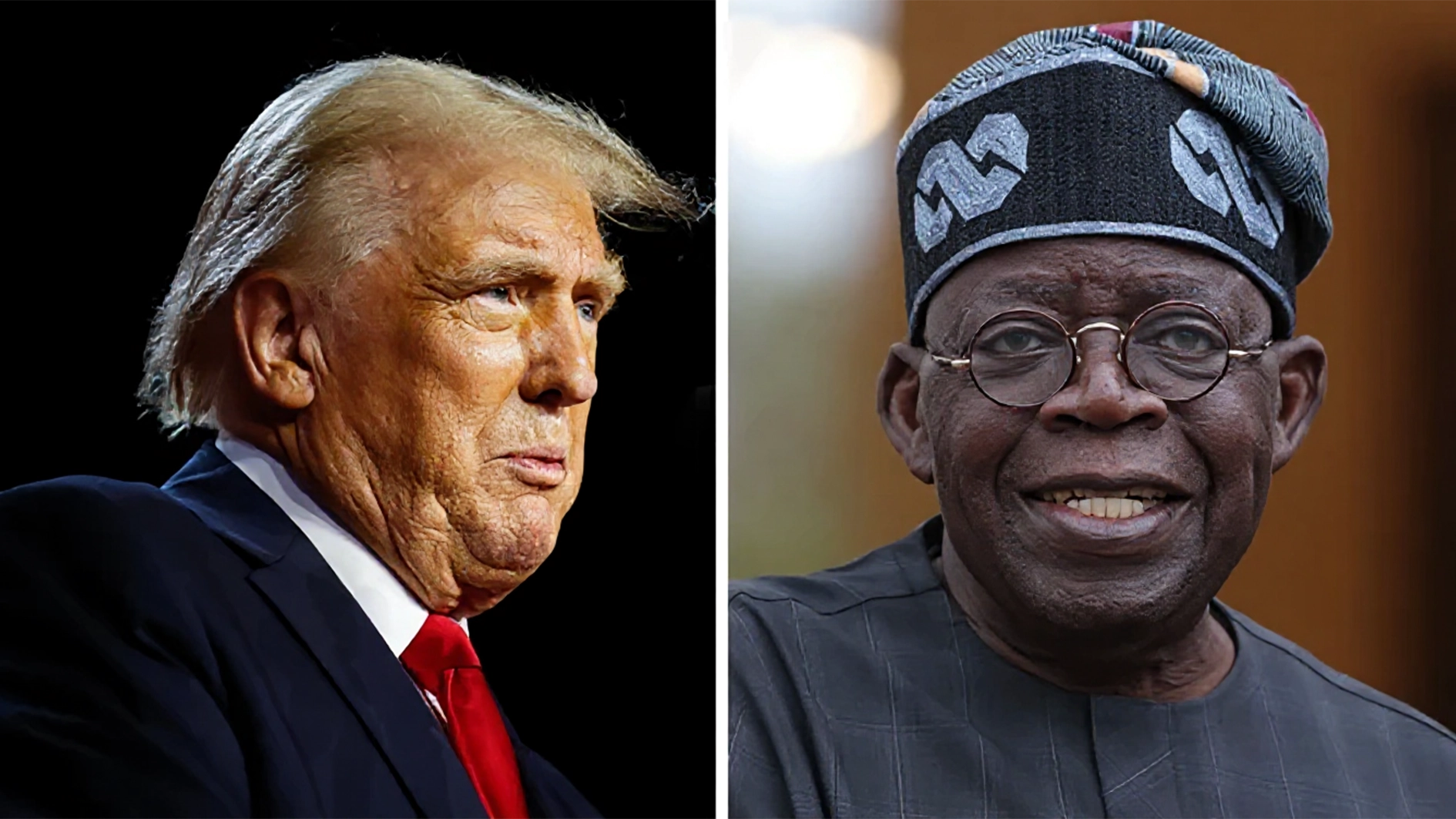
diplomatic Tensions Rise as Trump Remarks Strain US-Africa Relations with Nigeria & Somalia
Nigeria and Somalia are navigating a period of renewed diplomatic friction with the United States following controversial statements made this week by US President Donald Trump. the remarks have sparked reactions in both African nations, occurring against a backdrop of already delicate US-africa relations.
In Nigeria, government officials have adopted a measured diplomatic approach in response to Trump’s public comments and policy shifts concerning immigration, security collaboration, and governance within Africa. Nigerian authorities have consistently emphasized that engagement with Washington must be founded on mutual respect, particularly regarding crucial areas like counter-terrorism efforts, trade, and migration policies.
While avoiding direct public confrontation,nigerian diplomats have confirmed ongoing discussions with their US counterparts concerning security assistance and regional stability,specifically within West Africa. Nigeria remains a vital partner to the US in counter-terrorism operations targeting armed groups operating in the Lake Chad basin and the north-western regions, despite persistent violence despite years of military intervention.
Somalia found itself directly in the spotlight on Tuesday when President Trump, during a cabinet meeting, described the country in disparaging terms, stating it “stinks” and expressing a desire to limit Somali migrants entering the US.
These comments followed a significant fraud case in Minnesota, where prosecutors allege approximately $1 billion was fraudulently obtained through false billing schemes, largely involving Somali Americans. Trump accused Somali migrants of lacking gratitude and falsely claimed Somalia is characterized by constant internal conflict and violence.
The Somali government has, thus far, refrained from issuing an official statement. Officials in Mogadishu have not responded to requests for comment from AFP, a silence widely interpreted as a reflection of Somalia’s significant reliance on the United States for both military and humanitarian aid, particularly in its ongoing fight against the Al-Qaeda-affiliated Al-Shabaab group.
Public reaction in Mogadishu has been swift and divided. Daud Bare, a grocer in the Waberi district, stated, “It is indeed not the first time that President Trump has spoken negatively about Somalia and the Somali people, but this time his offences are unacceptable. It is high time that the government breaks its silence and tells Trump to stop insulting Somalia.”
Hassan Ali, a 23-year-old university student, described the remarks as “rude,” adding, “Every country has its own faults, even america. We know that many people are killed in American cities every year, sometimes more than those killed in Somalia.”
However, some expressed caution. Mahdi Ibrahim, a university lecturer, noted, “The US government is supporting Somalia in the fight against terrorism. If the federal government irritates Trump, he may not hesitate to withdraw US support as he did before.”
Nuradin Abdi, an NGO worker, emphasized the need for internal reflection within Somalia.”Somalia is still struggling with wars and corruption, and its people are refugees all over the world,” he said. “If we want to change the negative global narrative, we must improve our system of governance.”
Trump’s statements arrive as his governance continues to pursue stricter immigration controls and reassess foreign aid commitments, policies that have already impacted several African nations. Despite the strained rhetoric, both Nigeria and Somalia remain strategically significant to Washington, highlighting the delicate balance between public statements and ongoing diplomatic necessities.
