Timms Review Will Not Propose Tightening PIP Eligibility
The government-led review into disability payments, chaired by Sir Stephen Timms, will not propose a tightening of eligibility for Personal Independence Payments (PIP), according to people briefed on the matter.
The findings, set for publication on Tuesday, show a potential split between welfare strategies for younger claimants and the wider adult population.
The report suggests that claimants of disability benefits should not be compelled to engage in work-related support, volunteering, or other activities, City AM reported. It is also expected to conclude that individuals currently receiving PIP should retain their access to cash support. Sir Stephen Timms, the disability minister, was not tasked with delivering specific cost savings in the review, having been instructed to base findings on existing projected spending levels.
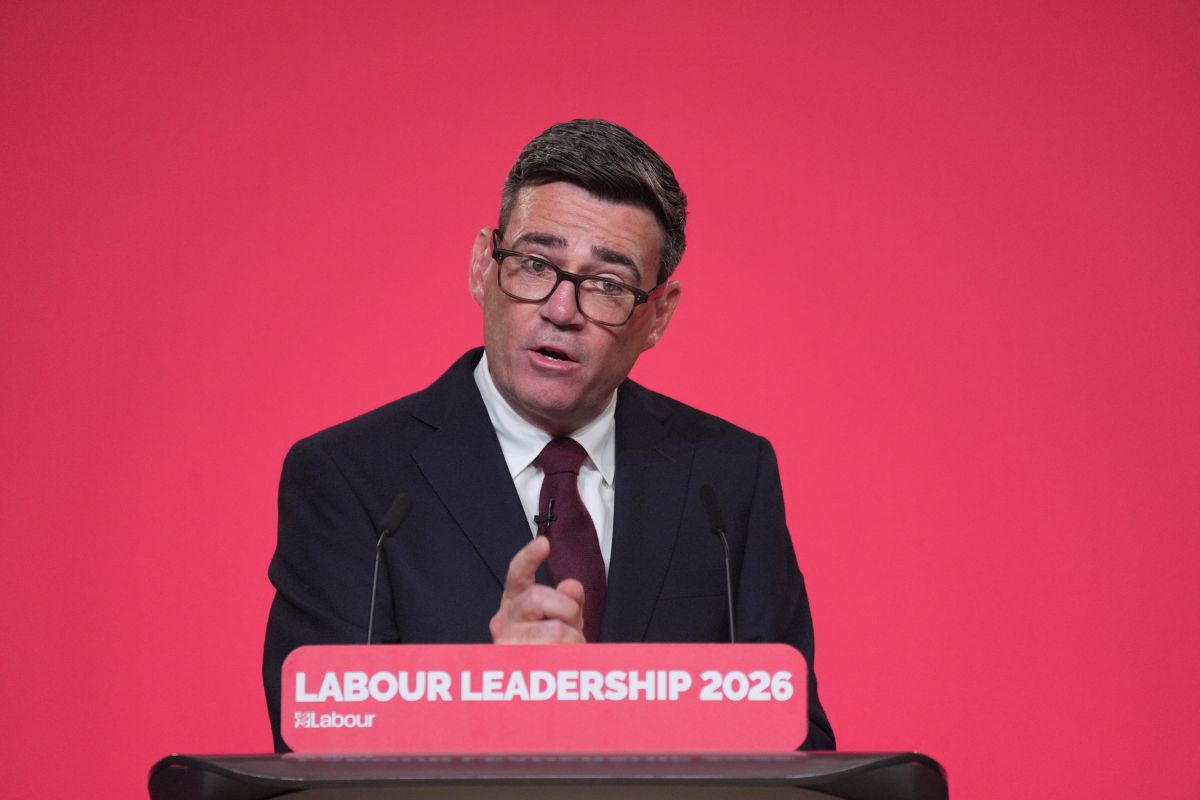
Prime Minister Andy Burnham has expressed a desire to apply the philosophy behind Alan Milburn’s recent report on youth unemployment to the broader welfare system. Milburn’s recommendations, which focused on individuals aged 16 to 24, suggested a reduction in benefits of approximately £3.6bn per year by tightening eligibility criteria for those with conditions such as anxiety, depression, or ADHD.
The fiscal backdrop remains challenging as borrowing costs remain elevated and the government faces pressure to fund defense and infrastructure projects. The Office for Budget Responsibility indicates that the total welfare bill, excluding pensioner spending, is set to reach approximately £183bn this year. Within that total, PIP accounts for roughly £50bn, a figure projected to grow as a share of GDP between 2026 and 2032.

Ahead of the report’s publication, Eduin Latimer, senior research economist at the Institute for Fiscal Studies, noted that the report “should expect claimant numbers to rise and therefore be clear about how eligibility or generosity would be reduced in order to control the costs of the system.”
The Timms review originated following a rebellion by Labour backbenchers against plans proposed in mid-2025 to reduce the benefits bill by £5bn. That move faced significant internal opposition, with 127 members of the party—including cabinet ministers Louise Haigh and Anneliese Midgley—signing an amendment against the cuts. While Burnham has stated his intent to reduce the welfare bill, he has maintained that he would not impose “crude cuts.”
The review also focuses on operational improvements, specifically increasing capacity for face-to-face assessments and simplifying access to the welfare system. A key objective is to reduce the frequency of reviews for individuals with lifelong or degenerative conditions. These administrative shifts are intended to address long-standing criticisms that the current PIP framework is no longer fit for purpose.

The government has confirmed that the final recommendations from the Timms review will be considered alongside the Milburn review. A spokesperson for the Department for Work and Pensions stated: “Supporting disabled people to participate fully in life will always be our top priority.”
The Shadow work and pensions secretary, Helen Whateley, has pledged to cut the welfare bill by £36bn if the Tories are elected, citing plans to tighten eligibility and re-introduce a two-child benefit cap. Meanwhile, Reform UK has advocated for more radical reforms to reduce the bill by £50bn.
Sir Stephen Timms, born in Oldham, Lancashire, in 1955, has been the Labour MP for East Ham since 1994. He served in the Blair and Brown governments as Financial Secretary to the Treasury for three separate periods and attended Cabinet as Chief Secretary to the Treasury from 2006 to 2007. Before entering Parliament, he worked in the telecommunications industry for 15 years.
The formal publication of the Timms report on Tuesday will provide the government with a clearer path forward for its welfare and employment strategy. Whether the cabinet chooses to consider the recommendations of the Milburn and Timms reviews remains a key question.