
Tennis has long marketed itself as a sport of decorum. White attire, restrained applause, and respectful quiet between points are often treated as crucial as the win itself. these customs are often framed as tradition, but they have also been used to quietly police who gets to express how emotion is expressed on the court.
That tension surfaced again at this year’s Australian Open during a second-round match between Naomi Osaka and Romania’s Sorana Cîrstea. Osaka won decisively, but the post-match handshake was brief and “icy”. Cîrstea later expressed frustration with Osaka’s vocal self-encouragement “Come on!” exclamations. These moments are common across professional tennis and fully permitted under the rules, which Kelly Rask, the Chair Umpire during the match, stated were allowed.
Osaka later addressed the moment in her post-match interview, offering an apology for her comments in the moment. Shortly afterward, she withdrew from the tournament due to an abdominal injury, clarifying that her exit was physical and not related to mental health or trolls, as early speculation suggested.
While the exchange itself was minor, it fit a familiar pattern. Black women in tennis have long faced heightened scrutiny for expressive play, especially when that expression makes opponents uncomfortable—often in moments of loss.
Notably, tennis has never had a written rule requiring silence from players.What exists instead is a prohibition against “intentional hindrance,” a loosely defined standard that gives umpires wide discretion to determine what constitutes distraction or unsportsmanlike conduct. Self-directed vocalizations: celebratory shouts, verbal motivation, or expressions of frustration, have always been legal.
Silence was never a rule. It was, however, an expectation. One rooted in tennis’s elite European origins, where emotional restraint was closely tied to class, discipline, and legitimacy. Over time, composure became synonymous with sportsmanship, while overt expression was framed as excess.
As the sport evolved, that cultural framework remained unevenly enforced.
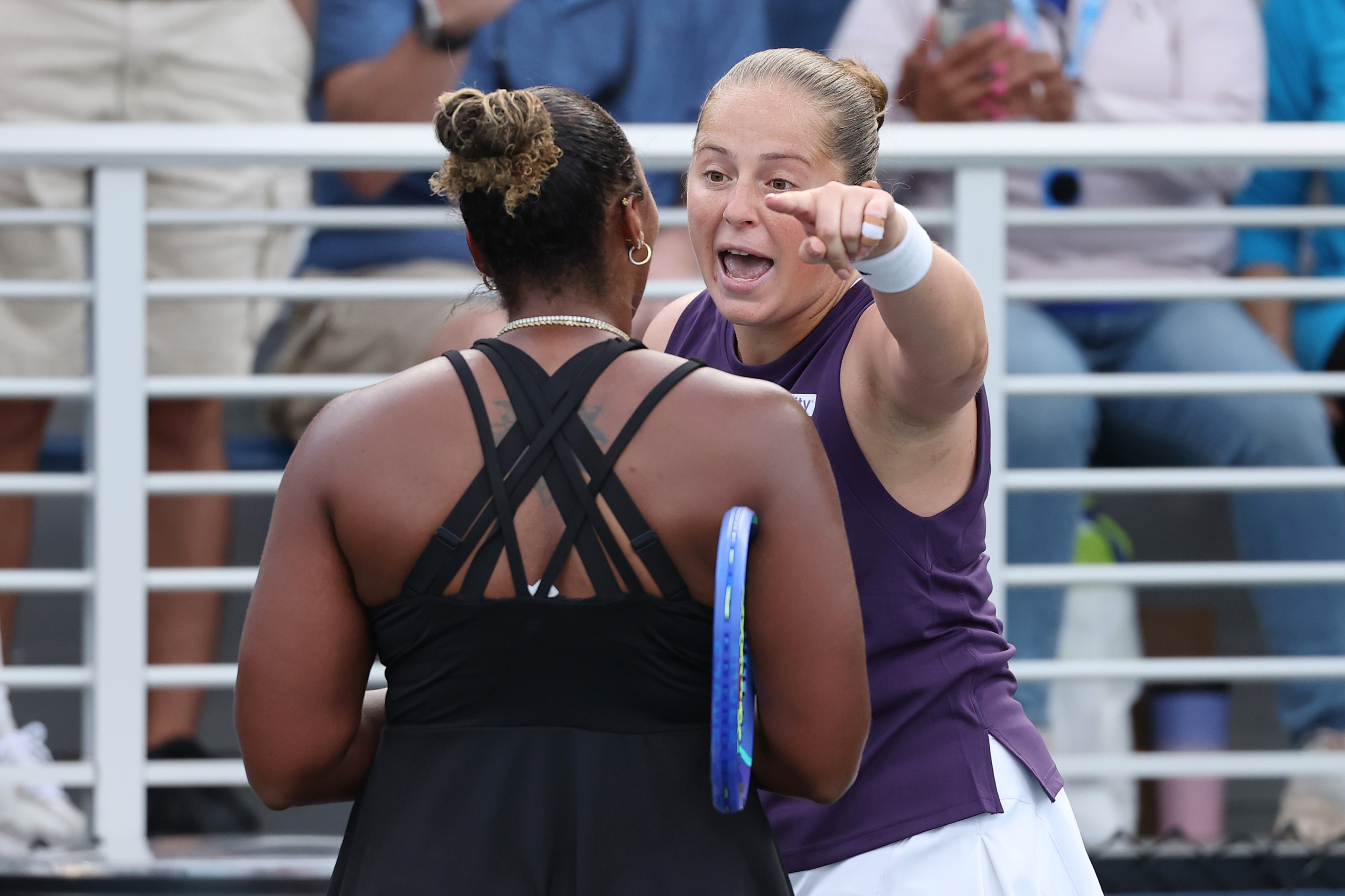
This imbalance became especially visible in recent years. Last summ
