The microRNA inhibitor CDR132L in patients with reduced left ventricular ejection fraction after myocardial infarction: a randomized phase 2 trial
The window following a myocardial infarction is a critical period of vulnerability where the heart attempts to heal, but often triggers a cascade of maladaptive changes known as adverse remodeling. The hope was that by targeting the genetic drivers of this process, we could halt the progression toward chronic heart failure. However, the latest data on the microRNA inhibitor CDR132L suggests that the path to genetic intervention in cardiac recovery is more complex than initially anticipated.
Key Clinical Takeaways:
- The phase 2 HF-REVERT trial found that CDR132L did not significantly improve left ventricular structure or function compared to placebo.
- The drug was well tolerated across all dosage groups, showing no significant signals of hepatic, renal, or cardiac toxicity.
- Exploratory data suggest the therapy may be more effective in a specific subset of patients with advanced adverse remodeling at baseline.
Myocardial infarction triggers a devastating biological sequence: the loss of cardiomyocytes leads to ventricular dilatation, hypertrophy, and fibrosis. This pathogenesis transforms a localized injury into a systemic failure of the pump, significantly increasing patient morbidity. The clinical objective has long been to identify a molecular “off switch” for this remodeling. Enter miR-132, a microRNA that acts as a central regulator of these adverse changes. By using CDR132L—a synthetic antisense oligonucleotide designed to inhibit miR-132—researchers aimed to prevent the heart from stretching and weakening in the wake of an acute event.
For patients who have already experienced a significant drop in ejection fraction, the priority shifts toward stabilizing the ventricle. When standard guideline-directed medical therapy is insufficient, patients often require the oversight of board-certified cardiologists who can manage the delicate balance of neurohormonal blockade and hemodynamic support.
The HF-REVERT Trial: Design and Execution
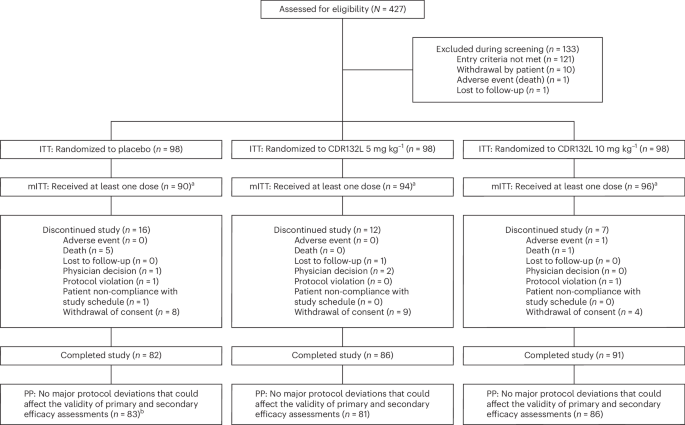
The study, published in Nature Medicine on May 10, 2026, and presented at the ESC Heart Failure Congress, utilized a rigorous double-blind, placebo-controlled framework. The trial enrolled patients within a narrow 3-to-14-day window following their myocardial infarction, specifically targeting those with reduced left ventricular ejection fraction (LVEF). The modified intention-to-treat population consisted of 280 patients, comprising 245 men and 35 women.

The intervention involved three intravenous doses administered at four-week intervals, layered on top of the existing standard of care. This design was intended to isolate the effect of the antisense oligonucleotide from the benefits of reperfusion strategies and traditional pharmaceutical interventions.
| Trial Cohort | Dosage (IV) | Primary Endpoint (LVESVI Change) | Safety/Toxicity Profile |
|---|---|---|---|
| Placebo Group | 0 mg/kg | Improved (Baseline) | No significant adverse events |
| CDR132L Low Dose | 5 mg/kg | No significant difference vs Placebo | Well tolerated; no organ toxicity |
| CDR132L High Dose | 10 mg/kg | No significant difference vs Placebo | Well tolerated; no organ toxicity |
Analyzing the Clinical Gap: Why the Primary Endpoint Failed
The primary endpoint of the HF-REVERT trial was the percentage change in the left ventricular end-systolic volume index (LVESVI) at six months. LVESVI is a critical metric; a rising index indicates that the heart is dilating, which is a primary precursor to heart failure. While all groups showed some improvement—likely due to the high standard of guideline-directed therapy—there was no statistically significant divergence between the CDR132L groups and the placebo group.

Secondary endpoints, including global longitudinal strain, LVEF, and N-terminal pro B-type natriuretic peptide (NT-proBNP), similarly failed to show a significant treatment effect. This outcome highlights a recurring challenge in RNA-based therapeutics: the timing of the intervention and the heterogeneity of the patient response.

“The lack of a primary endpoint hit does not necessarily signal the failure of miR-132 as a target, but rather suggests that the therapeutic window or the patient selection criteria may need refinement to capture those most susceptible to antisense intervention.”
The study’s funding and development, industry-sponsored to push the boundaries of antisense technology, underscore the high-risk, high-reward nature of genomic medicine. While the broad population did not respond, prespecified exploratory analyses revealed a signal of potential benefit in patients who exhibited more advanced adverse remodeling at the start of the trial. This suggests that the drug might be more effective as a rescue therapy for those already sliding toward heart failure rather than as a preventative measure for all post-MI patients.
Navigating the Transition to Chronic Care
The failure of a phase 2 trial to meet its primary endpoint often prompts a pivot in clinical strategy. For the medical community, this emphasizes the necessity of precise diagnostics. Identifying which patients fall into the “advanced remodeling” category requires high-resolution imaging and longitudinal tracking. Patients struggling with these transitions are encouraged to seek care at specialized heart failure clinics that offer multidisciplinary support, including nutrition, rehabilitation, and advanced pharmacotherapy.
the safety profile of CDR132L is a notable victory. The absence of hepatic, renal, or hematologic toxicity signals proves that antisense oligonucleotides can be delivered systemically in high doses without the severe contraindications that plagued earlier generations of genetic therapies. This safety data provides a foundation for future trials targeting chronic heart failure conditions, where long-term dosing is required.
To accurately monitor the structural changes mentioned in the HF-REVERT trial, such as LVESVI and global longitudinal strain, patients must have access to advanced cardiac imaging centers capable of performing high-fidelity echocardiography and cardiac MRI.
The Trajectory of RNA Therapeutics in Cardiology
The results of the CDR132L trial contribute to a growing body of evidence regarding the role of microRNAs in cardiac pathogenesis. While the HF-REVERT trial did not provide the “miracle” stabilization hoped for, it refined our understanding of the miR-132 pathway. The move toward personalized medicine suggests that future trials will likely use biomarkers to pre-select patients whose genetic profile makes them more likely to respond to miR-132 inhibition.
As we look toward the next generation of cardiovascular medicine, the integration of RNA interference and antisense oligonucleotides will likely move away from “one size fits all” applications. The focus will shift toward precision timing—intervening exactly when the molecular switch for remodeling is flipped. For now, the standard of care remains the bedrock of treatment, but the safety of CDR132L keeps the door open for a more tailored genetic approach to heart recovery.
For those navigating the complexities of post-MI recovery or managing chronic heart failure, the most effective path forward remains a partnership with vetted, highly specialized providers who can integrate these emerging scientific insights into a practical, individualized care plan.
Disclaimer: The information provided in this article is for educational and scientific communication purposes only and does not constitute medical advice. Always consult with a qualified healthcare provider regarding any medical condition, diagnosis, or treatment plan.