Fructose May Drive Cancer Spread and Metastasis After Chemotherapy
Cellular Alterations Post-Chemotherapy
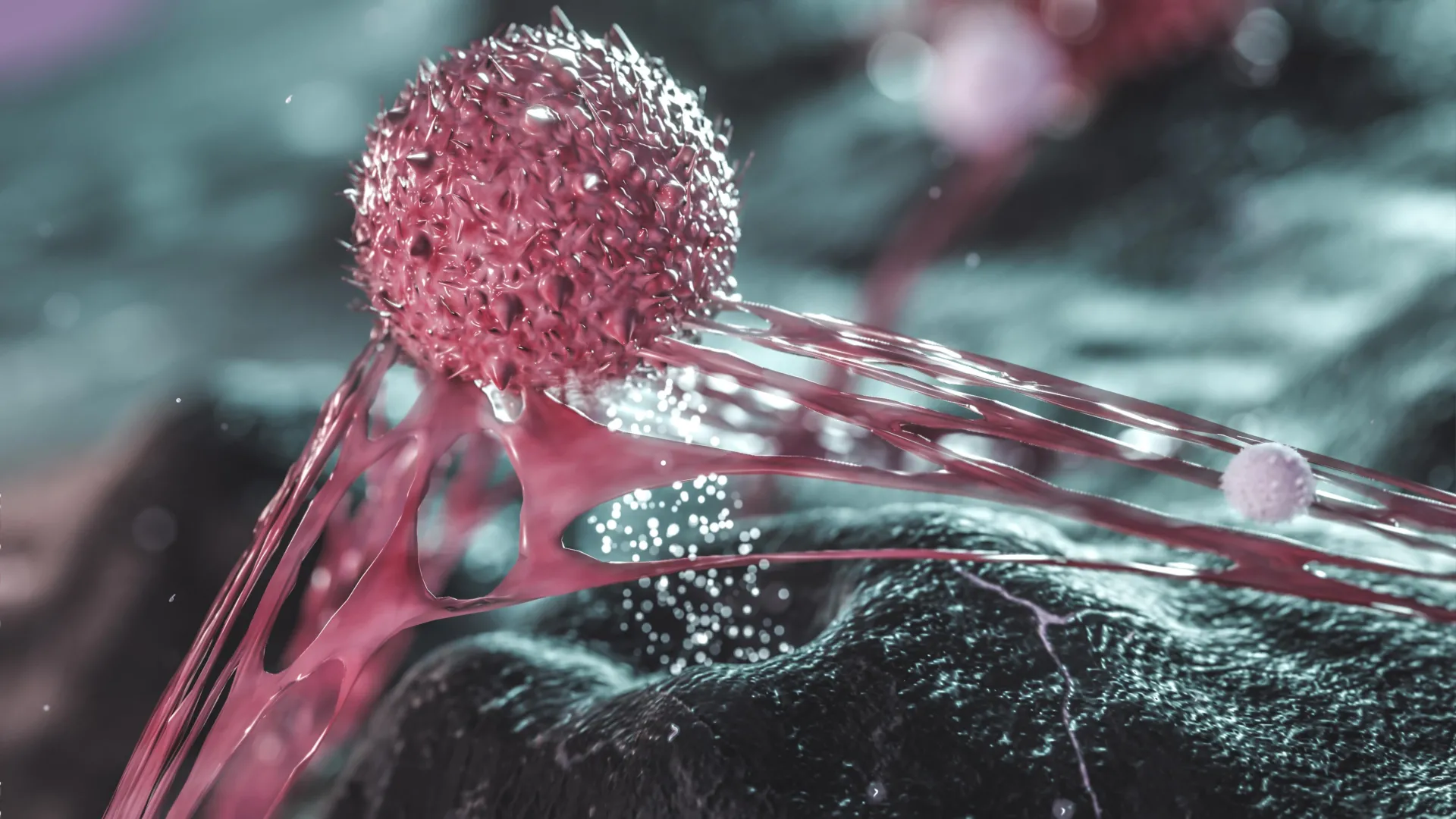
New scientific findings indicate that a common dietary sugar may accelerate the metastatic spread of ovarian cancer following chemotherapy by triggering metabolic changes that help malignant cells break away from primary tumors. Published in the peer-reviewed journal Nature, the research outlines how chemotherapy-induced senescence alters cellular behavior, creating pathways for cancer dissemination.
- Fructose metabolism can drive cancer cell detachment and metastatic spread following chemotherapy treatment.
- The study identified the chemotherapy-induced senescence-associated secretome as a key driver of metabolic reprogramming in tumor cells.
How Tumors Adapt to Aggressive Interventions
The investigation centers on how tumors adapt and survive aggressive interventions such as chemotherapy. According to data detailed in Nature, specific metabolic shifts allow cancer cells to overcome normal adhesion barriers. When tissues undergo chemotherapy-induced senescence, the surrounding cellular environment secretes factors that alter local metabolism. In this altered state, the presence of fructose can facilitate cell detachment, enabling malignant cells to migrate through extracellular matrices and establish secondary tumors in distant tissues.
Monitoring Metabolic Markers in Modern Oncology
Designing Post-Chemotherapy Dietary Regimens
Bridging Cytotoxic Therapies and Anti-Metastatic Agents
*Disclaimer: The information provided in this article is for educational and scientific communication purposes only and does not constitute medical advice. Always consult with a qualified healthcare provider regarding any medical condition, diagnosis, or treatment plan.*