
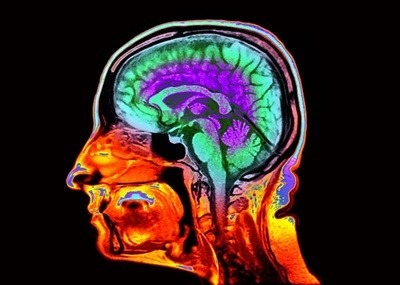
Creative Pursuits Linked to Younger Brains, Study Finds
engaging in creative activities may help maintain “neurological youth,” according to research published on October 3rd in Nature Communications1.The study reveals that participation in hobbies like tango,music,visual arts,and video games is associated with increased connections across different brain areas,notably in regions vulnerable to age-related decline.
Researchers, led by neuroscientist Agustín Ibáñez at Adolfo Ibáñez University in Santiago, Chile, aimed to investigate the biological basis for the observed brain benefits of creative engagement. ”There is really poor mechanistic evidence,” Ibáñez stated, highlighting the need for a deeper understanding of how these activities impact the brain.
To address this, the team developed ”brain clocks” using neuroimaging data from 1,240 participants across ten countries. These machine-learning models estimated brain age based on functional connectivity – how different brain regions communicate. They then applied these clocks to 232 individuals involved in creative pursuits, calculating a “brain age gap” by comparing predicted brain age to chronological age.
the results showed that all four creative activities appeared to slow brain ageing. The degree of benefit correlated with skill and experience; more proficient participants exhibited slower brain ageing. Expert tango dancers showed the most significant effect, with brains averaging seven years younger than their actual age. ibáñez explained that tango’s complex combination of movement, coordination, and planning makes it particularly effective for maintaining brain health.
Further analysis revealed that creativity had the greatest impact on the frontoparietal region of the brain, an area crucial for functions like working memory and decision-making, and one of the most susceptible to age-related decline. Experienced participants demonstrated stronger brain connections in areas related to movement control, coordination, and rhythm.
Reference:
1 The findings were published on 3 October in Nature communications.
