
The advertising landscape of Super Bowl LX, played in Santa Clara, California, saw a significant clash between artificial intelligence companies, with Anthropic emerging as a perceived victor, according to marketing experts. The cost of a 30-second advertisement during the game ranged between $8 million and $10 million.
Autodesk CMO Dara Treseder identified Anthropic, Rocket Mortgage, and Pepsi as standout winners in the advertising battle, while noting a trend of insincere celebrity endorsements. “The only winners this year from a celebrity standpoint were the celebrities who got paid,” Treseder stated, adding that over $250 million was spent on celebrity placements, a quarter of a billion dollars, often without genuine brand alignment.
OpenAI’s Super Bowl ad, promoting its Codex coding product, drew mixed reactions. Adweek reported that creative leaders found the ad, titled “You Can Build Things,” to be a “manifesto” that lacked creative ambition given the scale of the Super Bowl stage. Sylvain Tron, managing director at CYLNDR Studios, observed that watching the OpenAI and Anthropic ads side-by-side revealed “highly different instincts about what this moment is for.”
The ad, which traced a person’s journey through science and coding, was criticized by Debra Aho Williamson, founder and chief analyst at Sonata Insights, who described it as a “head scratcher” and noted that it failed to capture the attention of viewers. Pat Laughlin, chief creative officer at Laughlin Constable, offered a more positive assessment, praising the ad’s craftsmanship and its message of AI as a creative tool.
Anthropic’s ads, in contrast, directly targeted OpenAI and its ChatGPT platform, sparking a response from OpenAI President Greg Brockman, who emphasized a “fundamental difference in our outlooks on AI.” According to the Times of India, Brockman characterized OpenAI’s approach as positive, while framing Anthropic’s as negative.
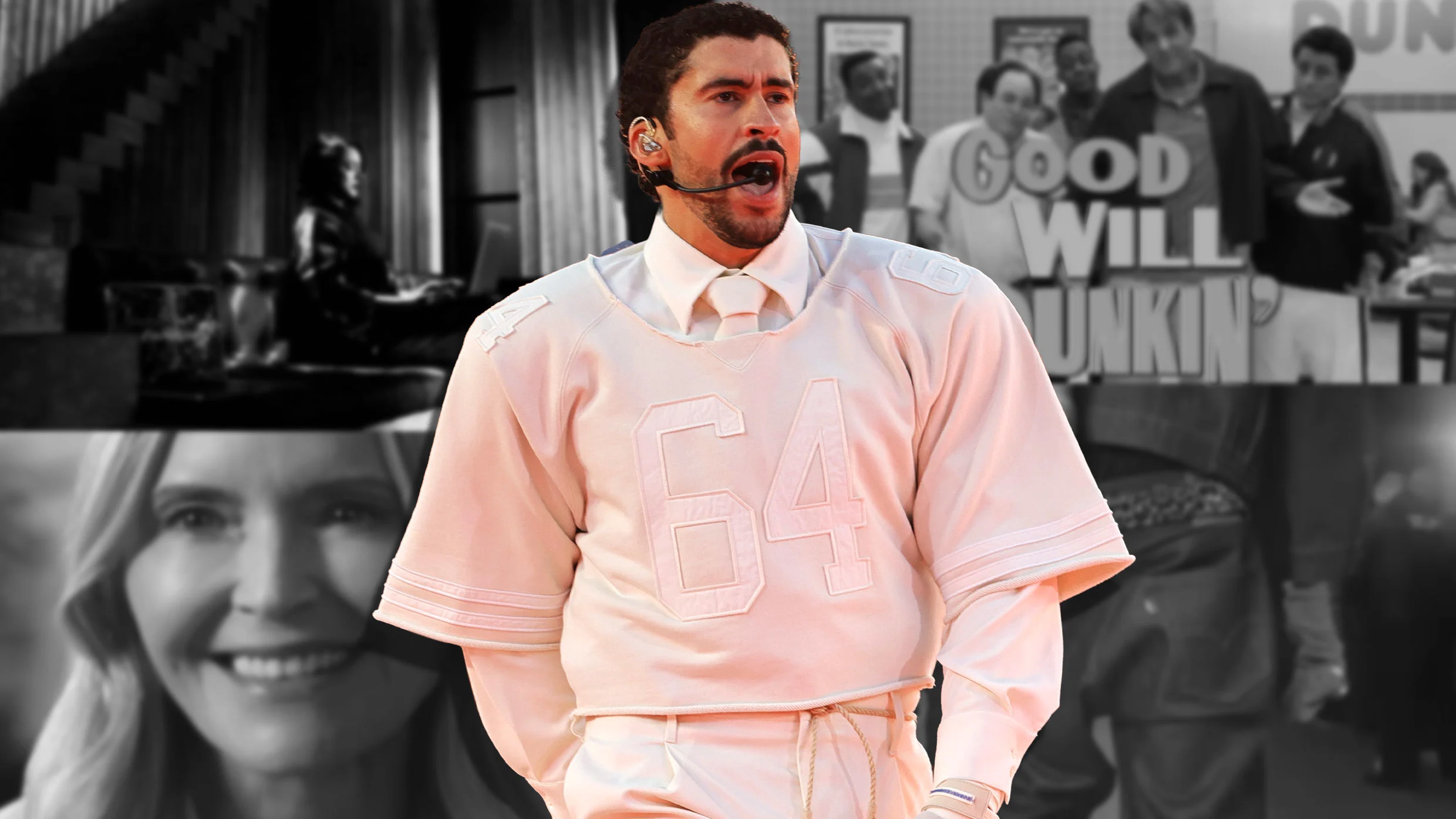
Beyond the AI competition, Rocket Mortgage featured Lady Gaga in a 60-second commercial, and Pepsi also delivered a well-received ad. Dunkin’s “Great Will Dunkin’” spot, starring Ben Affleck, was praised for its sincerity, a quality Treseder found lacking in many other celebrity-driven campaigns.
The Super Bowl LX halftime show, featuring Bad Bunny, also drew attention to its potential business impact for both the NFL and Apple, though specific details of that impact were not immediately available.
