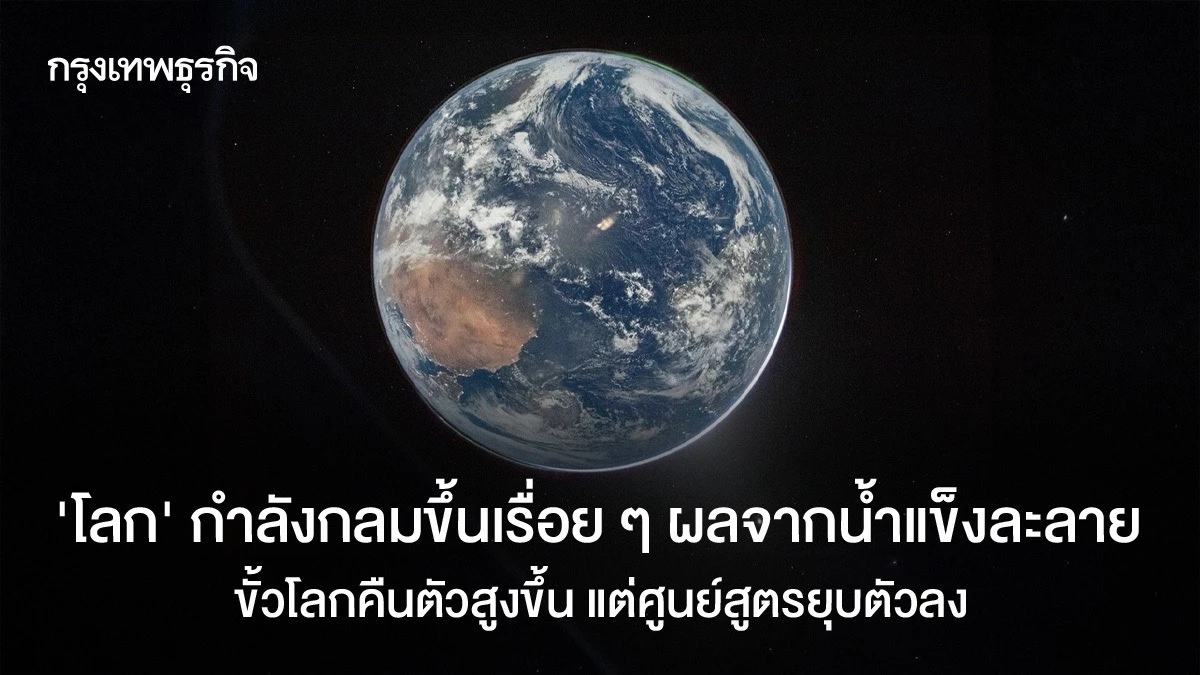
Study: Melting Polar Ice Is Making the Solid Earth Rounder
Rapid melting of polar ice sheets caused by human-induced climate change is altering the physical shape of the solid Earth, making the planet increasingly rounder, according to a study published in the journal JGR Solid Earth. The study utilized vertical velocity data gathered from Global Navigation Satellite System (GNSS) receivers to measure shifts in the height of the Earth’s crust across the globe.
Melting Ice Causes Polar Crust to Rise
The phenomenon stems from the reduction of massive ice loads in Greenland and Antarctica. As glacial ice melts, the weight pressing down on the polar crust decreases, allowing the underlying solid rock to slowly rebound and rise.
Conversely, the melted water flows toward lower latitudes and the equator. This influx of mass creates new pressure on the ocean floor and equatorial landmasses, causing the crust near the equator to subside and flatten out.
Between 2011 and 2018, measurements showed polar regions rising at a rate of 0.5 to 1 millimeter per year. Solid rock near the equator shrank at a comparable rate during the same period, reducing the planet’s equatorial bulge.
The acceleration of this rounding process is increasing. The study found that every decade, the polar uplift rate speeds up by roughly 0.4 millimeters per year compared to baseline records from 1997 to 2000.

Global Mass Redistribution
“These findings are important because they help scientists understand how the planet responds to glacier melting and water redistribution,” Kotsakis said, noting that such insights are necessary for tracking long-term climate impacts. While the solid Earth is becoming rounder, the inclusion of ocean water changes the overall calculation. When total ocean mass is factored in, the planet as a whole actually increases in flatness by about 0.8 millimeters per year because water accumulates and bulges more heavily around the equator.