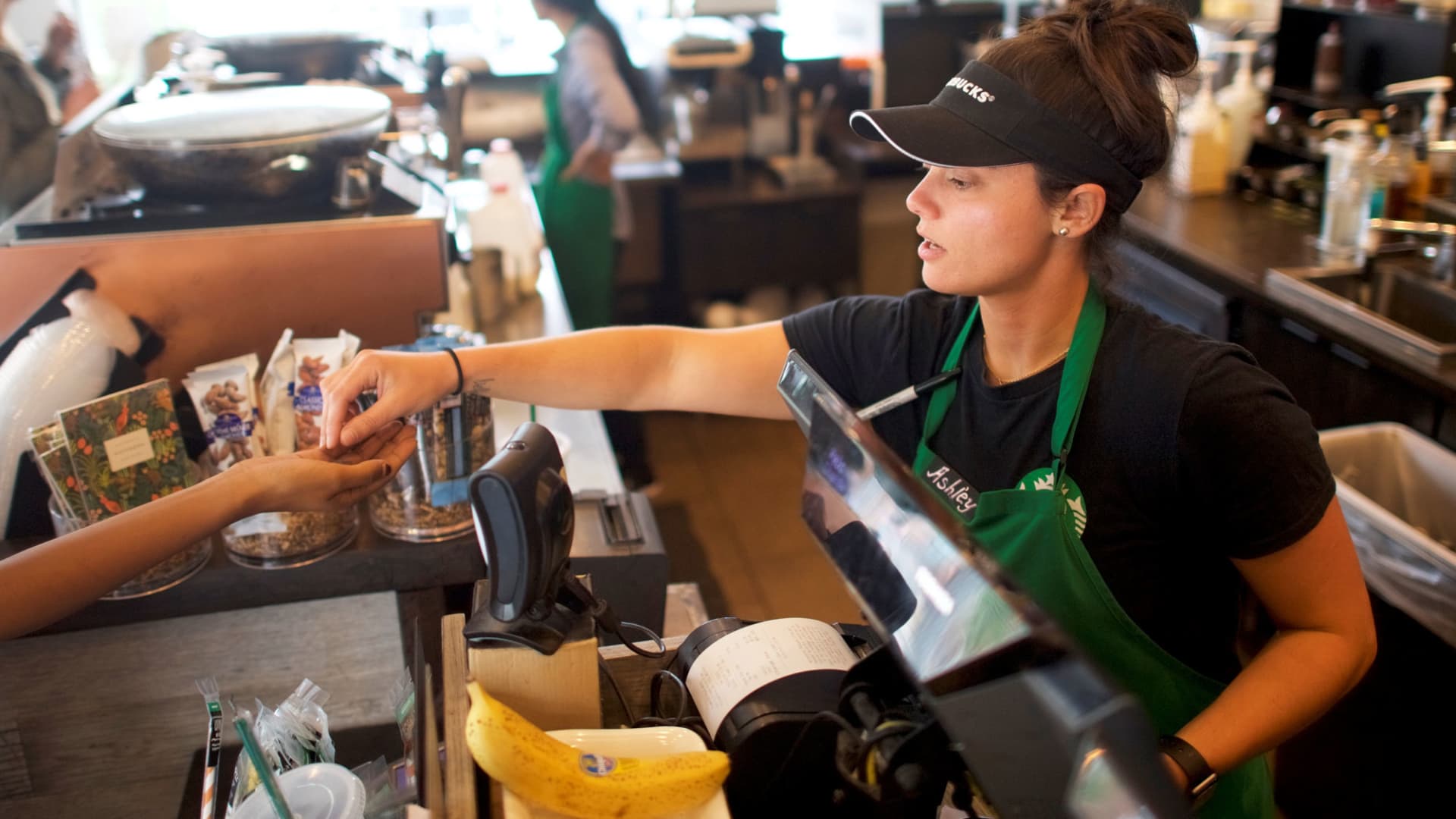
Starbucks Turnaround: Enhancing Customer and Employee Experience
Starbucks is deploying a $500 million turnaround strategy under CEO Brian Niccol, introducing $1,200 annual bonuses and expanded mobile tipping for U.S. Hourly workers. The “Back to Starbucks” initiative aims to boost customer service and operational performance, potentially increasing eligible employee earnings by 5% to 8% starting July 2026.
The fiscal challenge facing the $103 billion coffee giant is not a lack of demand, but a degradation of the operational “third place” experience. When store-level execution falters, the brand equity erodes, leading to friction that only high-level operational efficiency consultants can typically resolve through systemic auditing. By tying financial rewards directly to store performance, Niccol is attempting to solve a cultural problem with a capital allocation solution.
The Niccol Mandate: Reclaiming the Coffeehouse Experience
The appointment of Brian Niccol was not a mere leadership change; it was a signal to the markets that Starbucks had reached a breaking point. The company required a leader with a specific pedigree in brand management and operational rigor to arrest a slide in customer satisfaction.
“I recognized these challenges had culminated in a critical moment in Starbucks history — and underscored the urgent need for a turnaround led by someone with deep brand, customer service and operations experience,” stated former board chair Mellody Hobson.
Niccol’s “Back to Starbucks” plan is designed to strip away the complexities that have bogged down the barista experience and alienated the customer. The strategy recognizes that the front-line worker is the primary driver of the customer experience. If the barista is disengaged or overwhelmed, the brand’s premium pricing becomes unjustifiable to the consumer.
The market has already begun to react to this pivot. Recent data shows U.S. Sales rose 4% in Q1, with record growth in the loyalty program. This suggests that the “Back to Starbucks” narrative is gaining traction with the shareholder base, even as the company navigates the headwinds of labor unrest.
Engineering Incentive Alignment: The $500 Million Bet
The centerpiece of the current rollout is a sophisticated incentive structure designed to align worker behavior with corporate KPIs. Starting this July, U.S. Hourly workers, including shift supervisors and baristas, will be eligible for quarterly bonuses of up to $300. This creates a potential $1,200 annual windfall per employee.
These payouts are not guaranteed. They are contingent upon stores meeting or exceeding specific sales, operational and customer service goals. This shift transforms the barista role from a fixed-cost labor expense into a performance-driven asset. By gamifying store performance, Starbucks is attempting to drive organic improvements in speed of service and order accuracy.
Executing this level of granular, performance-based compensation across thousands of locations is a logistical nightmare. Many firms in this position are forced to upgrade to enterprise payroll automation services to ensure that quarterly payouts are accurate and transparent, avoiding the administrative bloat that often kills the ROI of such incentive programs.
Starbucks estimates that these bonuses and expanded tipping will boost eligible employee earnings by 5% to 8%. With average pay and benefits already exceeding $30 an hour, the company is doubling down on a high-wage, high-performance model.
Solving the Labor Liquidity Gap
Beyond the bonuses, the company is attacking the “friction” of employee compensation. The move to weekly payouts—shifting away from the traditional twice-a-month schedule—is a calculated move to improve labor liquidity. For hourly workers, the timing of cash flow is often as important as the amount.

This transition to weekly pay requires a robust backend infrastructure. Companies implementing such shifts often partner with payroll management systems to handle the increased frequency of transactions without increasing the burden on corporate accounting.
The tipping expansion addresses a long-standing gap in the digital customer journey. Previously, tipping was largely restricted to in-store or drive-thru transactions paid via cash, credit, or Starbucks cards. The new policy, rolling out this summer, expands this to credit card payments for mobile orders and scanning at the register.
“The new incentive rewards program recognizes partners for the progress they make possible,” the company stated in its official announcement.
This is a strategic move to capture the “digital tip.” As more customers migrate to mobile ordering, the inability to tip easily via the app created a disconnect between the customer’s desire to reward service and the actual payout to the barista. By removing this friction, Starbucks is effectively outsourcing a portion of its labor cost increase to the customer base, while simultaneously improving employee morale.
The Macro Outlook: Performance vs. Noise
The $500 million investment in this turnaround is a bold play to drown out the noise of union strikes and operational decay. The logic is simple: a well-paid, incentivized workforce is less likely to seek external representation and more likely to deliver the premium experience that justifies Starbucks’ market position.
The company’s bet is that the cost of these bonuses will be offset by the gains in coffeehouse performance. If the “Back to Starbucks” plan successfully increases throughput and customer retention, the marginal cost of the $1,200 bonus becomes a negligible expense compared to the revenue growth generated by a more efficient store footprint.
The first quarterly payouts will hit this fall, providing the first real litmus test for whether financial incentives can truly reshape the culture of a global behemoth. If the sales growth seen in Q1 continues to climb alongside these operational improvements, Niccol will have provided a blueprint for brand resuscitation in the quick-service restaurant sector.
As Starbucks navigates this high-stakes pivot, the broader corporate landscape is watching closely. The ability to align front-line incentives with C-suite goals is the defining challenge of modern retail. For enterprises struggling with similar operational friction or labor misalignment, finding vetted human capital management firms is no longer optional—We see a prerequisite for survival. The World Today News Directory remains the premier resource for connecting global brands with the B2B partners capable of executing these complex corporate turnarounds.