
The Evolving Science of Speed Limits: A Road to Safer Streets?
Table of Contents
- The Evolving Science of Speed Limits: A Road to Safer Streets?
- A Resident’s Decades-Long Fight
- The 85th Percentile Rule: A Historical Viewpoint
- Shifting Tides and the Rise of “City Limits”
- Federal Guidance Evolves
- State and Local Initiatives
- The Impact of Higher Speeds
- Looking Ahead: The Future of Speed Limit Regulation
- Frequently Asked Questions About Speed Limits
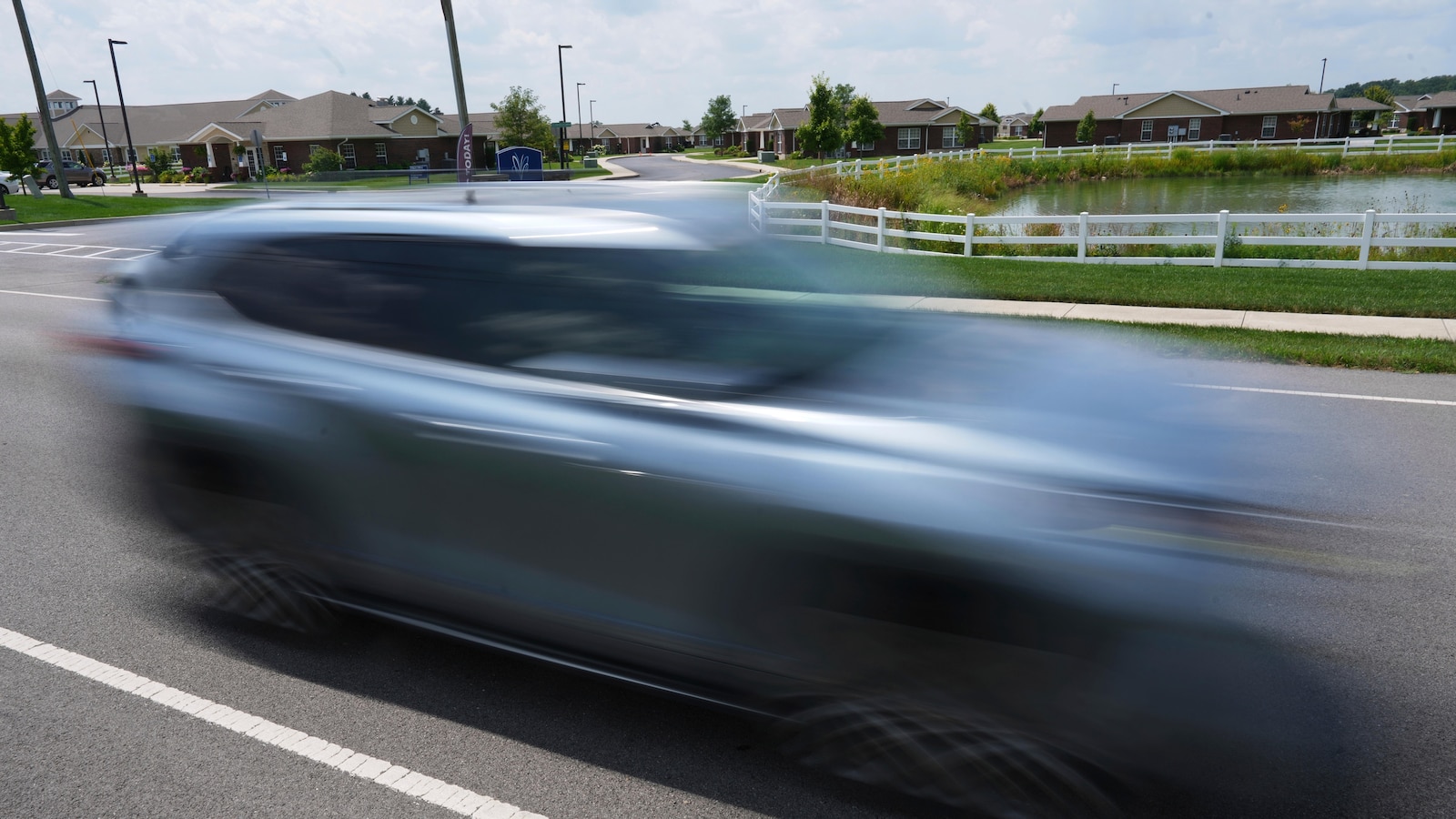
sylvania township, Ohio, is at the center of a growing national debate over how speed limits are set, as officials grapple with a surprising proposal: raising the limit on a busy stretch of Mitchaw Road. The controversy highlights a decades-old practice rooted in 1930s and 1940s research, now facing scrutiny amid rising traffic fatalities and evolving safety standards.
A Resident’s Decades-Long Fight
Eighty-five-year-old Rose Hammond has spent years urging local authorities to reduce the 55 mph speed limit on Mitchaw Road, which runs past an assisted living facility, churches, schools, and a popular youth sports park. “What are you waiting for, somebody to get killed?” Hammond reportedly asked officials, expressing frustration over frequent speeding motorcycles. her concerns sparked a review in March, leading to the unexpected finding that the current limit is actually 5 mph too low, according to the prevailing methodology.
The 85th Percentile Rule: A Historical Viewpoint
The current system for setting speed limits largely relies on the “85% rule,” developed from studies of rural roads decades ago.This rule posits that a safe speed limit is tied to the speed at which 85% of drivers are already traveling. Specifically, it suggests setting the limit at the 15th-fastest vehicle’s speed out of 100 observed, rounded to the nearest 5 mph increment. This approach assumes drivers intuitively choose a safe speed, and that raising the limit to match prevailing speeds will improve traffic flow and reduce accidents.
Did You Know?
The 85th percentile rule originated from the work of transportation engineers in the mid-20th century, who believed drivers were the best judges of safe speeds on roadways.
Shifting Tides and the Rise of “City Limits”
However, the 85% rule is increasingly challenged as outdated for modern urban and suburban environments. The National Association of City Transportation Officials (NACTO) has proposed an alternative, “city Limits,” which prioritizes minimizing injury risk for all road users. This method factors in street activity, potential conflicts, and collision likelihood to determine a more appropriate speed limit. Jenny O’Connell, NACTO’s director of member programs, explains that the 85% rule can create a dangerous feedback loop: “People speed, and then the speed limits will be ratcheted up to match that speed.”
Federal Guidance Evolves
recognizing the limitations of the 85% rule, the Federal Highway Administration (FHWA) recently clarified its guidance. In its first update to the Manual on Uniform Traffic Control Devices as 2009, the FHWA emphasized that communities should consider factors beyond speed data, such as road usage, pedestrian safety, and crash frequency. This shift signals a move away from a rigid adherence to the 85% rule and towards a more holistic approach to speed limit setting.
Key Dates and Developments in Speed Limit Policy
| Year | event |
|---|---|
| 1970s | Congress sets a national maximum speed limit of 55 mph due to oil prices. |
| 1995 | Federal speed limit law is repealed, authority reverts to states. |
| 2009 | Last major update to the FHWA’s Manual on Uniform Traffic Control Devices. |
| 2024 | FHWA clarifies guidance, de-emphasizing the 85% rule. |
Leah Shahum, director of the Vision Zero Network, a street safety advocacy group, acknowledges the FHWA’s change as a positive step but believes further action is needed. “The 85th percentile should not be the Holy Grail or the Bible, and yet over and over again it is accepted as that,” Shahum stated.
State and Local Initiatives
Several states and cities are already experimenting with lower speed limits. Madison, Wisconsin, is lowering limits to 20 mph on residential streets under its “20 is Plenty” campaign. Seattle saw a 7% reduction in 85th percentile speeds and a decline in serious injury crashes after implementing a similar pilot programme. California allows local governments some flexibility to deviate from the 85% rule if thay can demonstrate a safety need, though advocates argue this isn’t enough.
Pro Tip:
When advocating for speed limit changes, focus on data related to pedestrian and cyclist safety, as these are increasingly prioritized by transportation officials.
However,some resist change. Jay Beeber, executive director for policy at the National Motorists Association, argues that adhering to the 85% rule minimizes speed variance and is therefore the safest approach. “It doesn’t really matter what number you put on a sign,” Beeber said. “The average driver drives the nature of the roadway.”
The Impact of Higher Speeds
A 2019 study by the Insurance Institute for Highway Safety (IIHS) underscored the risks of higher speed limits, finding that each 5 mph increase raises the risk of fatalities by 8.5% on interstates and 2.8% on other roads (IIHS,2019). Chuck Farmer, the IIHS vice president for research, noted that modern vehicles can create a false sense of security, making drivers less aware of their actual speed.
back in Sylvania Township, the future of Mitchaw Road’s speed limit remains uncertain.While the county’s recommendation to raise the limit surprised local leaders, Ohio law sets maximum speeds for different road types, regardless of the 85% rule. The state is also exploring modifications to its guidelines, considering roadway context and pedestrian safety. Will these changes ultimately lead to a safer Mitchaw Road? Only time will tell.
Looking Ahead: The Future of Speed Limit Regulation
The debate over speed limits is likely to continue as communities grapple with balancing traffic flow, safety, and the evolving needs of road users. Expect to see increased adoption of “City Limits” and similar approaches that prioritize vulnerable road users. Technological advancements, such as clever speed adaptation systems, may also play a role in the future of speed management.The trend is clearly shifting towards a more nuanced and data-driven approach to setting speed limits, moving beyond the limitations of the decades-old 85% rule.
Frequently Asked Questions About Speed Limits
- What is the 85th percentile rule? It’s a method for setting speed limits based on the speed at which 85% of drivers are already traveling.
- Why is the 85th percentile rule being questioned? It’s considered outdated for modern urban and suburban environments and doesn’t adequately prioritize pedestrian and cyclist safety.
- What is “City Limits”? It’s an alternative approach to setting speed limits that focuses on minimizing injury risk for all road users.
- Is the 85th percentile rule still used? Yes, but its influence is waning as states and cities adopt more complete approaches.
- What role does the FHWA play in setting speed limits? The FHWA provides guidance and sets standards, but ultimately, states have the authority to set their own speed limits.
do you think your local speed limits accurately reflect the needs of your community? What changes woudl you like to see?
We hope this article has provided valuable insight into the complex world of speed limit regulation. Please share this article with your friends and family, and join the conversation in the comments below! Don’t forget to subscribe to our newsletter for more in-depth reporting on transportation and safety issues.
