
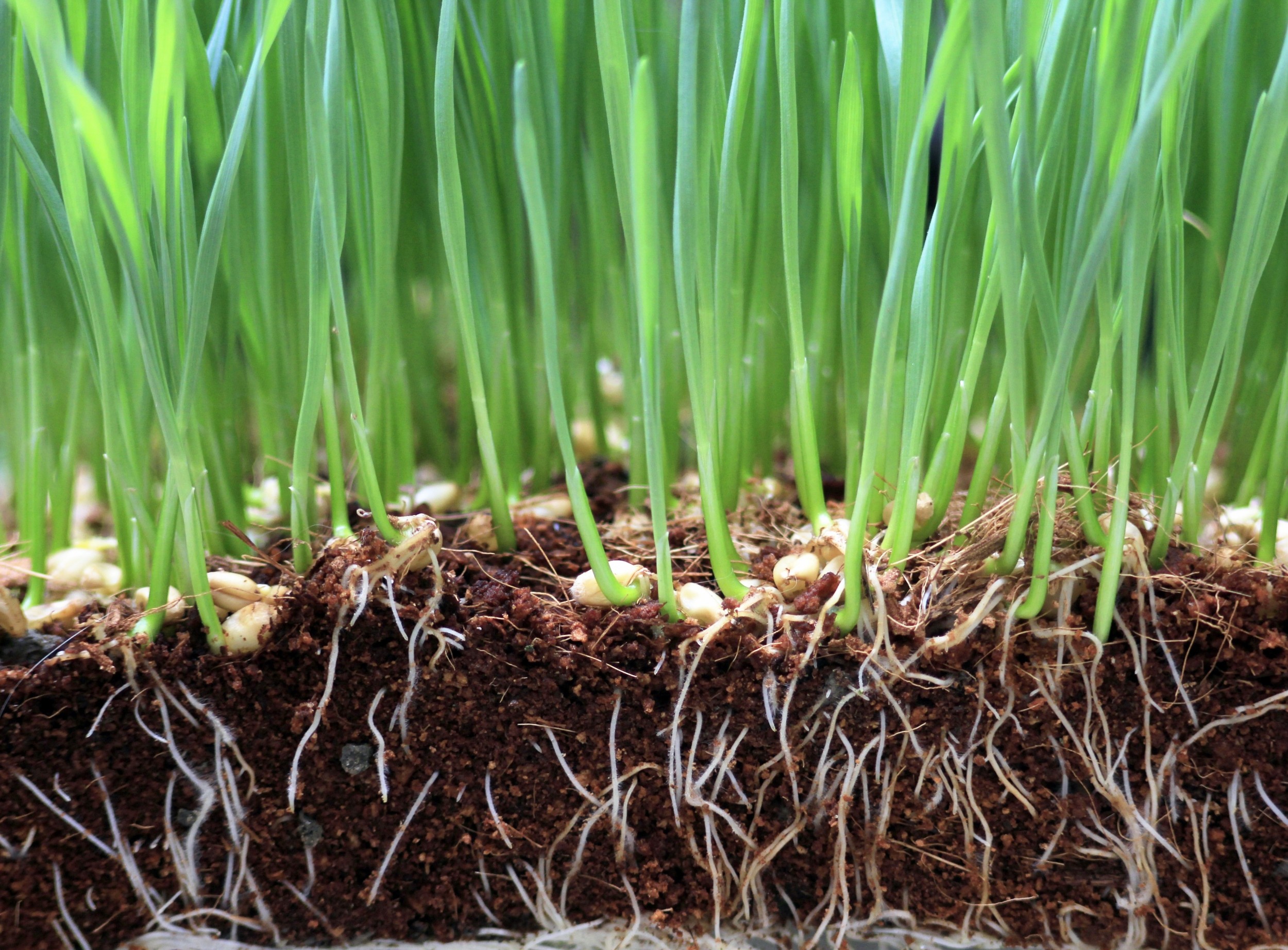
The silent competition between wheat plants and soil microbes for nitrogen, a crucial nutrient for growth, is significantly influenced by soil acidity, according to new research published in the journal Nitrogen Cycling. The study reveals that soil pH fundamentally alters how wheat acquires nitrogen and how intensely microbes compete for it, offering potential strategies for more efficient and sustainable fertilization.
For over a century, farmers have relied on nitrogen-based fertilizers to boost crop yields. Without sufficient nitrogen, wheat plants struggle to thrive, resulting in stunted growth and reduced harvests. However, the effectiveness of these fertilizers is often hampered by the complex interactions within the soil ecosystem. Billions of microbes inhabit the soil, also requiring nitrogen for their survival, creating a competition with the plants for this vital resource.
Researchers at Sichuan Agricultural University conducted a controlled laboratory experiment, growing wheat in both acidic and calcareous (alkaline) soils. Utilizing nitrogen isotopes, they meticulously tracked the movement of fertilizer nitrogen, quantifying its uptake by both the wheat plants and the surrounding soil microbes. Their findings demonstrated that wheat absorbed nitrogen more efficiently in calcareous soil compared to acidic soil.
“Our results show that soil pH fundamentally changes how wheat acquires nitrogen and how strongly microbes compete with plants for this vital nutrient,” said Ting Lan, the study’s corresponding author. “Understanding these interactions is essential for developing more efficient and sustainable fertilization strategies.”
The difference in nitrogen uptake stems from the differing chemical processes occurring in each soil type. Calcareous soil exhibited higher nitrification rates, meaning more ammonium was converted into nitrate, the form of nitrogen most readily absorbed by wheat. In contrast, acidic soils fostered conditions that allowed microbes to retain nitrogen more effectively, intensifying the competition with the wheat plants.
The study found that microbes initially dominated nitrogen uptake immediately after fertilizer application in both soil types, demonstrating a rapid response and short-term advantage. However, within 48 hours, wheat plants surpassed microbial nitrogen uptake, recovering more nitrogen over time. Despite this recovery, microbial nitrogen assimilation remained significantly higher in acidic soil, indicating a more persistent competitive pressure under lower pH conditions.
These findings suggest that managing soil pH could be a crucial tool for optimizing nitrogen fertilizer employ. Adjusting soil acidity through practices like liming could facilitate balance microbial activity and crop uptake, potentially reducing fertilizer waste and minimizing environmental pollution. According to the Food and Agriculture Organization of the United Nations (FAO), optimizing nitrogen use is particularly important in regions like the Mediterranean, where low wheat yields are common and could be substantially boosted with improved nutrient management.
Inefficient nitrogen fertilizer use is a global concern, with significant portions lost to waterways or released into the atmosphere as greenhouse gases. A 2025 report from UC Davis highlighted the environmental and economic benefits of reducing fertilizer reliance, noting that in developing countries like those in Africa, fertilizer costs can be prohibitive for smallholder farmers.
The research underscores the dynamic nature of soil biology, emphasizing that plant roots and microbes respond quickly to changes in nutrient availability. This understanding allows scientists and farmers to move towards fertilization practices that work in harmony with the soil ecosystem, rather than against it. Germany currently employs stringent nitrogen regulations through designated “red areas” under its Fertilizer Ordinance, demonstrating a growing awareness of the need for careful nitrogen management.
