
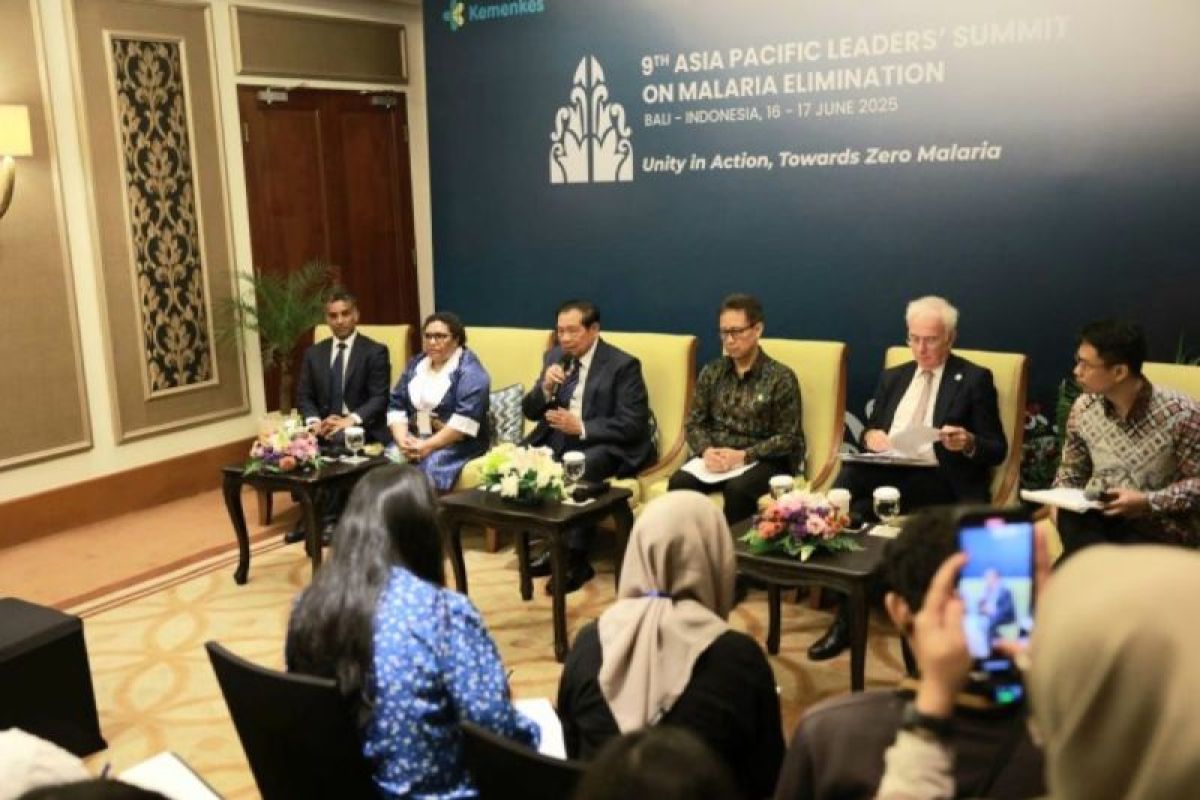
Indonesia Rallies Asia-Pacific to eliminate Malaria by 2030
Indonesia's malaria elimination goals, as the nation hosts a key summit in Bali.">
Bali, Indonesia – Indonesia is spearheading a renewed push to eradicate malaria across the Asia-pacific region by 2030, highlighted by the recent Asia Pacific Leaders Malaria Alliance (APLMA) summit held in Bali. former president Susilo Bambang Yudhoyono (SBY) has joined APLMA as a special advisor, reinforcing Indonesia’s commitment to achieving this ambitious public health goal.
SBY Joins Forces with APLMA to Combat Malaria
SBY, Indonesia’s sixth president, affirmed his dedication to supporting the nation’s malaria elimination efforts. As APLMA’s special advisor, he will foster collaboration with global organizations to ensure Indonesia meets its 2030 target. He emphasized that while Africa bears the brunt of the malaria burden, the Asia-Pacific region, including Indonesia, must prioritize malaria elimination as a matter of humanity and fairness.
Did you Know? Malaria is transmitted to humans through the bites of infected female Anopheles mosquitoes. The World Health Organization estimates that in 2022, there were 249 million cases of malaria worldwide [1].
Indonesia Hosts Key Malaria Summit in Bali
Indonesia,in partnership with APLMA,hosted the 9th Asia Pacific Leaders’ Summit on Malaria Elimination on June 16-17,2025,in Bali. The summit, themed “Unity in Action, Towards Zero Malaria,” convened over 250 participants, including political figures, health ministers, global health organizations, and technical experts, to reaffirm the region’s collective commitment to eliminate malaria by 2030.
Challenges and Opportunities in Malaria Elimination
Eliminating malaria presents significant challenges,including the need for substantial funding,coordinated multilateral efforts,and active community involvement.SBY acknowledged these hurdles but expressed confidence that they can be overcome through collective action and innovation. He also thanked international partners for their ongoing support.
Pro Tip: Community engagement is crucial for accomplished malaria elimination programs. Educating the public about prevention methods,such as using insecticide-treated bed nets and eliminating mosquito breeding sites,can significantly reduce transmission.
SBY expressed optimism that under the leadership of president Prabowo Subianto and Health Minister Budy Gunadi Sadikin,Indonesia will achieve its malaria elimination goals on schedule. He highlighted the availability of technical expertise, innovation, and regional momentum as key factors for success.
| Goal | Target Date | Key Strategies |
|---|---|---|
| Malaria Elimination in Asia-Pacific | 2030 | Increased funding, multilateral collaboration, public participation, innovation |
Indonesia’s Strategic Approach to Malaria Elimination
Indonesia is employing a multi-faceted approach to combat malaria, including:
- strengthening surveillance and diagnostic capabilities.
- Implementing targeted vector control measures.
- Providing effective treatment and prevention services.
- Promoting community engagement and education.
These efforts are aligned with the World Health Organization’s (WHO) global technical strategy for malaria, which aims to reduce malaria incidence and mortality by 90% by 2030 [2].
“We have the technical expertise,the innovation,and the regional momentum to succeed because every life saved,every community protected,every child who grows up free from malaria,is a victory for humanity,” SBY stated.
evergreen Insights: Understanding Malaria’s Impact
Malaria, a mosquito-borne disease caused by parasites, has plagued humanity for centuries. While significant progress has been made in recent decades,it remains a major public health challenge,especially in tropical and subtropical regions.The disease disproportionately affects vulnerable populations, including children under five, pregnant women, and individuals with weakened immune systems.
The economic burden of malaria is also substantial,impacting productivity,healthcare costs,and overall development. Eliminating malaria not only saves lives but also contributes to economic growth and social progress.
Frequently Asked Questions About Malaria Elimination
- What are the symptoms of malaria?
- Symptoms of malaria can include fever, chills, headache, muscle aches, and fatigue. In severe cases, malaria can lead to organ failure and death.
- How can malaria be prevented?
- Malaria can be prevented by using insecticide-treated bed nets, wearing protective clothing, applying mosquito repellent, and taking prophylactic medications when traveling to malaria-endemic areas.
- How is malaria treated?
- Malaria is treated with antimalarial drugs.Early diagnosis and treatment are crucial for preventing severe complications.
- What is the role of innovation in malaria elimination?
- Innovation plays a critical role in developing new tools and strategies for malaria elimination,including improved diagnostics,more effective drugs,and novel vector control methods.
What steps can individuals take to support malaria elimination efforts? How can governments and organizations ensure sustainable funding for these crucial programs?
Disclaimer: This article provides general information about malaria and should not be considered medical advice. Consult with a healthcare professional for diagnosis and treatment.
Share this article and join the conversation! Let us know your thoughts on malaria elimination in the comments below.
