Singapore and Indonesia Affirm Commitment to Tackling Haze and Honoring Gas Contracts
Indonesia and Singapore are moving to establish a joint task force to combat transboundary haze from wildfires, foreign ministers from both nations announced on Tuesday. The diplomatic push comes alongside mounting regulatory pressure in Singapore against corporate actors and financial institutions linked to regional deforestation.
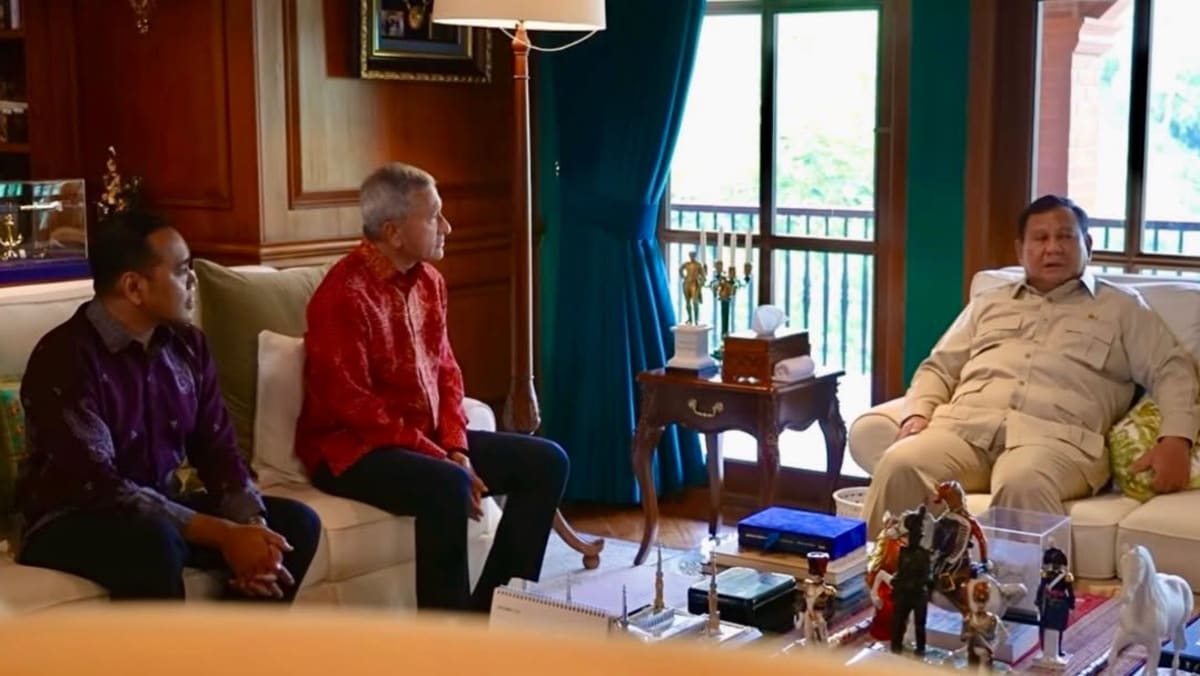
According to Reuters, the foreign ministers of Singapore and Indonesia stated on Tuesday that their governments intend to create a joint task force to deal with haze from Indonesia’s wildfires, meeting to reaffirm diplomatic ties following recent friction over energy supplies and environmental pollution. The visit to Jakarta by Singapore Foreign Minister Vivian Balakrishnan came amid mounting frustrations in the city-state over transboundary haze generated by Indonesia’s most intense forest fires in 11 years.
Tackling the haze issue is a top national priority for Indonesian President Prabowo Subianto, said Indonesian Foreign Ministry official Arrmanatha Nasir. No border should shield those who profit from burning forests, he added, noting that the proposed task force would enable both countries to share information, gather cross-border evidence, and potentially recover assets from companies linked to the forest fires. Singapore offered to share data on companies connected to the fires, according to Mr Nasir.
Dr Balakrishnan stated that Singapore stands in solidarity with Indonesia and that the first victims of the haze are Indonesians themselves. Responding to a question by CNA, Dr Balakrishnan said he was not yet in a position to give details on the composition of the task force, but emphasized that given the commitment at the senior level for both countries, it would be implemented quickly, promptly, and effectively.
Singapore Serves Legal Notices to Companies Under THPA
Parallel to diplomatic talks in Jakarta, Singaporean authorities intensified domestic measures against companies and lenders allegedly connected to the crisis. Mothership reported that on Oct. 23, 10 Singapore-based companies received legal notices under the Transboundary Haze Pollution Act (THPA), prompting a subsequent meeting with their senior leaders on Oct. 28 involving Deputy Prime Minister Gan Kim Yong, Senior Minister K Shanmugam, and Grace Fu, who serves as Minister for Sustainability and the Environment alongside her role as Minister-in-charge of Trade Relations. Mr Shanmugam stated that the government intends to table amendments to the THPA in Parliament in November to give legal force to its accountability framework.
The Monetary Authority of Singapore (MAS) issued a statement on Wednesday urging local banks to take stronger measures against customers who clearly breach environmental laws, including limiting exposures or exiting relationships. MAS expects lenders to identify, assess, manage, and monitor material environmental risks arising from pollution and deforestation, utilizing relevant information released by the National Environment Agency.

Singapore Expects Indonesia to Honour Gas Supply Contracts
The diplomatic engagements also addressed broader economic ties, including Jakarta’s recent decision to reduce natural gas exports to Singapore to prioritize domestic electricity needs. On Oct. 24, Indonesia began cutting these shipments, a move Indonesian Coordinating Minister for Downstreaming and Energy Transition Bahlil Lahadalia described on Oct. 26 as remaining within contractual limits.
Mr Wong emphasized during a Sunday People’s Action Party convention that Singapore looks for full compliance from all signatories of commercial gas supply agreements, adding that the nation’s designated gas importer will take all necessary actions to safeguard its interests and legal entitlements. Addressing the consensus reached during his visit, Dr Balakrishnan noted that ministers from both nations share a common commitment to the sanctity of contract.
All sides understand that signatures and contractual obligations matter because they affect the credibility and competitiveness of economies on both sides, Dr Balakrishnan said on Wednesday. Look at actions, not just at words, he added, emphasizing that contracts mean something and that contractual sanctity must be upheld.