
Updated January 8, 2026 04:20AM
Ther’s a growing concern that Simon Yates’ recent retirement was a direct result of the relentless demands of modern, high-performance cycling. Insiders at Team Visma-Lease a Bike suggest the Giro d’Italia champion’s sudden departure from the sport signals a deeper issue: a culture that pushes riders to the point of burnout through constant, year-round dedication.
“It’s a shame, but that’s how it is,” Visma sport director Jesper Mørkøv told Feltet.“I won’t go into it any further, but as I understand it, Simon lost his desire.”
Mørkøv, who led Yates to victory at the Giro d’Italia, believes Yates was simply weary and fatigued by the grueling lifestyle required to compete at the highest level – a life dominated by meticulously tracking watts and calories.He emphasized the increasingly demanding nature of elite cycling. “It’s been discussed a lot in recent years that it takes a lot to be able to be on the top shelf.It’s really hard,” Mørkøv added to Feltet. “Simon has been in the game for many years, and he’s simply done with it.”
Yates announced his abrupt retirement on Wednesday, sending shockwaves through the cycling world. At 33 years old, he was still within his prime physiological window, having only recently celebrated his victory in Rome just seven months prior. His decision, it seems, was driven by a mental and emotional exhaustion that outweighed his physical capabilities.
“This may come as a surprise to many, but it is not a decision I have made lightly,” Yates wrote in his retirement message. “I have been thinking about it for a long time.”
‘Full circle’ moment on Finestre marks beginning of the end
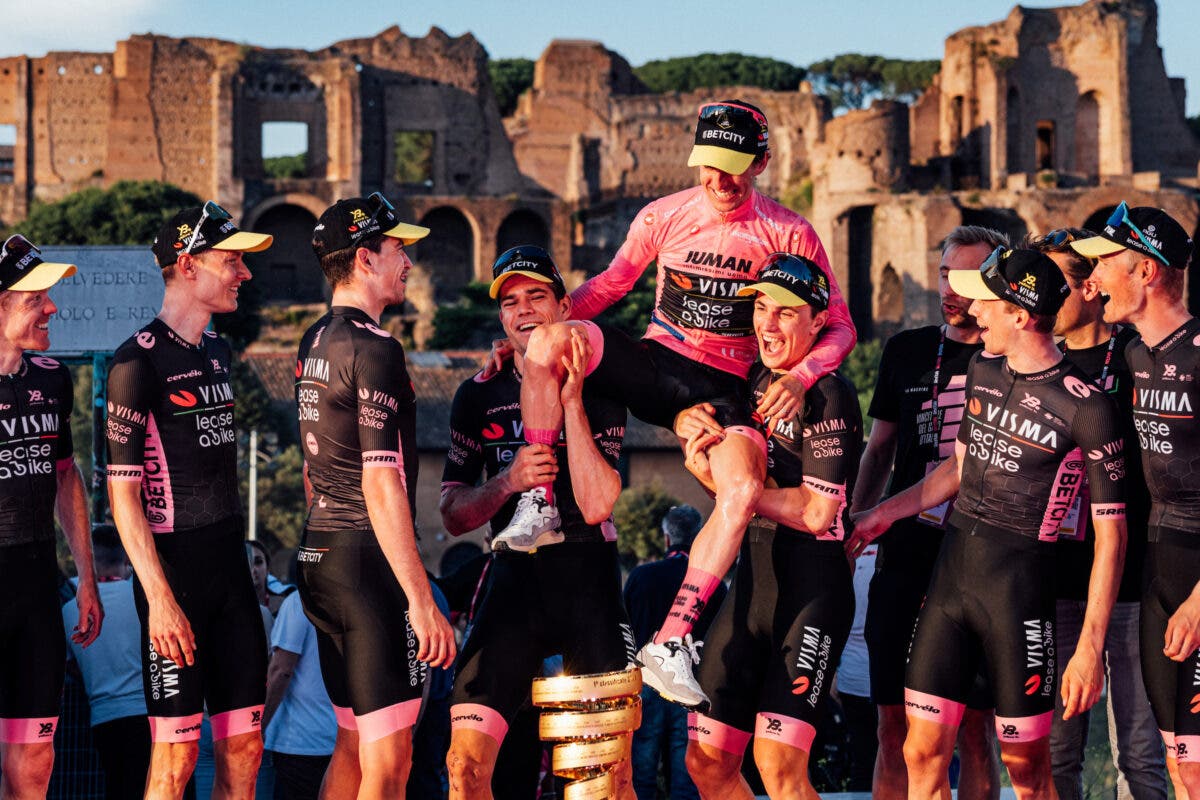
Yates’ decision wasn’t a reaction to a specific injury or setback, but rather a culmination of prolonged contemplation. Rumors had circulated for months, suggesting he was already considering retirement last summer. His career had been a story of perseverance, culminating in a triumphant victory at the Giro d’Italia that completed a redemption arc spanning seven years. The painful memory of losing the maglia rosa to Chris Froome on the Finestre in 2018 loomed large, a past defeat decisively overcome in 2025.
Securing the overall victory in May seemed to fulfill Yates’ biggest ambition. With two Grand Tour titles (also including the Vuelta a España), stage wins in all three Grand tours, track medals, and Olympic participation under his belt, he had arguably achieved all there was to achieve in the sport.
Given the current dominance of riders like Tadej Pogačar, a Tour de France victory or success in the challenging hilly monuments appeared increasingly out of reach for Yates.
A shock decision, 7 months in the making
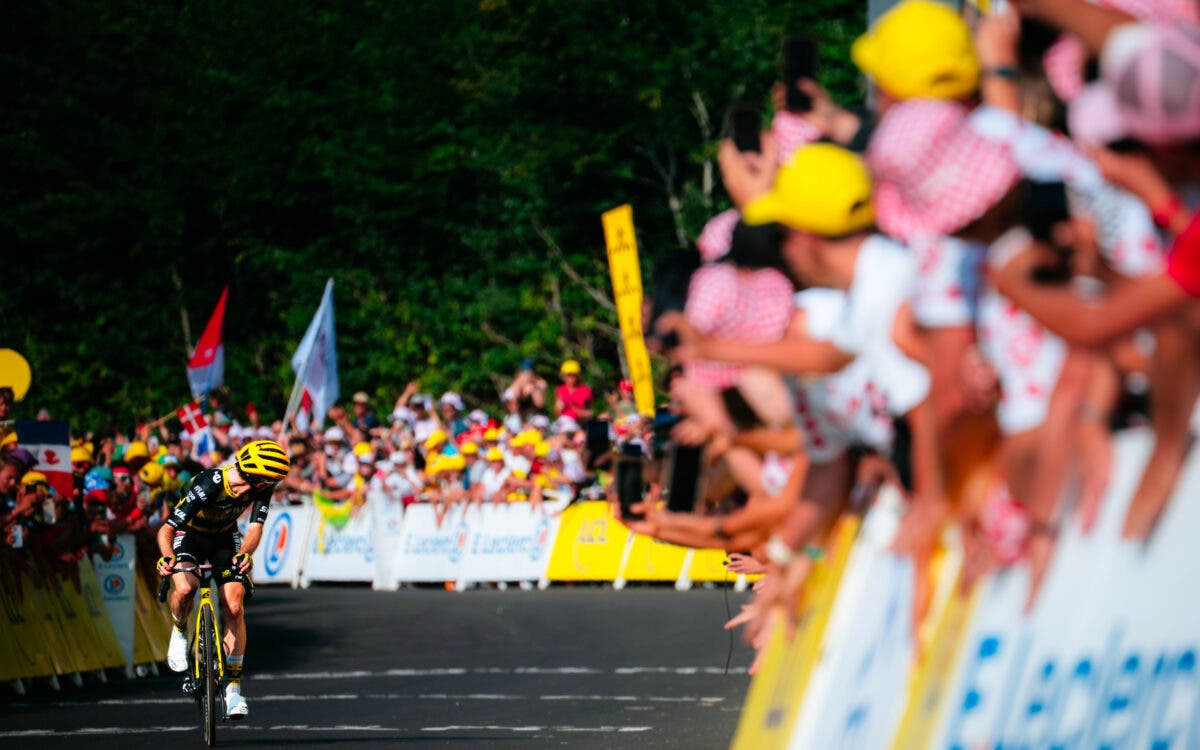
Belgian commentator and journalist Rennat Schotte suggested that Yates’ stage win at the 2025 Tour de France may have been a pivotal moment, sparking a growing sense of fulfillment and a desire to step away.“I spoke to someone from the team, and they said something started to bubble up after the Giro. When he then won a stage of the Tour in a grand way,a little voice started playing in his head,” Schotte explained on Sporza.
“Some insiders heard about this, but found it astonishing at the time,” Schotte continued. “But apparently, he had in his mind that the circle is complete.”
Yates had initially planned to honor the final year of his two-year contract with Visma-Lease a Bike, intending to reassess his situation in December 2026. Though, attending the Giro route presentation as the defending champion and participating in team photoshoots reaffirmed his decision. The prospect of another ten months of intense competition felt unsustainable. He had achieved his goals and realized he had little left to give.
“Now feels like the right moment to step away from the sport,” he stated.
Cycling’s super team era took Yates back to the top
Professional cycling has undergone a dramatic conversion sence Yates joined the WorldTour in 2014. Back then, riders could win atop mountains with a power-to-weight ratio of 6w/kg, relying on body fat for fuel, and without the constant monitoring provided by HRV trackers.
Today, the WorldTour operates with the sophistication of Formula 1 racing. Aerodynamics are paramount, altitude camps are relentless, and macronutrient intake is meticulously calculated based on training load. Winning requires a power-to-weight ratio of 7w/kg, and every kilometer is fraught with risk.
Yates told Velo last winter that this modern approach takes a significant toll. “Everything’s changed,” he said. “Not that the sport was unprofessional before, but now no one takes a day off.Now, training-wise, everyone is laser focused about every little detail. In 2018, you could take a week off and have a few beers if you want.
“Now that is not the case. You cannot miss anything.you get sick for a few days and you’re already weeks behind,” Yates explained to Velo. “it’s not easy to be like that all the time, but that’s how it is indeed.”
There’s a growing belief that this post-pandemic shift is shortening the careers of professional athletes and raising concerns about a looming burnout crisis in the sport.
Yates: ‘I don’t want to retire with any regrets’

Last winter, Yates expressed his desire to embrace the cutting-edge, science-driven approach to cycling, which motivated his decision to join Visma-Lease a Bike, even though it meant accepting a pay cut after eleven years with Jayco. He wanted to maximize his potential before it was too late.
“I didn’t want to retire with any regrets,” Yates told Velo during his first Visma training camp. “I don’t want to go to a Giro and whereas before I was two percent behind, I want to go there fully fit and healthy and do the best I can be, and then see what happens.”
and that’s exactly what happened for Yates: he achieved a maglia rosa.
Yates didn’t disclose the specific reasons for his retirement. However, it’s possible that the very high-performance evolution that helped him conquer the Giro d’Italia ultimately contributed to the end of his career.
