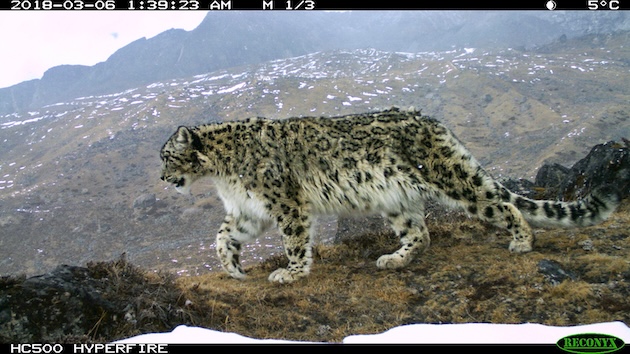
Sikkim’s Snow Leopards: How Communities Protect the High-Mountain Jewels
As of June 17, 2026, communities in Sikkim, India, are actively integrating human-wildlife cohabitation strategies to protect the endangered snow leopard within the Khangchendzonga National Park. Local residents and conservationists are formalizing land-use agreements to mitigate economic losses from livestock predation while promoting sustainable eco-tourism as a primary source of regional revenue.
The Economic Reality of Coexistence
The high-altitude landscape of Sikkim represents one of the most fragile ecosystems in the Himalayas. For local communities, the presence of the snow leopard (Panthera uncia) is not merely a conservation success but a daily logistical challenge. According to data from the Wildlife Institute of India, the encroachment of grazing lands into core habitats frequently results in livestock loss, which historically fueled retaliatory killing of the predators.

To address these financial stressors, village councils are increasingly engaging with specialized agricultural risk management firms to develop compensation models that bridge the gap between conservation mandates and personal financial security.
“The snow leopard is a silent partner in our economy. If we do not account for the loss of a single yak, we lose the support of the community. We are moving from a model of conflict to a model of shared stewardship, where the cat is valued as a tourist asset rather than a pest.”
— Tenzing Gyatso, a local conservation advocate and community liaison in North Sikkim.
Infrastructure and the Tourism Paradox
The Goechala trail, a primary artery for trekking tourism in the region, sits at the nexus of this ecological balance. Increased foot traffic brings necessary capital, but it also forces local authorities to balance habitat preservation with the infrastructure needs of international trekkers. As human activity expands into previously remote corridors, the demand for sustainable waste management and trail maintenance has surged.
For operators in the region, navigating the intersection of environmental law and commercial activity is complex. Developers and tour operators are increasingly retaining environmental legal counsel to ensure that their operations comply with the Ministry of Environment, Forest and Climate Change guidelines, particularly regarding noise pollution and site footprinting in high-altitude zones.
Comparative Data: Conservation vs. Human Impact
The following table illustrates the competing pressures currently influencing land-use decisions in the Khangchendzonga periphery:

| Factor | Conservation Priority | Economic Driver |
|---|---|---|
| Land Use | Core Habitat Preservation | Livestock Grazing Expansion |
| Revenue Source | Eco-Tourism Grants | Traditional Pastoralism |
| Primary Risk | Biodiversity Loss | Livestock Predation |
| Mitigation | Corridor Fencing | Insurance/Compensation Schemes |
Legal and Regulatory Frameworks
Sikkim’s approach to wildlife management is heavily influenced by the Wild Life (Protection) Act of 1972, which remains the bedrock of Indian conservation law. However, local administrative bodies have begun to layer supplemental regulations on top of these federal mandates to address the specific needs of high-altitude pastoralists.
When administrative disputes arise regarding land usage or compensation payouts, stakeholders often turn to professional mediation and arbitration services. These services have become essential in resolving conflicts between park authorities and local villagers, preventing the escalation of grievances into protracted litigation.
The Future of Himalayan Stewardship
The long-term viability of the snow leopard in Sikkim depends entirely on the economic empowerment of the people who share their mountain range. If the financial burden of conservation continues to fall solely on the shoulders of local shepherds, the risk of habitat degradation remains high. Success requires a robust, transparent system where the value of a protected predator is realized through the local economy.
As the region looks toward the next decade, the integration of technology—such as satellite-based livestock tracking and automated early-warning systems—will likely become the standard for conflict mitigation. For those investing in the region’s future, whether in tourism, infrastructure, or conservation, the importance of engaging with vetted local experts cannot be overstated. Ensuring that every project aligns with both the legal requirements of the Indian state and the social fabric of the Sikkimese people is the only path forward in these high, unforgiving mountains.