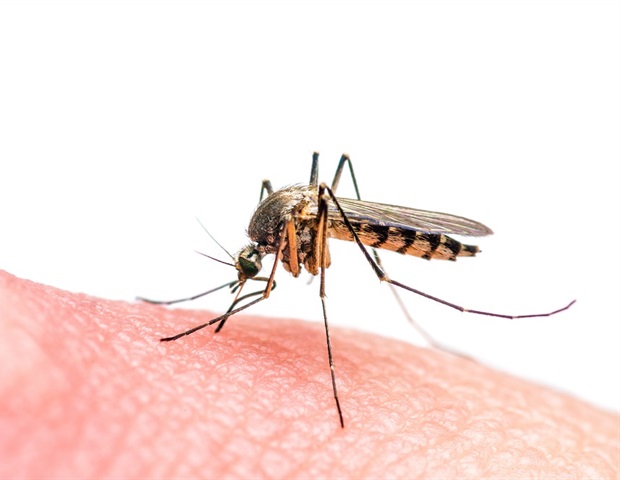
Sidewalk Yeast Species Could Revolutionize Eco-Friendly Mosquito Traps
Researchers have identified specific yeast strains naturally occurring on urban surfaces that effectively lure mosquitoes, potentially offering a sustainable, non-toxic alternative to synthetic chemical traps. By isolating volatile organic compounds (VOCs) produced by these yeasts, scientists aim to disrupt the host-seeking behavior of disease-carrying vectors without relying on DEET or organophosphate-based insecticides.
Key Clinical Takeaways:
- Scientists discovered that yeast species commonly found on urban sidewalks release chemical signals that mimic human skin odors, acting as potent mosquito attractants.
- This discovery, detailed in a study published in Current Biology, provides a blueprint for creating eco-friendly, bait-based vector control systems.
- The research, funded by the National Institutes of Health (NIH), highlights a shift toward biologically-derived surveillance tools to combat the rising global incidence of mosquito-borne pathogens like Dengue and Zika.
Biological Mechanisms of Yeast-Mediated Attraction
Mosquitoes, particularly Aedes aegypti, rely heavily on olfactory cues to locate human hosts. The recent study demonstrates that yeast communities living on human-made surfaces—often discarded skin cells and sweat residue—metabolize these nutrients into specific alcohols and esters. These volatile emissions are chemically similar to those produced by the human skin microbiome, which mosquitoes have evolved to detect over long distances.
According to the lead investigators, the yeast species Candida albicans and Debaryomyces hansenii were among the most effective at producing these specific attractant profiles. By concentrating these natural VOCs, researchers can design traps that outcompete human scent profiles. This mechanism of action represents a significant departure from standard synthetic attractants, which often lack the complex chemical signature required to deceive highly specialized sensory receptors in the mosquito antennae.
Epidemiological Significance and Public Health Surveillance
The global burden of mosquito-borne morbidity remains a critical concern for public health agencies. With climate change expanding the geographic range of vectors like Aedes and Anopheles mosquitoes, traditional vector control—often reliant on broad-spectrum chemical fogging—is facing increasing scrutiny due to environmental toxicity and the development of insecticide resistance.
“The ability to leverage commensal microorganisms to manipulate vector behavior is a sophisticated frontier in preventative medicine. By shifting toward biogenic attractants, we reduce the ecological footprint of vector control while maintaining high-sensitivity surveillance in endemic regions,” notes Dr. Elena Rossi, an expert in infectious disease epidemiology.
For regions struggling with persistent outbreaks, integrating these biological traps into existing surveillance networks could provide more accurate data on vector density. Effective management of these populations requires coordination with specialized environmental health diagnostic centers to ensure traps are placed in high-risk zones where pathogen transmission is most likely to occur.
Comparative Analysis of Vector Control Methodologies
Current vector control strategies often rely on synthetic pyrethroids, which carry documented risks of non-target toxicity. The following comparison highlights the clinical and environmental differences between traditional and emerging yeast-based approaches.
| Methodology | Mechanism | Environmental Impact | Primary Limitation |
|---|---|---|---|
| Synthetic Pyrethroids | Neurotoxic disruption | High; non-target species harm | Increasing vector resistance |
| Yeast-derived VOC Traps | Olfactory mimicry | Minimal; biodegradable | Requires frequent bait replenishment |
Bridging the Gap: Implementation in Clinical and Urban Settings
Transitioning from benchtop discovery to field deployment requires rigorous validation. The funding provided by the National Institutes of Health supports the development of scalable delivery systems for these yeast-based lures. However, the efficacy of these traps in field conditions remains subject to local environmental variables, such as humidity and ambient microbial competition.
For municipal health departments and private healthcare entities tasked with disease prevention, the shift toward biological intervention is not merely an environmental preference but a clinical necessity. Implementing these strategies requires expert consultation. It is highly recommended that organizations seeking to modernize their vector management protocols reach out to vetted environmental health consultants to navigate regulatory requirements and ensure the integration of these tools adheres to local public health standards.
Future Trajectories in Vector Pathogenesis Research
The next phase of this research involves testing the longevity of these yeast-based attractants in high-temperature, urban heat-island environments. As the scientific community continues to map the intersection between urban micro-ecosystems and human health, the ability to predict and intercept vector-borne pathogen transmission will improve. Ongoing clinical surveillance remains the standard of care for protecting populations at risk of vector-borne illnesses. For those in high-risk zones, maintaining updated vaccinations and consulting with board-certified infectious disease specialists remains the most effective strategy for mitigating individual morbidity.
Disclaimer: The information provided in this article is for educational and scientific communication purposes only and does not constitute medical advice. Always consult with a qualified healthcare provider regarding any medical condition, diagnosis, or treatment plan.