
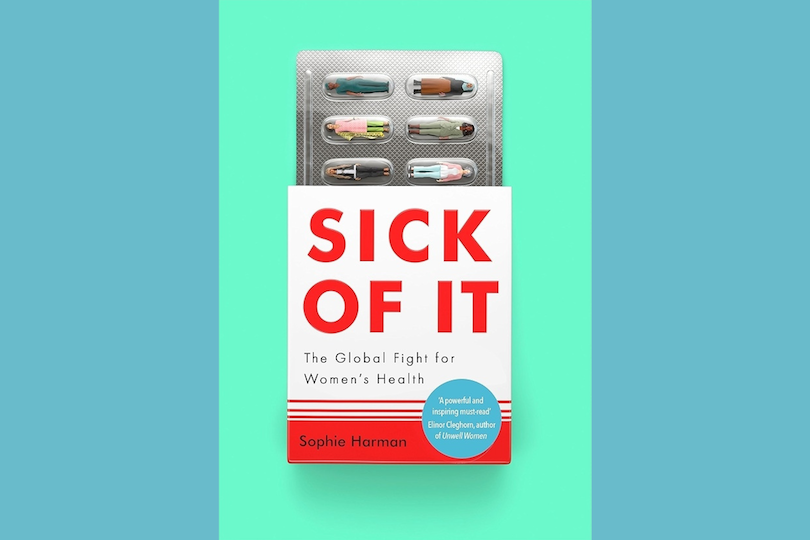
Summary of Sick of It by Harman
This review highlights Sick of It as a crucial and insightful book examining the persistent inequalities in women’s health globally, despite increased resources and attention. The core argument is that these inequalities aren’t due to a lack of knowledge or effort, but rather the exploitation of women’s health as a tool for maintaining power structures.
Key takeaways from the book:
* broad Scope: The book connects women’s health issues to larger global inequalities, including racial disparities and political conflicts (Gaza, Ukraine, abortion rights).
* Critique of Global Health Practices: Harman doesn’t just point to obvious villains; she also critiques the practices of humanitarian actors, like the expectation for women to perform their “trauma” to access care.
* Three-Part structure: The book is organized around exploring how women’s health is used for political power, the exploitation within healthcare and aid, and typical proposed solutions. It concludes with a call to action.
* Four Key Contributions:
* believe Women: Emphasizes the vital need to believe women’s accounts of pain, misconduct, and exploitation, especially Black and brown women who are frequently enough ignored.
* Nuance in global Inequality: acknowledges shared experiences of inadequate healthcare access for women while recognizing the significant differences shaped by race, class, ability, and geographic location (Global North vs. Global South). Specifically highlights the disproportionate risks faced by Black women in pregnancy-related complications.
* Rejection of Traditional Justifications: Harman challenges the common framing of women’s health equality based on their societal roles, offering a more fundamental argument for their rights.
* accessibility: The book is designed to be accessible to a wide audience, offering “easy stuff” readers can do alongside more complex analyses.
Sick of It is presented as a hopeful yet realistic call to action, urging activism and political engagement to address the deeply rooted issues impacting women’s health worldwide. It’s a valuable resource for policymakers, practitioners, and anyone concerned with women’s rights and healthcare equity.
