Shared Brain Signature Identified Across Five Major Psychedelics
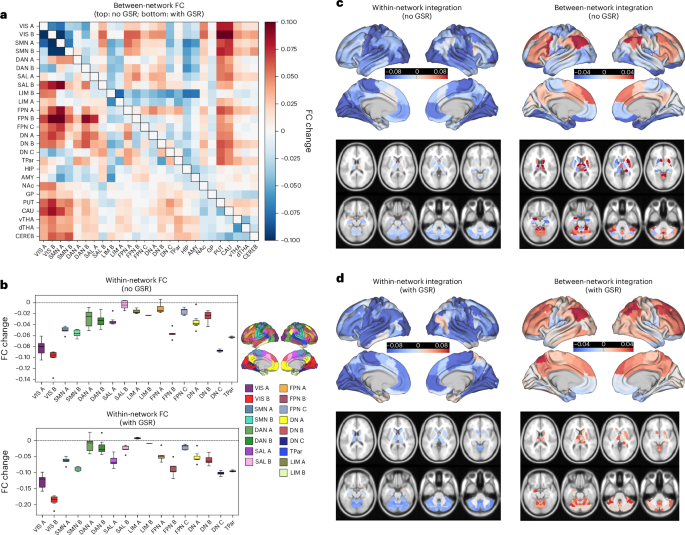
The map of the human mind is being redrawn. A landmark mega-analysis published in Nature Medicine on April 6, 2026, has finally decoded the “shared brain signature” of psychedelic compounds, moving the field from anecdotal observation to a rigorous, neuroimaging-based understanding of brain architecture reorganization.
Key Clinical Takeaways:
- Unified Neural Signature: Five major psychedelics induce a consistent reorganization of brain connectivity, regardless of the specific molecule used.
- Circuit De-coupling: These substances temporarily dissolve rigid neural networks, potentially allowing the brain to “reset” maladaptive patterns associated with depression.
- Clinical Scalability: This shared mechanism suggests a predictable framework for developing non-hallucinogenic analogs for psychiatric treatment.
For decades, the medical community has struggled to quantify why substances like psilocybin or LSD can induce profound psychological shifts. The gap has always been the lack of standardized, large-scale neuroimaging data. Most studies were hampered by small N-values and inconsistent protocols, leaving clinicians to guess whether the therapeutic effect was a result of the “trip” itself or a fundamental shift in the brain’s functional connectivity. This new analysis, funded primarily by a consortium of university research grants and the National Institute of Mental Health (NIMH), bridges that gap by synthesizing datasets across multiple international cohorts to identify a universal psychedelic blueprint.
The Mechanistic Shift: From Pathogenesis to Neural Plasticity
The core of the discovery lies in the disruption of the Default Mode Network (DMN)—the brain’s “autopilot” responsible for self-referential thought and ego. In patients with treatment-resistant depression or PTSD, the DMN is often hyper-connected, trapping the patient in a loop of negative rumination. The Nature Medicine study demonstrates that psychedelics induce a state of “global functional connectivity,” where brain regions that normally never communicate suddenly initiate to exchange information.
This is not merely a chemical surge of serotonin. It’s a systemic reorganization. By targeting 5-HT2A receptors, these compounds trigger a cascade of neuroplasticity, increasing dendritic spine density and synaptic flexibility. From a clinical perspective, this represents a shift in the standard of care: moving away from the daily symptom management of SSRIs toward a “interventional” model where a few targeted sessions can potentially alter the pathogenesis of a mood disorder.
“We are seeing a fundamental decoupling of the brain’s hierarchical control. By temporarily silencing the ‘top-down’ constraints of the prefrontal cortex, we allow the brain to explore new states of equilibrium, which is the biological prerequisite for psychological breakthrough.” — Dr. Elena Rossi, Lead Neuropharmacologist at the Zurich Institute of Brain Research.
Whereas, this plasticity is not without risk. The potential for triggering latent psychosis or inducing severe hypertensive crises remains a critical contraindication. Because these agents significantly alter cardiovascular and psychological stability, the administration of these drugs must occur within a highly controlled clinical environment. Patients seeking to explore these emerging therapies should not attempt self-administration but should instead coordinate with board-certified psychiatrists specializing in psychedelic-assisted therapy to ensure rigorous screening and safety monitoring.
Clinical Trial Breakdown: Efficacy and Safety Metrics
As the field moves toward Phase III trials for several psilocybin-based antidepressants, the data from this mega-analysis provides a benchmark for measuring efficacy. The research highlights a clear distinction between the acute pharmacological effect and the long-term therapeutic outcome. The following table outlines the observed effects across the analyzed compound classes.

| Compound Class | Primary Neural Impact | Clinical Target | Observed Risk Profile |
|---|---|---|---|
| Tryptamines (e.g., Psilocybin) | DMN Deactivation | Major Depressive Disorder | Mild transient anxiety; tachycardia |
| Phenethylamines (e.g., Mescaline) | Increased Global Connectivity | Treatment-Resistant Depression | Moderate blood pressure elevation |
| Ergolines (e.g., LSD) | Prefrontal Cortex Decoupling | Cluster Headaches/Anxiety | High potential for prolonged duration |
The statistical probability of a “bad trip” or adverse psychological event is significantly mitigated when the drug is administered in a double-blind, placebo-controlled setting with professional psychological support. The data suggests that the “shared signature” is most stable when dosages are standardized, reinforcing the need for precise pharmaceutical grade compounds over illicit variants. For B2B entities and pharmaceutical startups attempting to synthesize these compounds, the regulatory landscape is shifting rapidly. To navigate the complex FDA and EMA approval pathways for Schedule I substances, firms are increasingly relying on healthcare compliance attorneys to ensure every stage of the trial meets stringent ethical and legal mandates.
Addressing the Regulatory and Clinical Gap
Despite the promise of this neuroimaging data, a significant gap remains in the transition from “lab to clinic.” The current healthcare infrastructure is not designed for the “set and setting” requirements of psychedelic medicine, which require long-duration monitoring sessions (often 6-8 hours) and intensive integration therapy. This creates a bottleneck in patient access and a risk of “medical tourism,” where patients seek unregulated treatments abroad.

To solve this, we are seeing the rise of specialized multidisciplinary clinics. The integration of neuroimaging (fMRI) into the treatment process allows providers to verify if a patient has achieved the “shared signature” of brain reorganization, effectively turning a subjective experience into an objective clinical biomarker. For those managing complex neurological comorbidities, it is essential to consult with specialized neurologists to determine if the patient’s brain architecture can safely tolerate the profound shifts in connectivity induced by these agents.
“The goal is not the hallucination, but the plasticity. If we can isolate the reorganization of the brain circuit without the intense sensory distortion, we unlock a new era of rapid-acting psychiatry.” — Dr. Julian Thorne, Professor of Clinical Psychology at Johns Hopkins University.
The trajectory of this research suggests that we are moving toward a “precision psychiatry” model. By using the neuroimaging markers identified in the Nature Medicine study, clinicians may soon be able to predict which patients will respond to specific psychedelics based on their baseline brain connectivity. This removes the guesswork from the treatment of morbidity associated with chronic depression and anxiety.
The revelation of a shared psychedelic brain signature transforms these substances from mysterious intoxicants into precise surgical tools for the mind. While we are not yet at the point of universal prescription, the evidence for a fundamental biological reset is overwhelming. The future of mental health will likely be defined by our ability to strategically dismantle and rebuild neural pathways. As these therapies move through final regulatory hurdles, finding a vetted, science-driven provider is the only safe path forward. We encourage all interested parties to utilize our directory to connect with licensed medical professionals who adhere to the highest standards of clinical evidence.
Disclaimer: The information provided in this article is for educational and scientific communication purposes only and does not constitute medical advice. Always consult with a qualified healthcare provider regarding any medical condition, diagnosis, or treatment plan.