
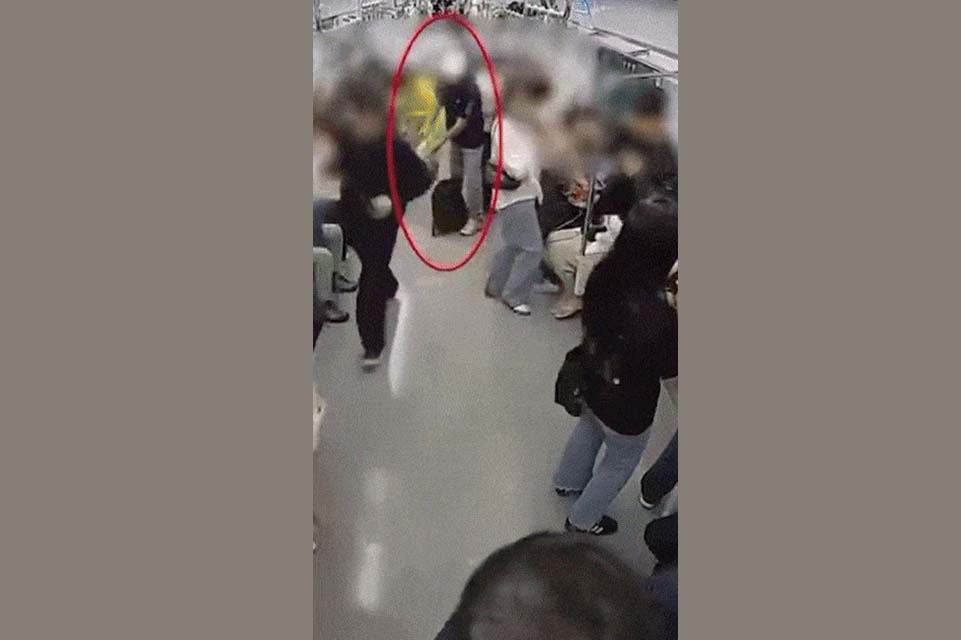
Seoul Subway Arson: Quick Response Averts Disaster on Line No. 5
Table of Contents
SEOUL – A potential catastrophe was narrowly avoided on May 31 when a man allegedly set fire to a subway train on Seoul subway Line No. 5. The incident, which occurred at 8:42 a.m.as the train traveled between Yeouinaru and Mapo stations, prompted a rapid evacuation and highlighted the importance of enhanced safety measures implemented after a similar tragedy in 2003 [3].
Subway Arson Incident Details
The suspect,a 67-year-old man with the surname Won,allegedly poured gasoline down the aisle of the fourth car before igniting it. Passengers quickly reacted, scrambling for safety as the car became engulfed in flames. Surveillance footage released by the Seoul Southern District Prosecutors’ Office showed the harrowing moments and the speed at which the fire spread [1].
Despite the intensity of the blaze, no fatalities or serious injuries were reported, with the exception of the suspect who sustained minor burns. Won now faces charges of attempted murder, arson of an occupied vehicle, and railway safety violations [2].
Did You Know? The rapid spread of fire in confined spaces like subway tunnels can be significantly accelerated by the presence of flammable materials and limited ventilation, as demonstrated by research from the National Fire Protection association.
Lessons Learned: Safety Upgrades Prevented Disaster
The subway arson incident drew immediate comparisons to the devastating 2003 Daegu subway fire, which claimed 192 lives. However, a critical difference this time was the presence of fire-resistant materials, emergency equipment, and well-trained staff, all implemented in response to the Daegu tragedy.
Following the 2003 disaster, Seoul Metro invested heavily in upgrading safety standards. Flammable materials in subway cars were replaced with non-combustible stainless steel and flame-resistant fabrics. firewalls and improved evacuation signage were installed in tunnels, and emergency intercoms and manual door release handles were added to every car.
Kim Jin-chul of the Mapo Fire Department noted that the flames primarily affected trash and personal items, not the train structure itself. Passengers and staff were able to extinguish the blaze using onboard fire extinguishers before firefighters arrived.
Pro Tip: Familiarize yourself with the location of emergency exits and equipment on public transportation.Knowing how to react quickly can save lives in an emergency.
Heroic actions and System Weaknesses
Passengers played a crucial role in the accomplished evacuation. Some assisted elderly riders, while others activated emergency brakes and manually opened doors to release smoke. Several even stayed behind to fight the fire with extinguishers.
Four off-duty police officers on board initially believed the suspect to be an injured victim and carried him to safety. However, they noticed soot on his hands and apprehended him at Yeouinaru station.
Despite the successful evacuation, the incident exposed a weakness in the system. onboard security camera footage was not transmitted in real-time to subway control centers, leaving authorities unaware of the situation as it unfolded. This lack of real-time information prompted renewed calls for improved monitoring and crisis response systems.
Prosecutors emphasized that even a slight delay in the evacuation could have resulted in fatalities. The incident has spurred demands to reinforce crisis response systems across Korea’s subway network.
| Event | Date | Details |
|---|---|---|
| Seoul Subway Arson | May 31, 2025 | Man sets fire to Line No. 5 train; no fatalities due to safety measures. |
| Daegu Subway Fire | 2003 | Arson attack resulted in 192 deaths and 151 injuries. |
| Safety Upgrades | Post-2003 | Seoul Metro implements fire-resistant materials, enhanced signage, and emergency equipment. |
Moving Forward: Enhancing subway Safety
The Seoul subway arson incident serves as a stark reminder of the importance of continuous improvement in safety protocols.While the upgrades implemented after the 2003 Daegu fire proved effective, the need for real-time monitoring and enhanced crisis response systems is now clear.
What other safety measures could be implemented to prevent similar incidents in the future? How can technology be leveraged to improve real-time monitoring and response capabilities?
Evergreen Insights: Subway Safety and Emergency Preparedness
Subway systems worldwide face the constant threat of accidents and deliberate attacks. Effective emergency preparedness relies on a combination of factors, including robust infrastructure, well-trained staff, and informed passengers. Regular drills and public awareness campaigns are crucial for ensuring that individuals know how to react in emergency situations.
The implementation of advanced technologies,such as real-time video surveillance and automated alert systems,can significantly enhance the ability to detect and respond to potential threats. Furthermore, international collaboration and the sharing of best practices can help subway systems around the world improve thier safety standards and protect passengers.
Frequently Asked Questions About Subway safety
What are the key elements of a comprehensive subway safety plan?
A comprehensive subway safety plan includes fire prevention measures, emergency evacuation procedures, security protocols, and regular training for staff and passengers.
How can passengers contribute to subway safety?
passengers can contribute by being aware of their surroundings, reporting suspicious activity, and following instructions from staff during emergencies.
What role does technology play in enhancing subway safety?
Technology can enhance subway safety through real-time monitoring, automated alerts, and improved interaction systems.
How often should subway systems conduct emergency drills?
Subway systems should conduct emergency drills regularly, at least annually, to ensure that staff and passengers are prepared for potential incidents.
What are some common causes of subway fires?
Common causes of subway fires include electrical malfunctions, accidental ignition of flammable materials, and deliberate arson attacks.
disclaimer: This article provides general information about a news event and should not be considered professional advice.
Share this article and let us know your thoughts in the comments below.Subscribe to World Today News for more breaking updates!
