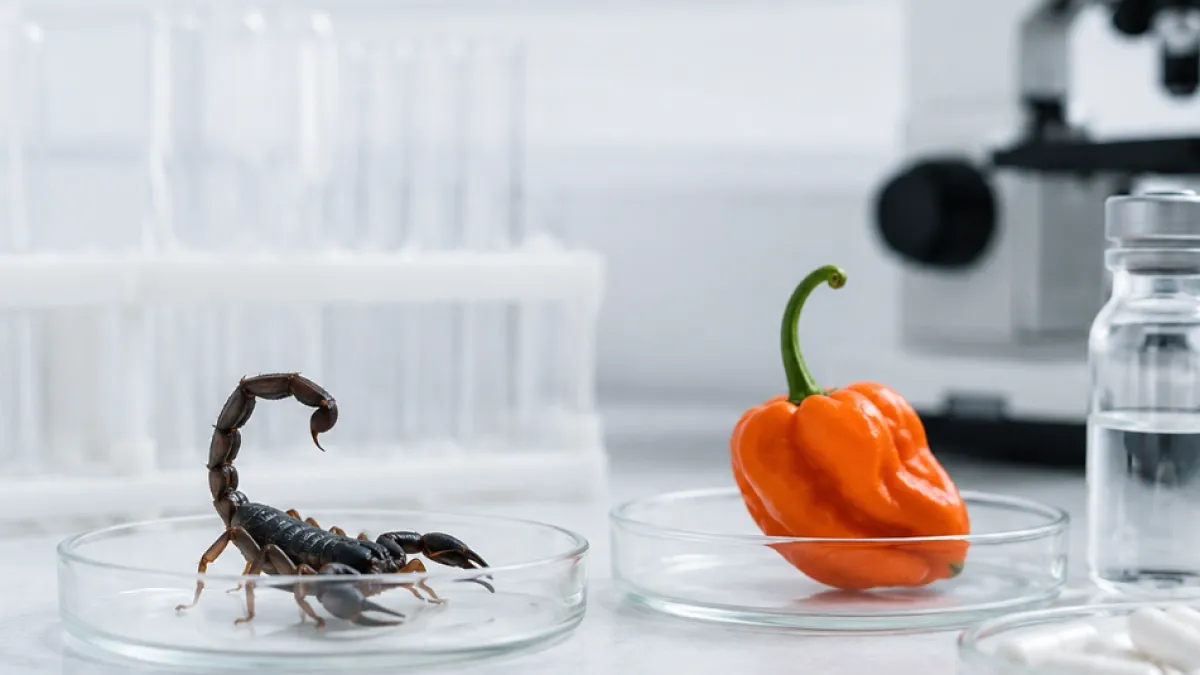
Scorpion Venom & Habanero Pepper: Mexico’s Breakthrough in Fighting Superbugs
The global escalation of antimicrobial resistance is transforming once-treatable infections into lethal threats. In a sophisticated pivot toward nature’s own chemical warfare, researchers at the National Autonomous University of Mexico (UNAM) are synthesizing scorpion venom and habanero pepper extracts to neutralize multi-drug resistant bacteria.
Key Clinical Takeaways:
- Researchers are leveraging the synergistic properties of scorpion venom and habanero pepper to develop novel antibiotics.
- The innovation targets “superbugs” that have evolved resistance to standard-of-care pharmaceutical treatments.
- This research represents a shift toward bioactive peptide-based therapies to reduce global morbidity associated with drug-resistant pathogens.
The clinical landscape is currently facing a crisis of pathogenesis. For decades, the reliance on broad-spectrum antibiotics has exerted an evolutionary pressure on bacteria, leading to the rise of multi-drug resistant (MDR) strains. When standard treatments fail, the resulting morbidity increases exponentially, as physicians are forced to use “last-resort” drugs that often carry severe toxicity, and contraindications. The emergence of these superbugs has created a critical clinical gap, where the rate of bacterial evolution is outstripping the rate of pharmaceutical discovery.
The Biochemical Synergy of Toxins and Capsaicin
The innovation emerging from Mexico focuses on the intersection of two potent biological agents. Scorpion venom is rich in antimicrobial peptides (AMPs), which are compact, positively charged molecules that interact with the negatively charged membranes of bacteria. Unlike traditional antibiotics that often target a single enzyme or protein, these peptides typically act by disrupting the lipid bilayer of the bacterial cell wall, causing rapid lysis and death of the pathogen.

By integrating extracts from the habanero pepper, scientists are exploring the additive effects of capsaicin and other bioactive flavonoids. These compounds are known to possess intrinsic antimicrobial properties and may enhance the permeability of bacterial membranes, allowing the venom-derived peptides to penetrate more effectively. This dual-action mechanism is particularly promising for treating biofilms—slimy, protective layers that bacteria secrete to shield themselves from the host’s immune system and traditional antibiotics.

“The integration of natural toxins into pharmacological frameworks allows us to bypass the traditional resistance pathways that bacteria have developed against synthetic drugs. We are essentially using the evolutionary tools of nature to dismantle the defenses of the most resilient pathogens.”
For clinicians managing patients with chronic, non-healing wounds or recurrent systemic infections that resist first-line therapies, the transition to these emerging biologics could be life-saving. Patients currently struggling with MDR infections should be referred to board-certified infectious disease specialists to ensure their current treatment protocols are optimized while these new therapies move toward clinical application.
Addressing the Public Health Burden of AMR
The World Health Organization (WHO) has identified antimicrobial resistance as one of the top ten global public health threats facing humanity. The socioeconomic burden is staggering, as prolonged hospital stays and the need for complex diagnostic interventions drive up healthcare costs and strain infrastructure. The UNAM research is not merely a laboratory curiosity; This proves a strategic response to a systemic failure in the antibiotic pipeline.
Most traditional antibiotic research has focused on modifying existing drug classes, such as beta-lactams or macrolides. However, the bacterial “resistome”—the collection of all resistance genes—is vast. By sourcing molecules from scorpions and peppers, researchers are introducing entirely new chemical structures to which bacteria have not yet evolved a defense. This approach aligns with the broader scientific movement toward “venom-derived” pharmacology, which has already seen success in treating chronic pain and certain cardiovascular conditions.

The development of such specialized treatments requires rigorous validation. From the initial *in vitro* testing to the eventual double-blind placebo-controlled trials, the path to FDA or EMA approval is fraught with regulatory hurdles. Pharmaceutical firms looking to integrate these bioactive compounds into their pipelines must navigate complex intellectual property landscapes and safety protocols. To avoid operational bottlenecks during the transition from lab to market, many organizations are now retaining healthcare compliance attorneys to ensure all clinical trial data and manufacturing processes meet international standards.
Clinical Trajectory and the Future of Bio-Antibiotics
While the results from the Mexican research teams are promising, the trajectory from a successful extract to a bedside treatment involves critical pharmacokinetic evaluations. Researchers must determine how these venom-based antibiotics are metabolized by the human body and whether they induce an adverse immune response. The goal is to isolate the specific active peptides that kill bacteria without triggering the systemic toxicity typically associated with raw scorpion venom.
The broader implication of this work is the potential for personalized antimicrobial therapy. By utilizing advanced diagnostic microbiology laboratories, clinicians can identify the specific strain of bacteria causing an infection and determine if a peptide-based approach is the most efficacious route. This shift toward precision medicine reduces the risk of collateral damage to the patient’s microbiome, which is a common side effect of broad-spectrum antibiotics.
The synthesis of nature’s most aggressive defenses into therapeutic tools marks a pivotal moment in medical science. As we move closer to a “post-antibiotic era,” the ability to harness the molecular precision of a scorpion’s sting or the chemical potency of a pepper may be the only way to stay ahead of bacterial evolution. The success of this research underscores the necessity of investing in diverse biological sources to secure the future of global health.
As these therapies advance through the clinical pipeline, the medical community must remain vigilant and objective. The path forward requires a commitment to peer-reviewed validation and a rejection of sensationalism in favor of rigorous science. For those seeking the most current standards of care for resistant infections, consulting with vetted medical professionals remains the only safe course of action.
Disclaimer: The information provided in this article is for educational and scientific communication purposes only and does not constitute medical advice. Always consult with a qualified healthcare provider regarding any medical condition, diagnosis, or treatment plan.