
China Forges South China Sea Military Hub
Satellite Images Reveal Vast Expansion on Mischief Reef
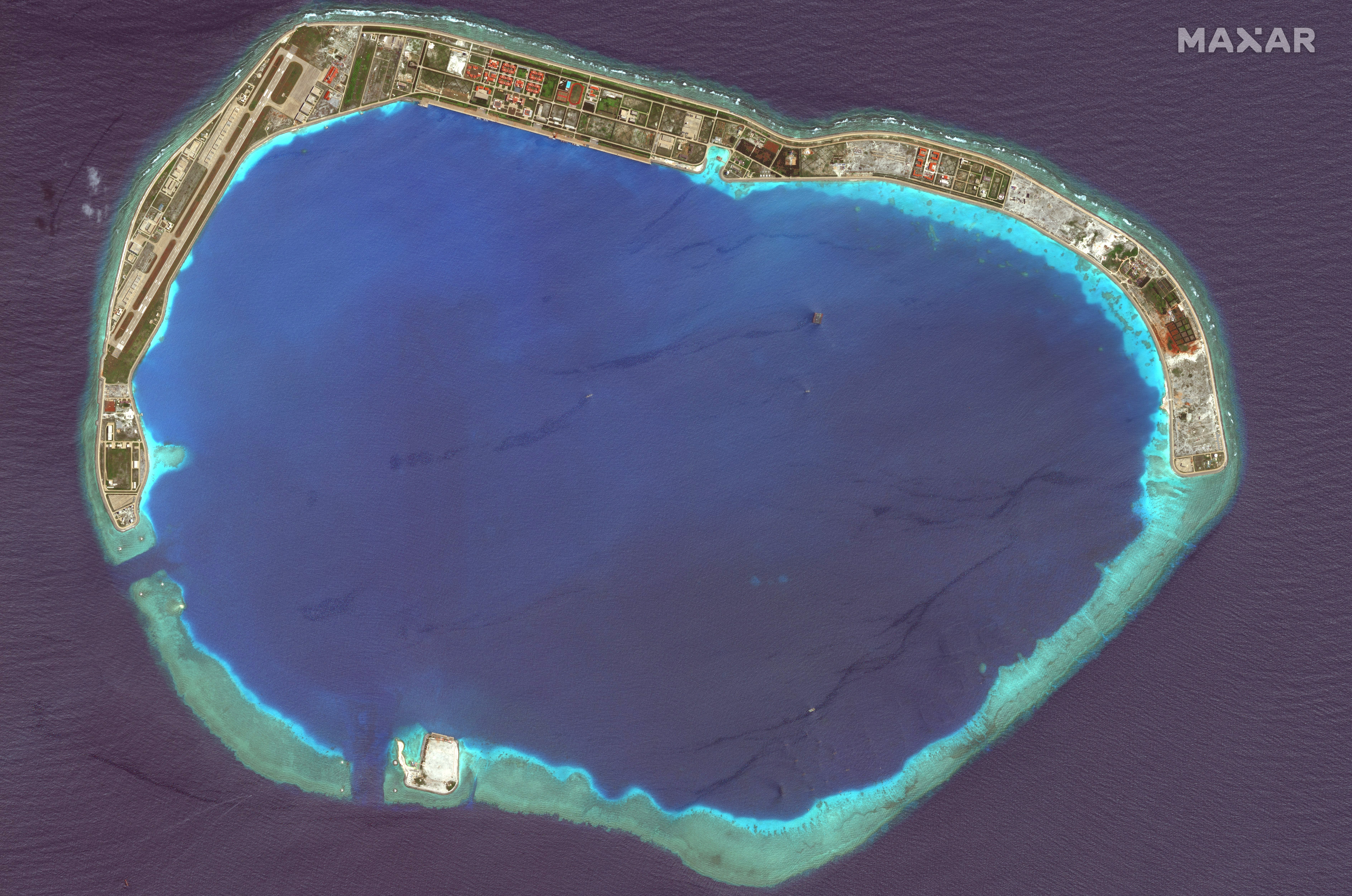
Beijing has dramatically expanded its military infrastructure across the South China Sea, constructing extensive bases on Mischief Reef. New satellite imagery indicates the presence of runways capable of supporting nuclear bombers, alongside substantial military installations.
Massive Scale of Construction
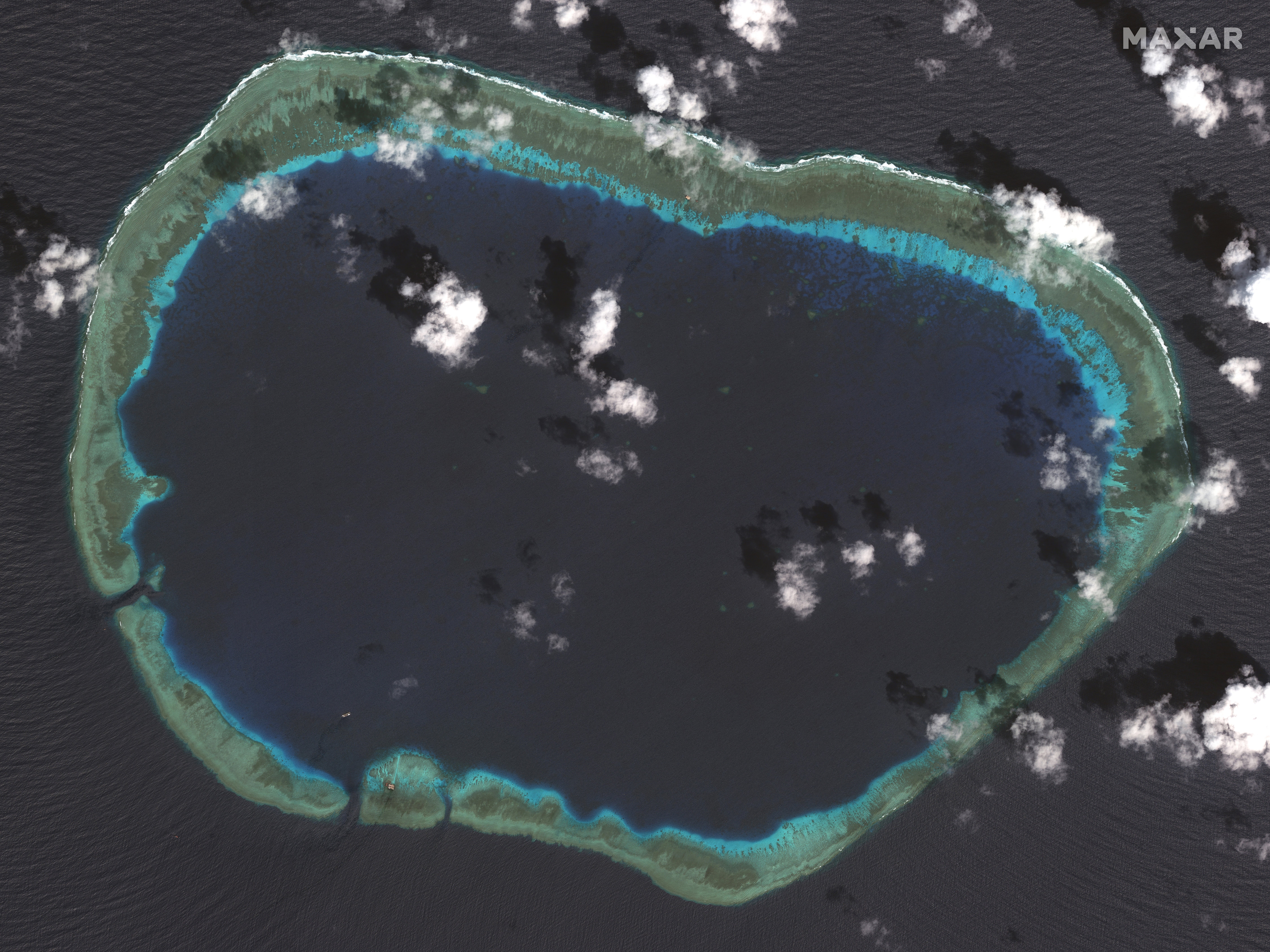
The Asia Maritime Transparency Initiative (AMTI) has documented a sprawling network of military facilities on Mischief Reef, covering approximately 3,200 hectares. This includes runways, missile shelters, extensive aircraft hangars, and significant radar and communication equipment.
The scale of China’s island-building and militarization in the South China Sea continues to be a major concern for regional stability. https://t.co/V7TzJv0c2e #SouthChinaSea #China #ASEAN
— World News Today (@WorldNewsToday) May 6, 2025
Gregory Poling, director of the AMTI, described the development, stating:
“They include harbours, large runways, more than 72 fighter jet hangars across the three big island bases, surface-to-air missile and anti-ship cruise missile emplacements, and a lot of radar, sensing and communications infrastructure.”
—Gregory Poling, Director of the Asia Maritime Transparency Initiative
These advancements are part of a broader trend, with China now controlling 20 outposts in the Paracel Islands and seven in the Spratly Islands, four of which have been transformed into fully operational naval and air bases.
China’s Assertions and International Law
China asserts sovereignty over most of the South China Sea, a claim contested by Brunei, Indonesia, Malaysia, the Philippines, Taiwan, and Vietnam. A 2016 international tribunal ruling invalidated Beijing’s extensive claims under international law, a decision China has not accepted.
Beijing maintains its military build-up is a defensive measure to protect its sovereign rights amidst regional opposition.
According to the Council on Foreign Relations, the United States conducts Freedom of Navigation Operations (FONOPs) in the region approximately twice a year to challenge what it considers excessive maritime claims (CFR, 2025).
Rapid Transformation of Atolls
Poling highlighted the speed of the construction, noting that these bases are “the quickest example of mass dredging and landfill in human history.”
Bomber Deployments Signal Enhanced Capabilities
In May, China deployed two of its advanced H-6 bombers to Woody Island in the Paracel Islands. This marked the first visible deployment of these particular bombers since 2020, indicating Beijing’s growing military reach.
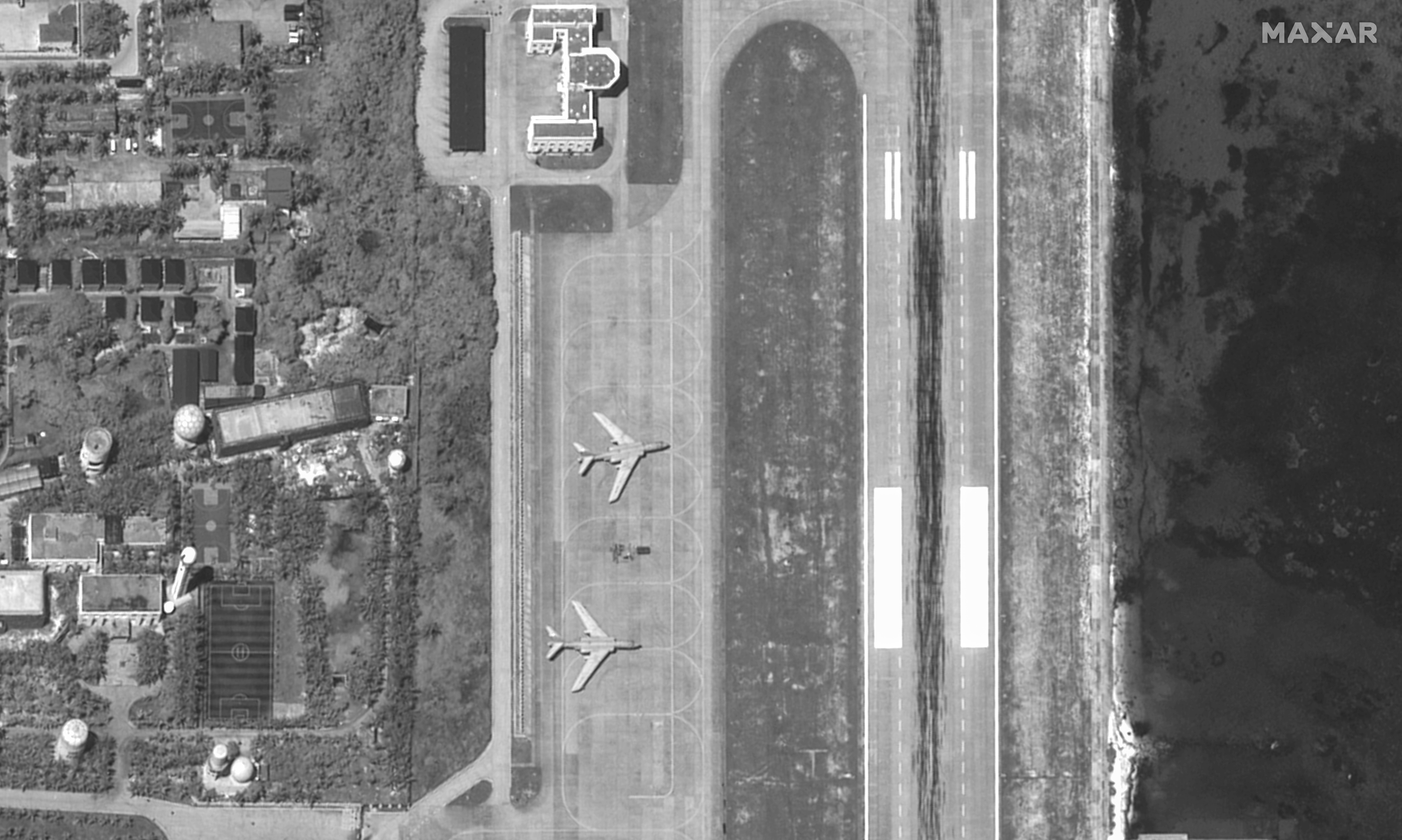
Collin Koh, a defence scholar at Singapore’s S. Rajaratnam School of International Studies, commented on the significance of these deployments:
“China’s long-range bombers don’t need to be on the Paracels so it does appear to be omni-directional signalling by Beijing against the Philippines and against the US and other things that are going on.”
—Collin Koh, Defence Scholar at Singapore’s S. Rajaratnam School of International Studies
The H-6 bombers, capable of projecting power across the region, have been observed in military exercises near Taiwan. Their positioning on the Paracels is seen as a strategic signal, potentially aimed at deterring regional rivals and demonstrating China’s expanding military posture.
