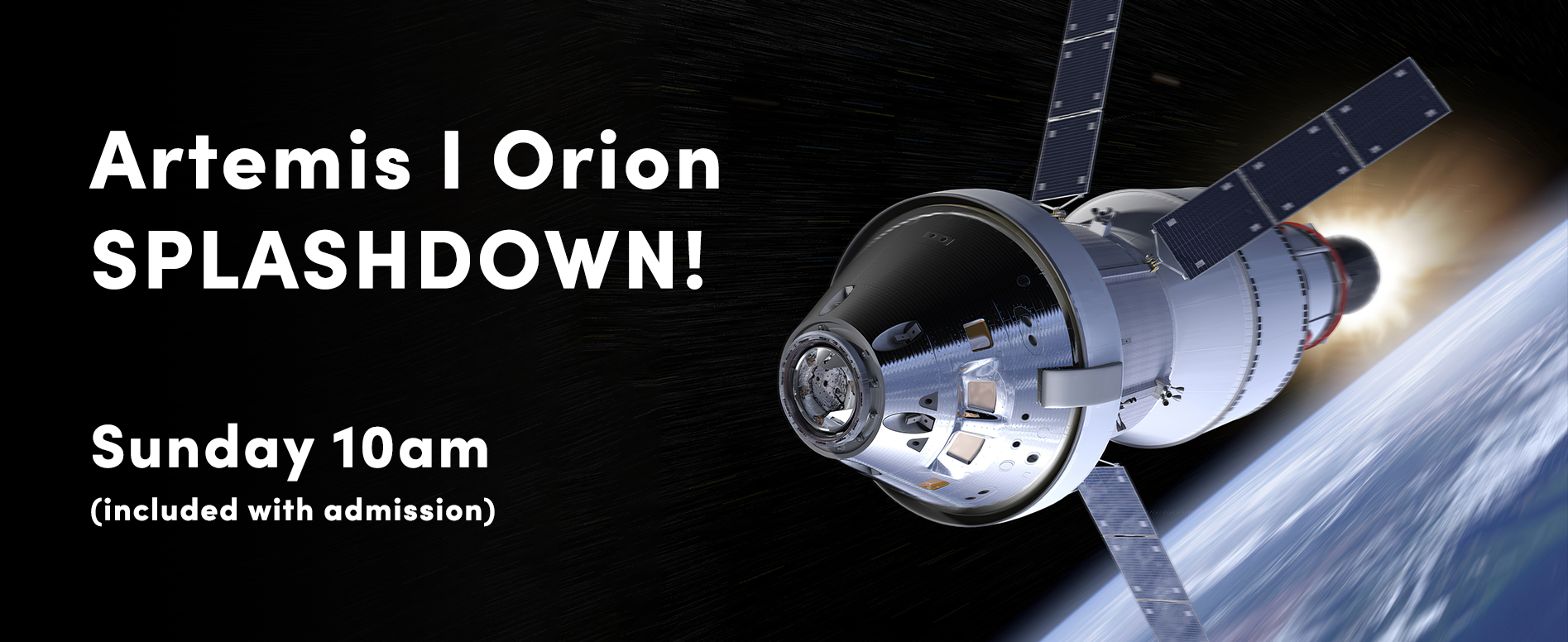
San Diego Space Fans Watch Artemis II Splashdown
NASA’s Artemis II crew—Commander Reid Wiseman, Pilot Victor Glover, and Mission Specialists Christina Koch and Jeremy Hansen—successfully splashed down off the coast of San Diego on April 10, 2026. Returning from a 10-day moon mission, the crew landed at 5:07 p.m. PT, completing the farthest human journey from Earth in history.
The atmosphere in Southern California was electric. On the beaches of San Diego, space enthusiasts gathered in massive crowds, eyes glued to screens and the horizon, waiting for a glimpse of the Orion capsule. The tension was palpable, a collective breath held by millions as four humans plummeted toward Earth from the void of deep space.
It was a return that defied traditional propulsion. The crew spent their final four days using Earth’s own gravity to “slingshot” back home, a natural pull that negated the need for heavy fuel consumption. But the grace of the approach vanished the moment they hit the atmosphere.
The Orion capsule ripped through the sky at 24,000 mph—more than 30 times the speed of sound. This friction transformed the air around the craft into a fireball roughly half as hot as the surface of the sun. For those along the coast, the arrival wasn’t a visual spectacle, but an auditory one. A massive sonic boom rattled windows across San Diego County, a violent reminder of the physics required to bring humans back from the lunar vicinity.
This reentry was more than a routine landing; it was a critical engineering test. During the 2022 NASA Artemis I mission, the heat shield suffered unexpected chipping in over 100 spots. To mitigate this risk for the crew, engineers implemented a new, more direct reentry technique. The success of this maneuver ensures that future missions to the lunar surface can do so without the looming threat of structural failure during the most dangerous phase of the flight.
“The ship will be positioned anywhere from 50 to 100 miles off the coast in a westerly direction. It’d be difficult for people to see from land.”
Jesus Uranga, a public affairs officer with the U.S. Third Fleet, provided clarity on the recovery logistics. Whereas the crowds on the beach were hopeful, the actual splashdown occurred 50 to 60 miles west of the city. The U.S. Navy deployed the USS John P. Murtha as the primary recovery vessel. Within two hours of the water landing, the crew was transferred to the ship before being flown to Naval Air Station North Island and eventually to the Johnson Space Center in Houston.
The scale of this event created an immediate logistical surge for the region. From the watch parties at the Fleet Science Center in Balboa Park to the sudden influx of global media, San Diego’s infrastructure faced a momentary but intense pressure. When historic events of this magnitude occur, the ripple effect on local commerce is significant. Local businesses and municipal bodies often discover themselves scrambling to manage the crowds, leading many to seek out professional event planners to handle the surge in public gatherings and safety protocols.
The economic impact extends beyond the immediate weekend. The “Artemis effect” is expected to boost San Diego tourism for months, as the city now holds a permanent place in the history books as the gateway for the first humans to orbit the moon in over half a century. This sudden shift in regional visibility often prompts local hospitality groups to consult with tourism consultants to capitalize on the increased international interest in the city’s aerospace and maritime ties.
The crew’s composition added a layer of local pride. Pilot Victor Glover, a Southern California native, represented the region on a global stage. His journey from the local coast to the farthest reaches of human travel serves as a powerful catalyst for STEM education in the region.
However, the logistical complexity of coordinating between the USA Today reported recovery zones and the strict security of Naval Base Coronado highlights the necessity of precision timing. The movement of high-value assets and personnel from a warship to a military air station requires seamless coordination. For private sector firms looking to emulate this level of precision in their own supply chains, partnering with vetted logistics and transportation firms is the only way to ensure zero-failure operations.
As we gaze forward, the Artemis II mission is not an end, but a blueprint. The data gathered from the heat shield’s performance and the crew’s physiological response to deep space will dictate the timeline for the first human landing on the lunar south pole. The world watched a splashdown in San Diego, but what they actually witnessed was the validation of a new era of interplanetary transit.
The sonic boom that shook San Diego on April 10 was more than a noise; it was the sound of a barrier breaking. We are no longer a species that merely visits the moon; we are becoming a species that knows how to return from it safely. As the Artemis program evolves, the intersection of government aerospace initiatives and local municipal support will only grow more complex. Those who can navigate the legal and logistical minefields of these massive public-private partnerships will be the ones leading the next frontier. For those seeking the expertise to manage the fallout and opportunities of such global events, the World Today News Directory remains the definitive resource for connecting with verified professionals.