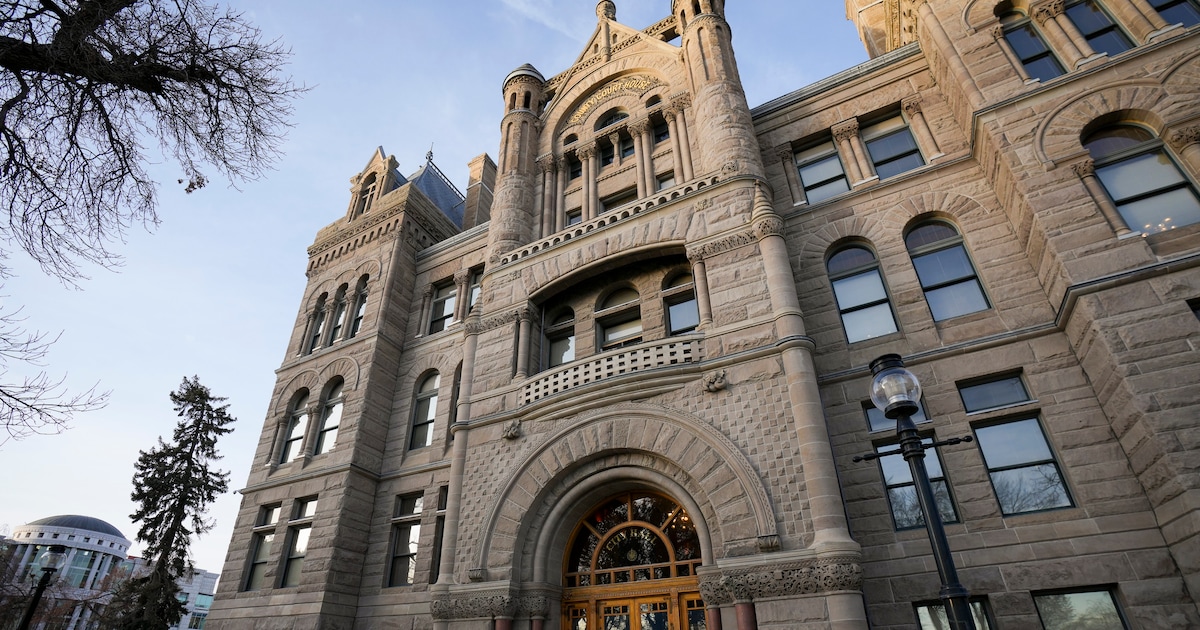
Salt Lake City Council Approves Triple or More Utility Impact Fee Hikes
New impact fees approved unanimously by the Salt Lake City Council will triple or more for new residential and commercial developments over the next two years, shifting growth costs away from current residents, sltrib.com reported. Despite the policy shift, city officials and documents confirm these one-time hook-up charges will not prevent future monthly utility bill increases for existing homeowners and businesses.
Utility Impact Fees Set to Triple Through 2028
Salt Lake City hasn’t raised its utility impact fees since 1999. Under the new schedule adopted by the City Council, a single-family home on a typical quarter-acre lot with a three-quarter-inch meter pipe will see water, sewer, and stormwater impact fees jump from $2,790 to $11,870. A commercial development spread over five acres with a 3-inch meter pipe will see fees climb from $43,158 to $165,105. These increases will phase in through mid-2028.
Inflation, rising construction costs, and the need to fund immense upgrades to water and sewer networks drove the Department of Public Utilities to propose the changes. Council Chair Alejandro Puy stated that leaving utility hook-up fees untouched for nearly three decades meant existing residents were subsidizing new development. Fellow west-side council member Victoria Petro called the increases both necessary and right.
Monthly Bills and Rising Debt Continue to Climb
The impact fee increases are entirely separate from the monthly water and sewer bills that climbed earlier this year alongside a 12.5% property tax hike. Those monthly charges increased to help pay off debt incurred for major facility improvements, including an $850 million overhaul of the 55-year-old water reclamation plant in Rose Park. A recent audit from the Utah Legislative Auditor General warned that the city’s current rate structure will fall short of covering more than $600 million in debts tied to the plant.
State auditors reported that the Department of Public Utilities is running in the negative with income versus debt payments. When fully implemented by mid-2028, the updated impact fees are expected to pump an additional $7 million a year into the water fund, $5.5 million into the sewer fund, and $2.25 million into the stormwater budget. However, city documents state that this revenue will not prevent or reduce the need for future utility rate increases.

Developers Warn Fee Hikes Complicate New Projects
Real estate developers and housing providers warn that the sharp fee hikes will complicate new projects. Former Salt Lake County mayor and real estate developer Peter Corroon called a 200% to 500% increase combined with new fees difficult to absorb, especially as monthly utility fees have also doubled. Property operators like Paul Svendsen, who runs a 20-unit affordable housing complex in the city, noted that multifamily property costs have doubled or tripled unexpectedly.
Supporters of the fee changes point to the vulnerable state of the city’s aging infrastructure. Anthony Washburn of the Poplar Grove Community Council pointed to an August 16 water main break that damaged 15 homes and displaced families as proof that deferred infrastructure investment is no longer tenable. State auditors have urged the city to explore alternative funding sources, such as a dedicated property tax or a special taxing district, to manage utility costs going forward.
Worth a look
- Japan pledges action after US Marine linked to killing
- Four teens killed in car and moped collision in Brandenburg, Germany
- Acosta! Ikebukuro features cosplayers from Zenless Zone Zero and Genshin Impact (archyde.com)
- Fed Minutes Signal Potential Further Rate Hikes as Officials Warn of Inflation (newsdirectory3.com)