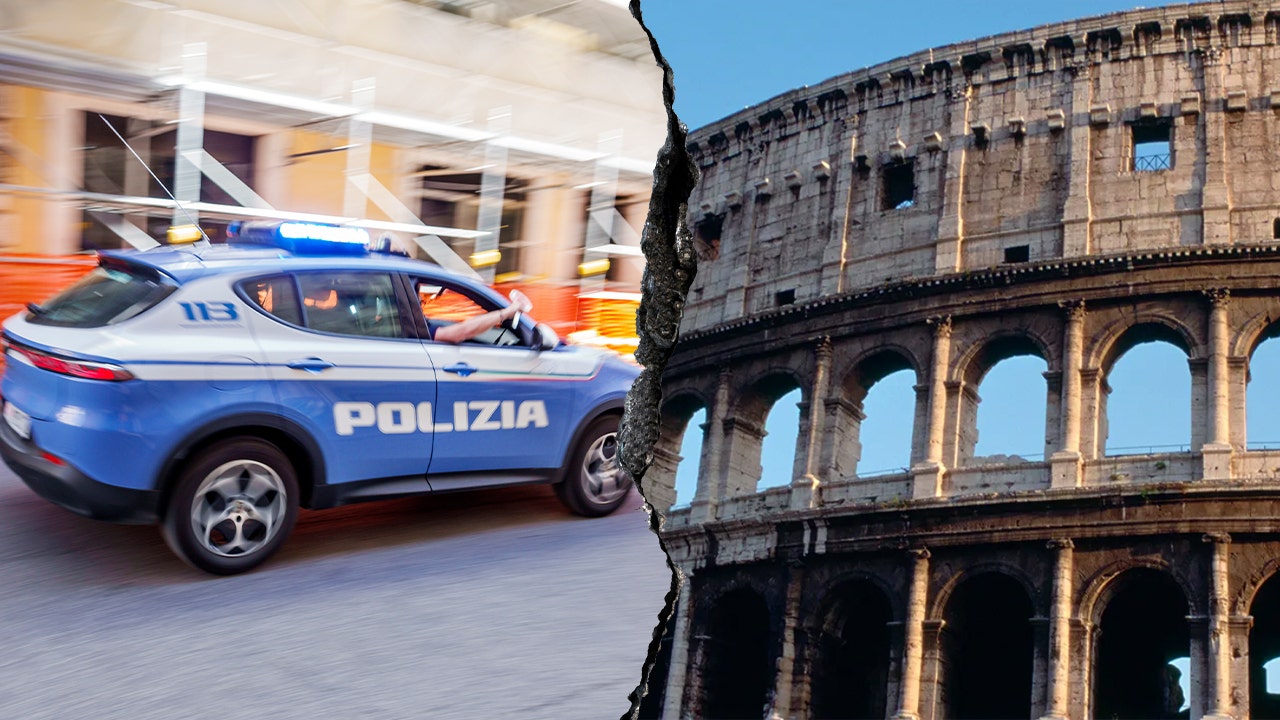
Rome Declares Colosseum a Red Zone Amid Crime Spike and Tourist Safety Concerns
Rome authorities declared a four-month security “red zone” around the Colosseum on August 24, deploying 24-hour local police and military patrols following a violent July clash involving approximately 50 people. According to Rome Prefect Lamberto Giannini, the enhanced-control measures aim to counter a resurgence of predatory crime, drug dealing, and public disorder driven by young non-EU nationals.
The July Clash and Escalating Security Pressures at the Amphitheater
Security concerns around the 1,946-year-old amphitheater reached a breaking point on July 1. According to official municipal orders, Rome Capital police officers responded to unauthorized gatherings and fireworks set off near the monument. A group of approximately 50 non-EU nationals resisted the officers, damaged municipal property, and surrounded local law enforcement in Piazza del Colosseo. The confrontation left two officers with minor injuries.

Italian news agency ANSA reports highlighted how the crowds used fireworks to distract potential victims. Local authorities documented frequent disturbances at Largo Gaetana Agnesi, a terrace overlooking the Colosseum situated above the Colosseo subway station, as well as the adjacent Colle Oppio park.
Infrastructure Expansion and the Urban Decay Dilemma
Municipal officials pointed directly to modern transit developments as an unintended catalyst for criminal activity. According to Lamberto Giannini, the opening of the Metro C station serving the Colosseum created a direct corridor between the historic center and neighborhoods in eastern Rome. The station, which opened in December 2025 as part of an $8.3 billion infrastructure upgrade, features a multi-floor underground museum showcasing historical artifacts. However, security planners noted that the transit link facilitates the movement of marginalized groups into tourist zones to prey on visitors and residents.

The newly designated red zone spans several key landmarks, including Piazza Venezia, Via dei Fori Imperiali, the Arch of Constantine, and Piazza del Campidoglio. Under the emergency ordinance, which runs through Christmas Eve, authorities retain the legal power to remove individuals who display violent, threatening, or persistently disruptive behavior. The order targets individuals previously reported within a five-year window for intentional crimes against people or property, specific drug offenses, weapons violations, or hate-crime aggravations.
Tourist Impact and the Wider Roman Security Landscape
Despite the constant presence of armed military personnel stationed near barriers and checkpoints in camouflage, visitors continue to report opportunistic crimes. Janelle Triton, an American tourist visiting from Philadelphia, told CNN that she witnessed a pickpocketing incident outside the landmark shortly after law enforcement was alerted. We were told by our hotel not to come here at night though, so we have avoided the area.
To address similar urban flashpoints, authorities expanded a separate security zone in the Esquilino district. That measure covers streets surrounding Rome’s main Termini train station and the Basilica of Santa Maria Maggiore, where crowds have swelled following the burial of Pope Francis.
As the December 24 expiration date for the Colosseum red zone approaches, prefectural authorities expect to release a comprehensive impact assessment detailing the operational efficacy of 24-hour patrols. Until then, the balance between preserving open access to world heritage sites and maintaining strict public order remains a central challenge for municipal leadership.