
Global Warming Intensifies Sleep Apnea crisis, Threatening Health and Economy
Table of Contents
- Global Warming Intensifies Sleep Apnea crisis, Threatening Health and Economy
- The Link Between Rising Temperatures and Sleep Apnea
- The Widespread impact of Sleep Apnea
- Study Methodology and Findings
- Future Projections and Mitigation Strategies
- Key Findings: The Impact of Global Warming on Sleep Apnea
- What Can Be Done?
- Evergreen Insights: Understanding Sleep apnea and Climate Change
- Frequently Asked Questions About Sleep Apnea and Global Warming
health and economic impacts.">
Global warming is set to significantly worsen sleep apnea, leading to increased health problems and economic strain worldwide, according to sleep experts at Flinders University. A recent study published in Nature Communications indicates that rising temperatures exacerbate obstructive sleep apnea (OSA), potentially doubling its societal burden in most countries within the next 75 years.
The Link Between Rising Temperatures and Sleep Apnea
The groundbreaking study, led by Dr.Bastien Lechat from FHMRI Sleep Health, is the first to comprehensively outline how global warming is expected to affect breathing during sleep and its subsequent impact on global health, wellbeing, and economies.
Dr.lechat stated, “This study helps us understand how environmental factors like climate might affect health by investigating whether ambient temperatures influence the severity of OSA.”
Did You Know? Higher temperatures were associated with a 45% increased likelihood of experiencing OSA on any given night.
Notably, the study found regional variations, with European countries experiencing higher rates of OSA with rising temperatures compared to Australia and the United States, possibly due to differences in air conditioning usage.
The Widespread impact of Sleep Apnea
Sleep apnea, a condition characterized by disturbed breathing during sleep, affects nearly 1 billion people globally. Untreated or severe OSA can elevate the risk of serious health conditions, including dementia, Parkinson’s disease, hypertension, cardiovascular disease, anxiety, depression, and even increase the risk of traffic accidents [[1]].
The economic burden is also significant. In Australia alone, the economic cost associated with poor sleep, including sleep disorders like OSA, is estimated at $66 billion annually.
Study Methodology and Findings
Researchers analyzed sleep data from over 116,000 individuals worldwide, utilizing an FDA-cleared under-mattress sensor to assess OSA severity. The sensor recorded approximately 500 nights of data per user, which was than correlated with detailed 24-hour temperature facts from climate models.
Health economics modeling, using disability-adjusted life years (DALYs), a metric employed by the World Health Organization (WHO) [[2]], quantified the societal burden resulting from increased OSA prevalence due to rising temperatures under various climate scenarios.
According to Dr. Lechat, the increase in OSA prevalence in 2023 due to global warming was associated with a loss of approximately 800,000 healthy life years across the 29 countries studied. This impact is comparable to other significant medical conditions like bipolar disorder, parkinson’s disease, or chronic kidney diseases.
The estimated total economic cost was approximately $98 billion USD, comprising $68 billion from wellbeing loss and $30 billion from workplace productivity loss.
Pro Tip: Maintaining a healthy sleep environment, including optimal temperature and humidity, can help mitigate the effects of rising ambient temperatures on sleep apnea.
Future Projections and Mitigation Strategies
The study’s findings underscore the urgent need for policy action to mitigate global warming,as the OSA burden could double by 2100 due to rising temperatures. Senior researcher Professor Danny Eckert noted that the study, while extensive, was skewed towards high socio-economic countries, potentially underestimating the true health and economic costs.
the research emphasizes the importance of developing effective interventions for diagnosing and managing OSA. Increased diagnosis and treatment rates can help manage and reduce the adverse health and productivity issues caused by climate-related OSA.
Future research will focus on strategies to reduce the impact of ambient temperatures on sleep apnea severity and investigate the physiological mechanisms connecting temperature fluctuations to OSA severity.
Key Findings: The Impact of Global Warming on Sleep Apnea
| Metric | Impact |
|---|---|
| Increased OSA Likelihood | 45% increase with higher temperatures |
| healthy Life Years Lost (2023) | 800,000 across 29 countries |
| total Economic Cost | $98 billion USD |
| Potential Increase in OSA Burden | Double by 2100 |
What Can Be Done?
Addressing the escalating sleep apnea crisis requires a multi-faceted approach. This includes promoting energy-efficient solutions to combat global warming, improving access to sleep apnea diagnosis and treatment, and raising public awareness about the link between climate change and sleep health.
what steps can individuals take to mitigate the impact of rising temperatures on their sleep quality? How can governments and organizations collaborate to address this growing global health challenge?
Evergreen Insights: Understanding Sleep apnea and Climate Change
Sleep apnea is a common sleep disorder characterized by pauses in breathing or shallow breaths during sleep. These interruptions can lead to reduced oxygen flow to the brain and body,resulting in various health complications. The prevalence of sleep apnea has been increasing over the years, influenced by factors such as obesity, aging, and now, climate change.
Climate change, driven by greenhouse gas emissions, is causing a rise in global temperatures and more frequent extreme weather events. These environmental changes not only impact ecosystems but also have direct and indirect effects on human health, including sleep patterns and respiratory conditions.
Frequently Asked Questions About Sleep Apnea and Global Warming
- How does global warming contribute to sleep apnea?
- Rising temperatures can exacerbate sleep apnea by affecting respiratory function and sleep patterns. Higher ambient temperatures can lead to increased inflammation and airway constriction, making it more tough to breathe during sleep.
- What are the primary symptoms of obstructive sleep apnea (OSA)?
- Common symptoms of OSA include loud snoring,pauses in breathing during sleep,excessive daytime sleepiness,morning headaches,and difficulty concentrating.
- How is sleep apnea typically diagnosed?
- Sleep apnea is usually diagnosed through a sleep study, either in a sleep lab (polysomnography) or at home with a portable monitoring device.
- What are the standard treatment options for sleep apnea?
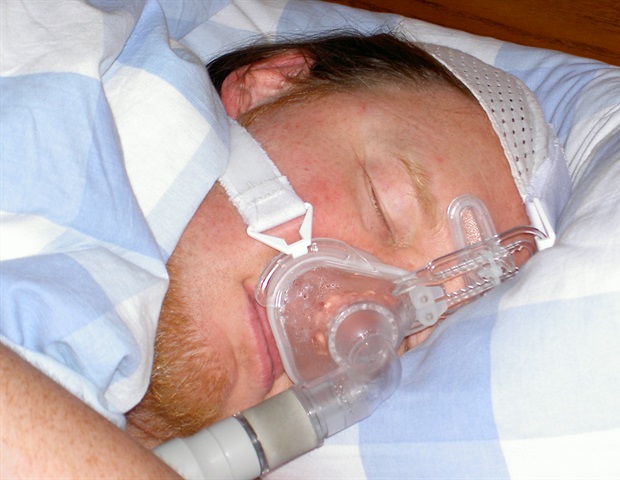
- The most common treatment for sleep apnea is continuous positive airway pressure (CPAP) therapy, which involves wearing a mask that delivers pressurized air to keep the airways open during sleep.Other treatments include oral appliances, lifestyle changes, and, in certain specific cases, surgery.
- Can lifestyle changes help manage sleep apnea?
- Yes, lifestyle changes such as weight loss, regular exercise, avoiding alcohol and sedatives before bed, and sleeping on your side can definitely help manage sleep apnea symptoms.
- What is the long-term impact of untreated sleep apnea?
- Untreated sleep apnea can lead to serious health complications, including high blood pressure, heart disease, stroke, type 2 diabetes, and an increased risk of accidents.
- How can I reduce my risk of climate-related sleep apnea?
- You can reduce your risk by supporting policies that address climate change,using energy-efficient cooling methods,and maintaining a healthy sleep environment.
disclaimer: This article provides general information and should not be considered medical advice.Consult with a healthcare professional for diagnosis and treatment of sleep apnea.
Share this article and join the conversation! What are your thoughts on the link between climate change and sleep disorders? Subscribe to World Today News for more updates on global health and environmental issues.
