Research Links Late-Night Snacking to Higher Risk of Liver Disease and Cirrhosis
“We know the liver is very much in tune with the body’s circadian rhythms,” said Dr. Robert Wilechansky, a hepatologist at Oregon Health and Science University.
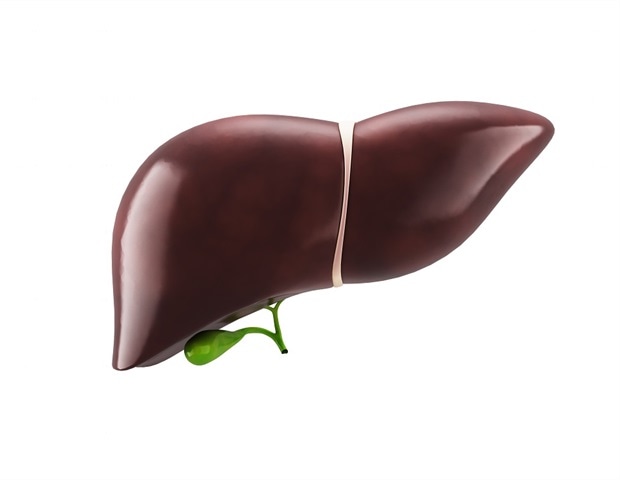
Eating after dinner or consuming food after bedtime is associated with a significantly higher risk of metabolic dysfunction-associated steatotic liver disease and cirrhosis, according to research published in the journal Clinical Gastroenterology and Hepatology.
- New research published in Clinical Gastroenterology and Hepatology links late-night eating directly to heightened risks of fatty liver disease and cirrhosis.
- An analysis of nearly 200,000 participants across three nationwide datasets found a 20% to 30% increase in all forms of liver disease among late-night eaters.
- Investigators note that consuming calories while the internal biological clock promotes sleep impairs the body’s ability to metabolize food efficiently.
Late-Night Eating Increases Risk of Liver Disease
To investigate whether meal timing impacts liver pathology, researchers examined preexisting nationwide data extracted from the Nurses’ Health Study, the Nurses’ Health Study II, and the Health Professionals Follow-up Study. By evaluating self-reported diet and lifestyle habits from almost 200,000 participants, the investigative team searched for direct correlations between late-night eating behaviors—categorized as eating after dinner or after bedtime—and the presence of liver conditions. The analysis uncovered a 20% to 30% increase in all forms of liver disease among individuals who reported late-night dining compared to those who abstained from evening eating.
Dr. Wilechansky emphasized that while the findings establish a concerning correlation, only a small fraction of individuals who develop fatty liver disease progress to more severe manifestations like cirrhosis. Even so, the clinical takeaway suggests that confining daily caloric intake to several hours before bedtime may offer protective health benefits.
Night Eating Reduces Metabolic Efficiency
The research builds upon a growing body of evidence highlighting how the human body clock dictates metabolic efficiency. Dr. Andrew McHill, an associate professor and sleep and circadian physiologist at OHSU who co-authored the study, noted that eating during the night—when the internal biological clock actively promotes sleep—reduces the body’s metabolic efficiency. This circadian mismatch can ultimately pave the way for obesity, diabetes, and compromised liver health. Animal models previously demonstrated that the liver is among the organs most vulnerable to timing misalignments between food consumption and sleep cycles.
Night shift workers, who routinely experience circadian disruption, exhibit elevated rates of obesity and heart disease. Investigators are now seeking to determine whether modifying meal timing alone—without altering the nutritional composition of the food consumed—can positively impact underlying fatty liver disease.
Because the published findings rely on observational data and broadly defined self-reporting, researchers view the study as a foundational starting point rather than a definitive final word. To test these associations under controlled conditions, Dr. Wilechansky and a team at OHSU are actively recruiting participants for a new clinical study. This prospective trial will directly monitor eating behaviors and evaluate whether shifting calorie consumption to earlier hours improves clinical biomarkers of fatty liver disease.
Earlier research identified distinct behavioral intersections, such as the finding that individuals grappling with stress who also indulge in late-night snacking may deliver a combined double hit to gut health and significantly increase bowel problem risks, as reported by US researchers analyzing data from over 11,000 participants in the National Health and Nutrition Examination Survey.
As investigators work to isolate the precise mechanisms connecting nocturnal eating patterns to hepatic morbidity, patients evaluating persistent metabolic concerns or changes in liver function are encouraged to consult qualified hepatologists or gastroenterologists for personalized diagnostic evaluation and clinical guidance.
Disclaimer: The information provided in this article is for educational and scientific communication purposes only and does not constitute medical advice. Always consult with a qualified healthcare provider regarding any medical condition, diagnosis, or treatment plan.