100 Million Americans May Benefit From New Liver Disease Enzyme Study
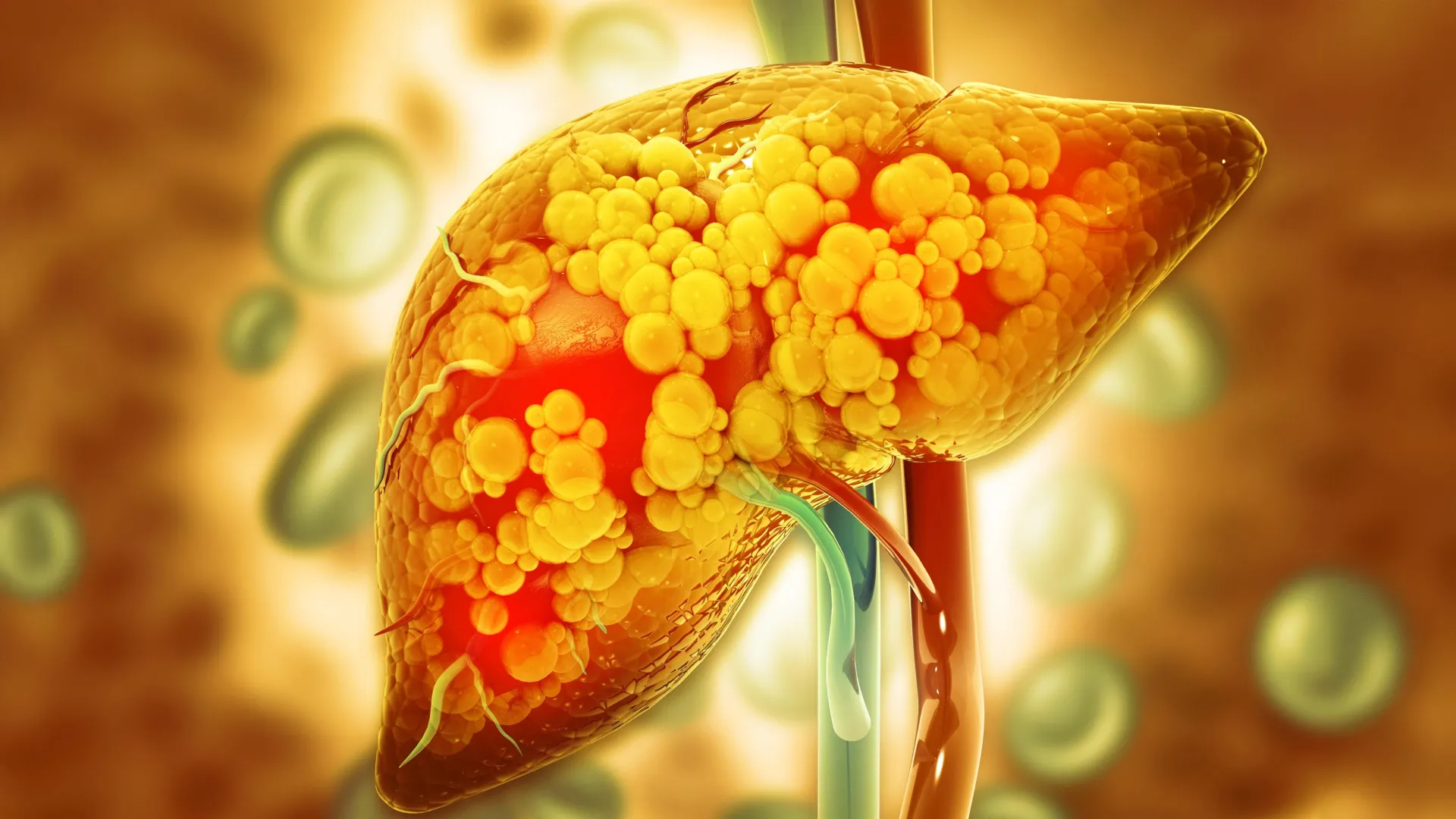
Researchers co-led by Cedars-Sinai Health Sciences University have identified a specific enzyme that may help protect liver cells from the damage associated with the progression of metabolic dysfunction-associated steatotic liver disease (MASLD). Published in the journal Nature Metabolism, the findings suggest that the enzyme, known as UBE2N, plays a critical role in maintaining mitochondrial health and facilitating the breakdown of fat within the liver.
Key Clinical Takeaways:
- UBE2N enzyme levels decline as metabolic dysfunction-associated steatotic liver disease becomes more advanced, leading to increased cell injury and inflammation.
- Restoring UBE2N levels in preclinical models significantly reduced liver scarring, fat accumulation, and inflammation.
- The research establishes a potential new therapeutic target for preventing the transition from MASLD to the more severe metabolic dysfunction-associated steatohepatitis (MASH).
The Prevalence and Progression of Liver Disease
An estimated 100 million people in the United States currently live with MASLD, according to data from the American Liver Foundation. While many individuals remain in the early stages of the condition, approximately 20% to 25% of affected patients progress to metabolic dysfunction-associated steatohepatitis (MASH). This advanced stage is characterized by inflammation, cellular damage, and scarring, which can eventually lead to liver failure. Currently, no cure exists for MASH, and clinical care mainly centers on lifestyle changes and efforts to limit additional liver damage.
The Protective Role of the UBE2N Enzyme
The study identifies a biological mechanism behind the worsening of the disease. Researchers found that levels of the UBE2N enzyme decrease as the disease becomes more advanced. When levels of the enzyme fell, more damaged cells and injury to the liver were observed.
Experimental Restoration of Liver Function
To test the therapeutic potential of the enzyme, investigators restored UBE2N to normal levels in the livers of laboratory mice. The results showed a reduction in pathological markers, including fat accumulation, inflammation, and scarring. This suggests that stabilizing or enhancing the UBE2N pathway could serve as a protective strategy to prevent the advancement of the disease in human patients.
Support and Funding for the Research
The research was a multicenter effort involving a broad team of investigators from Cedars-Sinai and other international institutions. The study received support from several organizations, including the National Research Foundation of Korea (grant nos. RS-2025-02273102 and RS-2025-02603096) and the Regional Innovation System & Education (RISE) programme of Chungbuk. Additional funding was provided by the National Institutes of Health (grant nos. R01DK085252, R01DK138591 and R01CA301632), the Pinnacle Research Award of the American Association for the Study of Liver Diseases (AASLD), the San Diego Digestive Diseases Research Center (SDDRC) Pilot/Feasibility Grant (NIDDK P30 DK120515), and the National Natural Science Foundation of China (grant no. 82404726).
Clinical Management of Liver Health
Patients currently managing metabolic liver conditions face challenges due to the limited treatment options available.
Disclaimer: The information provided in this article is for educational and scientific communication purposes only and does not constitute medical advice. Always consult with a qualified healthcare provider regarding any medical condition, diagnosis, or treatment plan.