
Red sea Cable Cuts Disrupt Internet, Highlighting Global Vulnerability
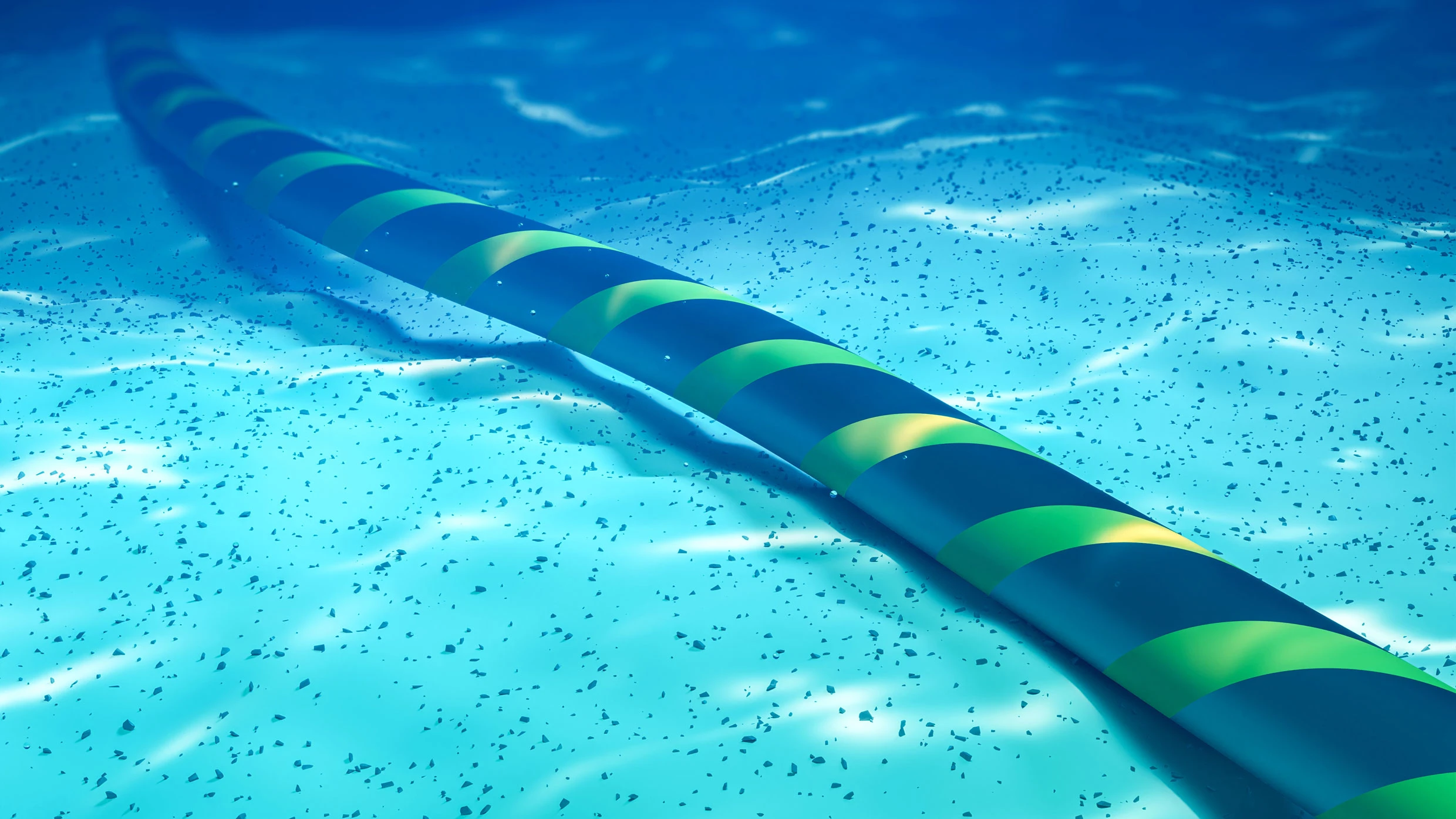
SANAA, YEMEN – recent damage to critical undersea internet cables in the Red Sea is causing notable disruptions to connectivity in the region and beyond, exposing a critical vulnerability in the infrastructure that underpins the global internet. The cuts, believed to be caused by anchor dragging from ships, are exacerbating existing issues stemming from ongoing conflict off the coast of Yemen and are prompting renewed focus on alternative internet delivery systems.
The incident underscores the fragility of the largely unseen network of subsea cables that carry 99% of international data traffic. While cable cuts are not uncommon - as many as 200 incidents are reported annually - repairs are proving particularly challenging in this instance due to the volatile security situation in the area. This disruption is fueling interest in satellite internet services as a potential backup, though significant limitations remain.
The damaged cables are vital arteries of the digital world, and their disruption impacts data flow between Europe, Asia, and africa. Experts warn that the practise of anchoring in shallow waters near these cables presents an ongoing risk. “When you have a lot of ships dropping a lot of anchors in shallow water, it’s just a recipe for disaster,” says Doug Madory, a network analyst at Manning Research.
Repair efforts are underway, but the location off the coast of Yemen, where conflict involving the Houthis is prevalent, is slowing progress. The incident is accelerating consideration of alternatives to reliance on subsea cables. Satellite internet, particularly services like Starlink, which Ukraine has utilized to circumvent Russian sabotage, is gaining traction. Competitors like Project Kuiper and Eutelsat OneWeb are also rapidly expanding.
Starlink has already secured over six million subscribers globally and serves as a crucial connectivity option in regions like sub-Saharan Africa when terrestrial networks fail. The theory is that outages like those in the Red Sea could accelerate adoption in markets prioritizing resilience, though the cost remains a barrier. Starlink kits cost several hundred dollars, and monthly fees are typically higher than local providers, limiting access for many.
Despite the growth of satellite services, they currently cannot match the capacity of fiber optic cables. Subsea cables can transmit three petabits of data per second, compared to the 150 terabits offered by satellites. Planned satellite launches aim to increase capacity to 800 terabits per second within the next three years, but for the foreseeable future, subsea cables will remain the backbone of the global internet.
