Proteomic Signatures for Menstrual Cycle Phase Prediction and Reproductive Biology
The human menstrual cycle has long been viewed through the narrow lens of reproductive hormones, yet a groundbreaking analysis reveals a far more complex systemic dialogue. New data indicates that the cycle triggers widespread shifts in the circulating proteome, affecting organ systems far beyond the reproductive tract.
Key Clinical Takeaways:
- Researchers identified 198 plasma proteins that fluctuate in distinct temporal patterns across the menstrual cycle.
- A new proteomic score, utilizing 75 specific proteins, can accurately predict the current phase of the menstrual cycle.
- These proteomic signatures are linked to the pathogenesis of gynecological disorders, including endometriosis and leiomyoma.
For decades, the clinical understanding of the menstrual cycle centered on the fluctuations of estrogen, progesterone, luteinizing hormone (LH), and follicle-stimulating hormone (FSH). While these hormones drive endometrial proliferation and ovulation, they are merely the conductors of a much larger molecular orchestra. The gap in medical knowledge has been the “systemic readout”—how these hormonal shifts translate into broader biological changes across the immune system, metabolism, and cardiovascular physiology.
Decoding the Systemic Proteomic Atlas
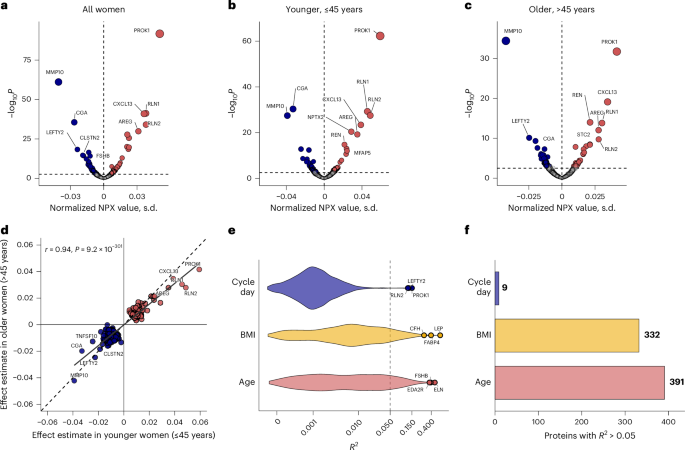
A comprehensive study published in Nature Medicine on April 13, 2026, has begun to bridge this gap. By analyzing nearly 3,000 circulating plasma proteins in a cohort of 2,760 women from the UK Biobank, researchers identified 198 proteins that vary significantly across the cycle. This analysis was made possible through the UK Biobank Plasma Proteomics Project (UKB-PPP), utilizing the Olink proximity extension assay—a high-throughput method that allows for the precise detection of low-abundance proteins in blood plasma.

These 198 proteins are not randomly distributed; they form distinct temporal patterns aligned with specific menstrual phases. The identified proteins include a diverse array of cytokines, growth factors, and reproductive hormones. Many of these are specifically enriched in endometrial tissue and expressed in epithelial and stromal cell types, proving that the blood plasma acts as a dynamic mirror reflecting the local physiological state of the uterus.
The menstrual cycle is accompanied by widespread changes in the circulating proteome, providing a systems-level atlas of menstrual cycle biology and informing biomarker discovery in women’s health.
Understanding these fluctuations is critical for patients who experience cyclical symptoms that defy simple hormonal explanation. For those struggling with chronic reproductive health issues, it is often necessary to consult with board-certified gynecologists who can integrate these systemic insights into a personalized care plan.
From Molecular Signatures to Clinical Pathology
The clinical utility of this research extends beyond basic biology into the realm of diagnostic pathology. The study found that several of the cycle-varying proteins are closely linked to common reproductive disorders. Specifically, these proteomic patterns correlate with the presence of endometriosis, leiomyoma (uterine fibroids), and abnormal uterine bleeding.
This suggests that the “proteomic signature” of a healthy cycle is altered in the presence of these diseases, potentially offering a new pathway for non-invasive screening. Rather than relying solely on imaging or invasive biopsies, clinicians may eventually use plasma protein profiles to gauge the severity or progression of these conditions. This shift toward molecular diagnostics requires a high degree of precision, often necessitating the use of advanced diagnostic laboratories capable of executing complex proteomic profiling.
The research further underscores that these changes are not isolated to the reproductive system. The fluctuations in cytokines and growth factors suggest that the menstrual cycle modulates immune function and cardiovascular physiology, creating a cyclical vulnerability or resilience in other organ systems.
The Metabolic Intersection and Predictive Scoring
The systemic nature of the cycle is further evidenced by the intersection of proteomics and metabolism. Complementary research published in BMC Medicine involving 8,694 regularly menstruating women from the UK Biobank highlighted non-linear associations between the menstrual cycle phase and key metabolites. This includes variations in glucose, triglycerides, and cholesterol levels (HDL and LDL), as well as the triglyceride to glucose (TyG) index.
These metabolic shifts are often modified by inflammatory markers and risk factors for metabolic disease, such as adiposity and cardiorespiratory fitness. When viewed alongside the Nature Medicine findings, a clearer picture emerges: the menstrual cycle is a whole-body event that alters both the proteins circulating in the blood and the way the body processes energy and lipids.
To synthesize this complexity into a usable clinical tool, the researchers developed a proteomic score based on 75 specific proteins. This score accurately predicts the menstrual cycle phase, offering a level of precision that surpasses traditional self-reporting or basic hormonal assays. Such a tool could revolutionize clinical trial design, allowing researchers to synchronize drug administration with specific biological phases to maximize efficacy and minimize morbidity.
As these biomarkers move toward clinical adoption, the role of the reproductive endocrinologist will become increasingly pivotal in interpreting these scores to optimize metabolic and reproductive health.
The Future of Phase-Specific Medicine
The identification of a plasma proteomic signature marks a transition from general gynecological care to “phase-specific” medicine. By recognizing that a woman’s systemic molecular profile changes every few days, healthcare providers can move away from a one-size-fits-all approach to treatment. This is particularly relevant for managing inflammatory responses and metabolic control, which the BMC Medicine data suggests are in constant flux.
While the current research provides a foundational atlas, the next step involves validating these 75-protein scores in diverse global populations to ensure the signature remains consistent across different ethnicities and health profiles. The integration of proteomic and metabolic data promises a future where women’s health is managed with the same molecular precision currently reserved for oncology or cardiology.
For patients and providers seeking to implement these emerging standards of care, identifying vetted specialists who stay abreast of peer-reviewed proteomic research is essential. Utilizing a professional medical directory to identify clinicians specializing in reproductive endocrinology and molecular diagnostics ensures that the transition from research to bedside is handled with scientific rigor.
Disclaimer: The information provided in this article is for educational and scientific communication purposes only and does not constitute medical advice. Always consult with a qualified healthcare provider regarding any medical condition, diagnosis, or treatment plan.