
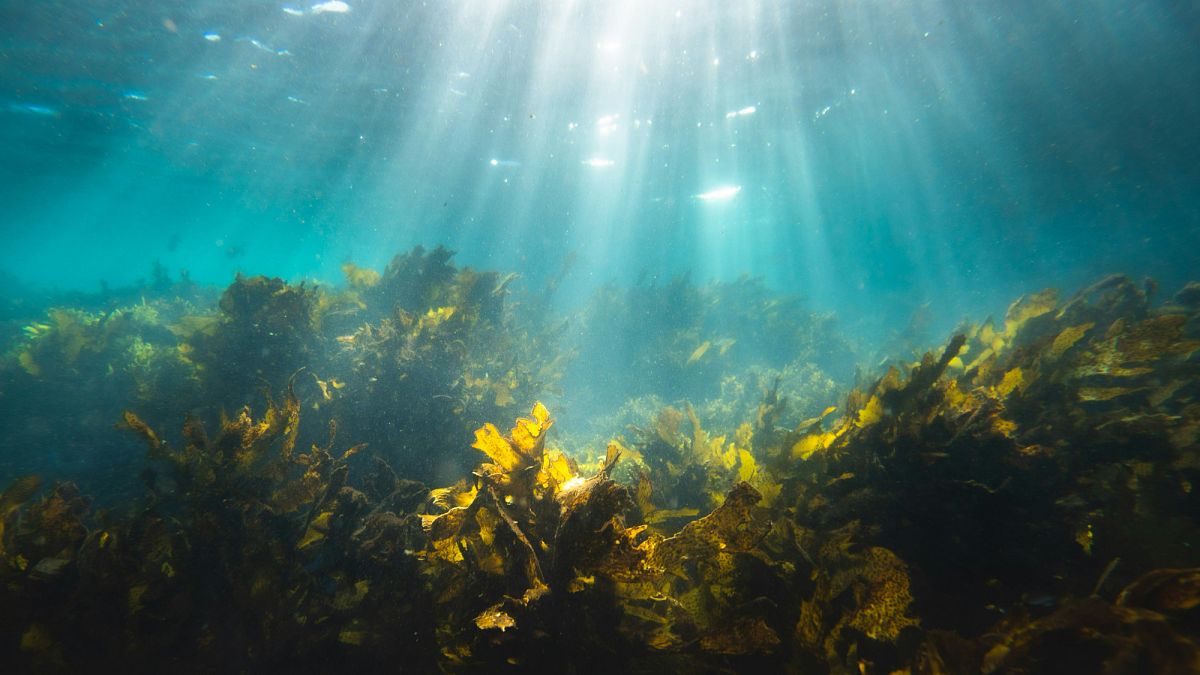
Portugal‘s Kelp Forests Revealed as Critically important Carbon Stores
Recent research has quantified the considerable carbon storage capacity of kelp forests along the northern coast of Portugal, highlighting their critical role in climate mitigation. A study co-led by francisco Arenas of CIIMAR, published recently, represents the first quantitative analysis of carbon reserves within these habitats, noting their “unique conditions for their development, and represent the southernmost frontier for some of the species found here.”
The comprehensive field research involved measuring the distribution, biomass density, growth patterns, and carbon composition of the kelp forests. The findings demonstrate these ecosystems store approximately 16.48 gigagrams (gg) of carbon across 5,189 hectares – an area equivalent to over 5,000 football fields.This represents 14 per cent of Portugal’s documented blue carbon inventory, previously focused on salt marshes and seagrass meadows.
“It was the first assessment of the value of blue carbon associated wiht kelp forests in Portugal,” stated Arenas. Despite their relatively modest global footprint, these seaweed forests can capture carbon on a scale comparable to, or exceeding, more extensive ecosystems.The study estimates they capture one-third of all carbon sequestered annually by Portugal’s marine plant habitats.
However, these valuable ecosystems are increasingly threatened by climate change. Scientists have detected a process of “tropicalisation” in Portuguese waters, driven by warming sea temperatures, which allows tropical and subtropical species to expand their range.This poses a risk to the biodiversity and ecological services provided by the kelp forests, including their ability to capture and store carbon.
Arenas emphasized that these forests are “often unknown and undervalued, despite their extremely crucial ecological and economic value on the north coast of Portugal.”
The research team advocates for the incorporation of kelp forests into marine protection and blue carbon frameworks at both national and international levels. They propose targeted policies for surveillance,protection,and potential restoration of these zones,particularly in light of the early stages of implementation of the European Union’s Nature Restoration Law. “With the European Union’s nature restoration Law in it’s early stages of implementation, it is urgent to develop and implement effective ecological restoration techniques, particularly in habitats that are highly vulnerable but also have high potential for providing ecosystem services, such as marine forests,” Arenas concluded.
