
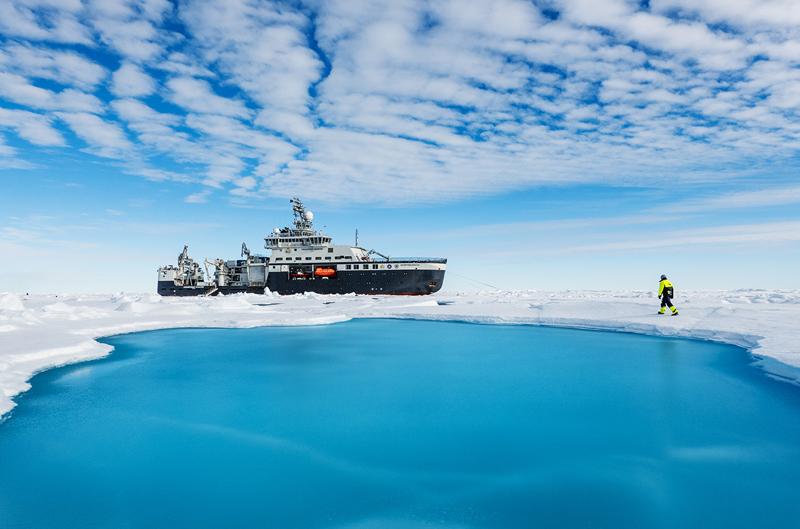
Preparations for the fifth International Polar Year (IPY-5), scheduled to begin in 2032, are facing significant headwinds as international cooperation in Arctic research is strained by geopolitical tensions, particularly Russia’s ongoing invasion of Ukraine. At a forum hosted by the University of the Arctic (UArctic) in October 2024, concerns were raised about the future of collaborative science in the region.
The UArctic forum, titled “The ‘Bear’ in the Room: How do we prepare for the future with Russia?”, was convened as part of the Next-Generation Science Diplomats Committee’s ongoing dialogue on science diplomacy. The session, conducted under Chatham House Rules to encourage open discussion, highlighted a growing anxiety among Arctic researchers about maintaining access to critical connections across national borders. Participants noted that Russia was included in the titles of only two out of over 250 sessions at the 2024 Arctic Circle Assembly, signaling a diminished presence in international discussions.
The war in Ukraine has directly impacted existing research initiatives and future planning for the IPY-5. According to a Facebook post from ScienceNOW, Russia’s invasion has “delayed or derailed international” Arctic climate research. This disruption builds on a history of collaborative efforts, including previous International Polar Years in 1882-83, 1932-33, 1957-58, and 1982-83, and a prior cooperative relationship with Russia, as noted in a report on science diplomacy in the polar regions.
The challenges extend beyond logistical disruptions. A recent article published by Cambridge Prisms: Coastal Futures, highlights the need for “planetary considerations” in the upcoming IPY-5, but acknowledges the current difficulties in engaging with Russia regarding Arctic security. The article, authored by Paul Arthur Berkman, points to the importance of the IPY-5 as a potential “global threshold” for international cooperation, but the current geopolitical climate casts doubt on the feasibility of broad participation.
The forum at UArctic also addressed the broader implications of limited engagement with Russia for the next generation of science diplomats. Participants expressed concern that the loss of cross-border connections could jeopardize future relations and hinder the advancement of research. The sensitivity of the topic, and the predominantly non-Russian composition of the attendees, underscored the complexities of navigating science diplomacy in a fractured international landscape.
Despite the obstacles, organizers are proceeding with plans for the IPY-5, recognizing its potential to address critical issues related to Arctic coastal-marine sustainability and climate change. Though, the future of the initiative remains uncertain, contingent on the resolution of conflicts and the restoration of trust among Arctic nations. No immediate plans for direct engagement with Russian scientists or institutions have been publicly announced.
