
Pizza Chains Face Sales Pressure from Pricing and GLP-1 Drugs, Data Shows
Major U.S. pizza chains are struggling to maintain sales as they deal with shifting consumer spending, increased competition from third-party delivery platforms, and changing dietary habits. While high-profile GLP-1 medications have been linked to reduced pizza consumption, industry data suggests broader economic pressures and pricing challenges are the primary drivers behind recent restaurant closures and declining revenues.
Industry-wide restaurant contraction
The U.S. pizza market has seen a steady decline in physical locations since reaching a peak of 83,035 in August 2019. According to data from Datassential, more than 9,600 pizzerias have closed their doors as of July 2026, CNBC reported.
This contraction coincides with a broader slowdown in the sector; Technomic data shows that sales at U.S. pizza restaurants fell 0.3% in 2025.
Market performance for major players has varied, though most have faced significant headwinds.
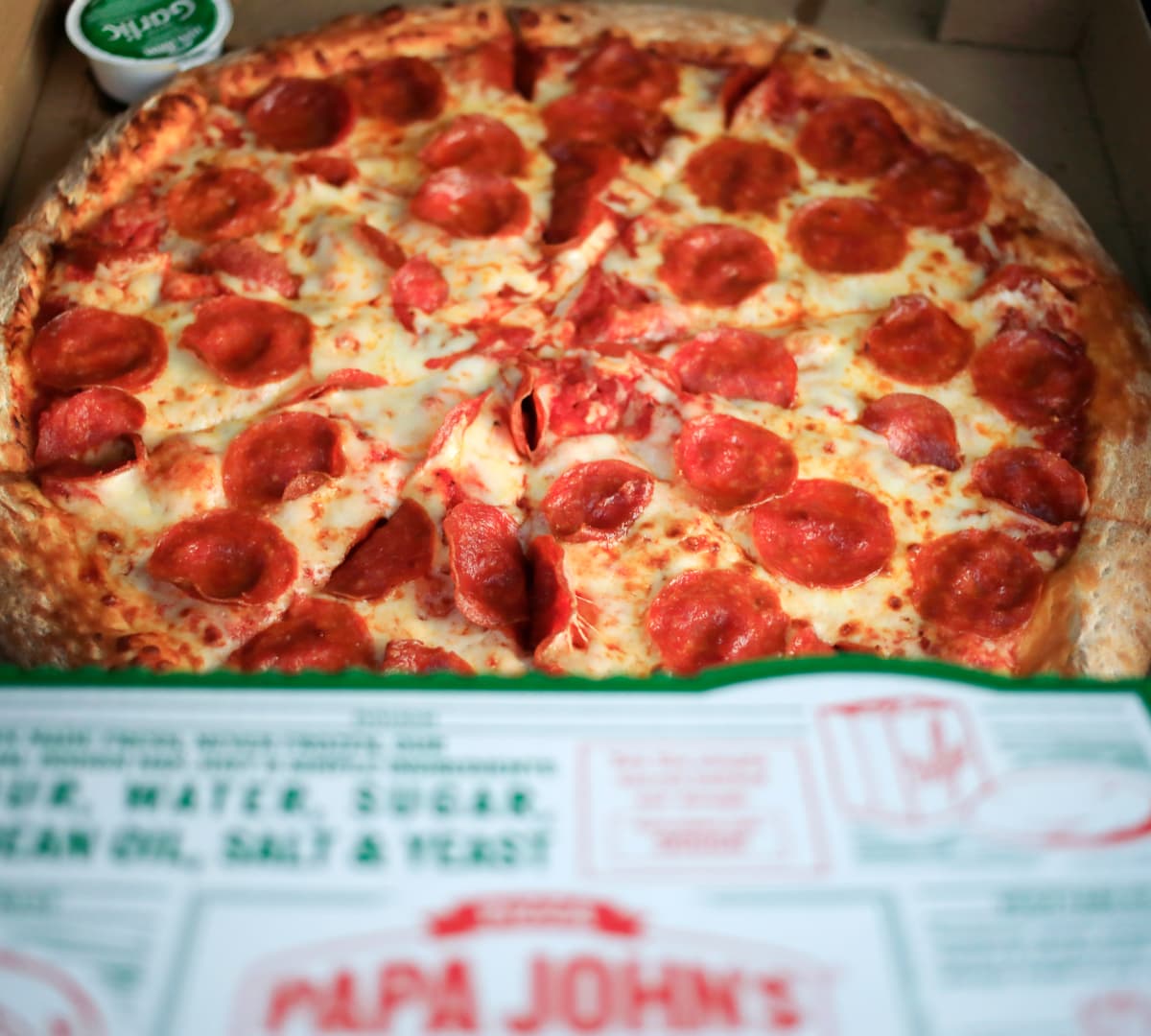
Domino's U.S. same-store sales grew 0.3% as ticket sizes fell
Recent financial data suggests that while customer traffic remains a focal point, the value of each order is shrinking. Domino’s reported U.S. same-store sales growth of 0.3% for the quarter ended September 6, 2026, a result driven by higher transaction counts that were partially offset by lower average ticket sizes, Ainvest reported.
This indicates a pricing and product-mix challenge rather than a total loss of interest in the category.
Consumers are increasingly turning to lower-cost alternatives, including frozen pizza and options at convenience stores like Casey’s General Stores, which analysts suggest are capturing market share from traditional quick-service pizza chains. The average large cheese pizza now costs nearly $17, according to the 2026 Pizza Power Report from PMQ Pizza.
Impact of GLP-1 medications
While media coverage has frequently highlighted the role of GLP-1 weight-loss drugs in declining pizza sales, current research suggests the impact is more nuanced than a direct correlation with demand. A 2026 survey published by PwC found that spending on pizza quick-service restaurants fell 22.2% per GLP-1 household after six to eight months of use, CNBC reported.
However, Ainvest reported that the cumulative effect of these medications on the total pizza category is estimated at only 1.5% to 2.7% of spending, as the drugs are used by a limited percentage of the U.S. population. Some research indicates that while GLP-1 users reallocate their spending, their total restaurant usage does not necessarily decline.
| Chain/Category | 2025 Performance |
|---|---|
| U.S. Pizza Restaurants (Overall) | -0.3% |
| Independent Pizzerias | -0.4% |
| Pizza Chains (Combined) | -0.3% |
| Papa Johns (North America) | -2.5% |
| Pizza Hut (U.S.) | -5% |
| Domino’s (U.S.) | +3% |
Domino's revenue mix exposes royalty risk
Domino’s generates 62.9% of its revenue from food distribution, a lower-margin business, while royalty income accounts for 71.7% of the remainder, Ainvest reported. Because royalties are calculated as a percentage of franchise sales, the decline in average ticket size directly reduces the high-margin revenue stream that drives profitability, the outlet noted.
This structural vulnerability means that even modest ticket shrinkage has an outsized effect on the company’s earnings power, Ainvest reported. The dynamic distinguishes Domino’s from peers that rely more heavily on company-operated restaurants or different franchise economics.
GLP-1 impact on pizza spending is limited to a small slice
Pizza’s decline was steeper than fried chicken at 11.6%, coffee and bakery at 8.0%, and burgers at 6.4%, the survey showed.
Separate research from January 2026 found that after a year on the medications, users’ total restaurant spending actually rose about 0.9% on average, and some GLP-1 users showed higher average restaurant usage than non-users, Ainvest reported.
Datassential tracks restaurant closures using a team of experts who verify both temporary and permanent shutdowns through online review sites, a process underpinning its U.S. & Canada Operators database within the Datassential One platform as of 2025.
The firm reports that more than 9,600 pizzerias had closed by July 2026, a decline from an August 2019 peak of 83,035 locations, while first-year failure rates across the broader industry plunged to 0.9% in 2025 — the lowest since at least 2018 — with quick-service and casual dining segments both just over 1% and five-year failure rates falling to 0.9% the same year.
Strategic shifts in the market
Large chains are currently implementing turnaround plans to address these declining metrics. Yum Brands sold its Pizza Hut division to LongRange Capital and Yum China this year following two decades of stagnant sales, a move Wells Fargo analyst Zachary Fadem noted would allow the parent company to focus on higher-growth segments, CNBC reported.
Meanwhile, other brands are attempting to adjust their offerings to attract value-conscious diners.
“When the American consumer is focused on the least expensive eating occasion, the items that are in my pantry, my refrigerator and my freezer win every single time,” said David Portalatin, a food and food service industry advisor for Circana.
Operators continue to experiment with new meal deals and menu items, though total pizza servings remain down about 1% this year, Portalatin told CNBC. “Pizza’s not going anywhere,” he said. “The American consumer loves pizza.”
Related reading
- Supreme Court to Decide if Bankruptcy Courts Can Override the Federal Arbitration Act in Goldman Sachs Case
- Vietnam Economy Seen Expanding 9% in 2026; Wages Lag Costs for Some
- Nearly Half of Germans Support Cutting Ukraine Aid, Poll Shows (newsy-today.com)
- What the FTC's Personalized-Pricing Orders Ask Delta, Uber and Walmart (daybreakwire.com)