Péter Magyar Sworn In as Hungary’s PM, Ending Orbán’s 16-Year Rule
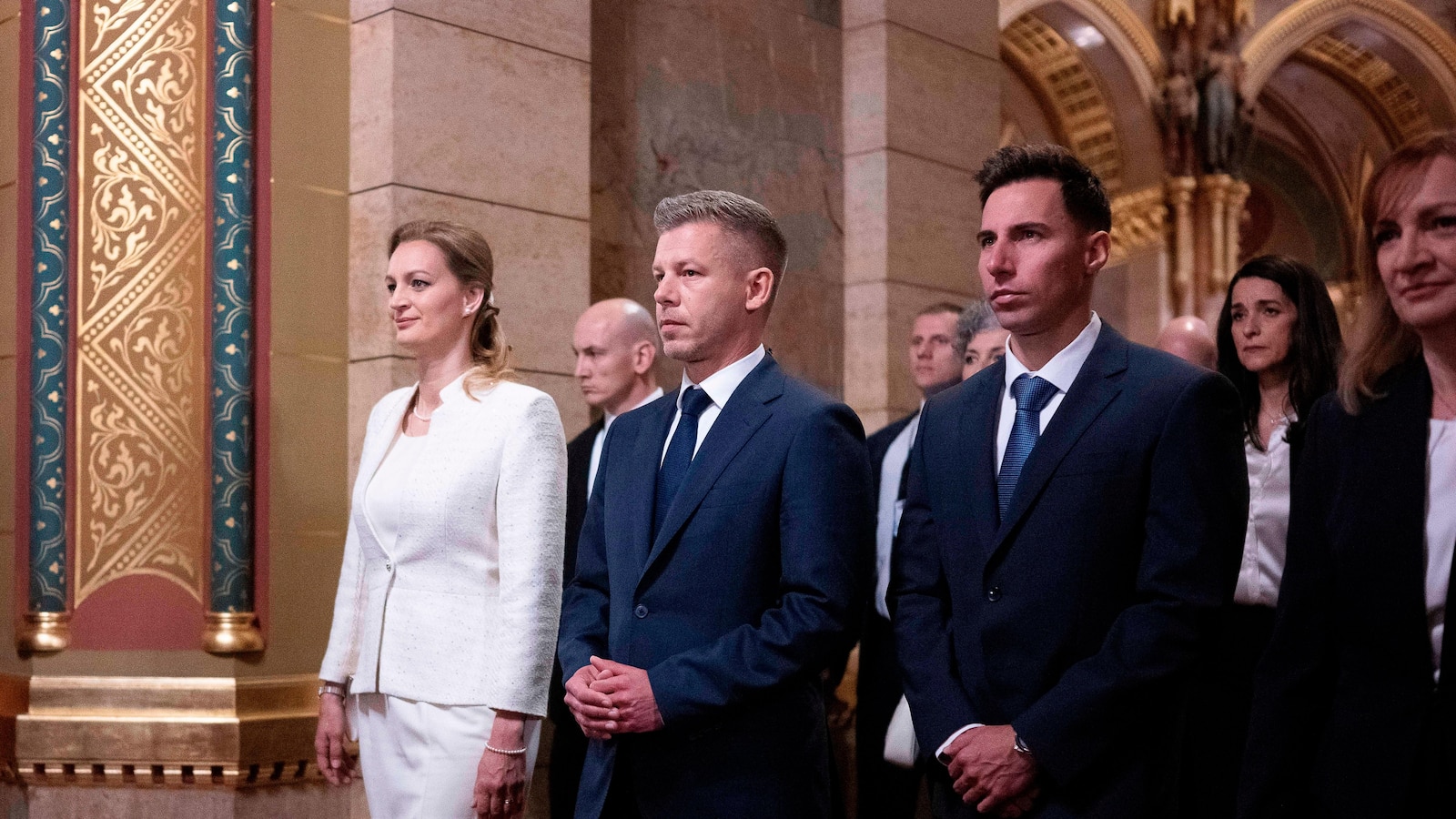
Péter Magyar arrives at the Hungarian parliament on May 9, 2026, to be sworn in as Prime Minister. This historic transition marks the end of Viktor Orbán’s 16-year tenure, signaling a pivotal shift in Hungary’s internal governance and a potential recalibration of its fraught relationship with the European Union.
The atmosphere in Budapest is a volatile mix of euphoria and profound uncertainty. For nearly two decades, the Hungarian state was synonymous with one man’s vision of “illiberal democracy.” Today, that era collapses. As Magyar ascends the steps of the parliament building, he is not merely taking an oath of office. he is attempting to dismantle a systemic architecture of power that has defined Central European politics for a generation.
The Weight of a Sixteen-Year Shadow
Viktor Orbán did not just lead Hungary; he reshaped it. Through a combination of constitutional amendments, the capture of the judiciary, and the consolidation of media ownership, the previous administration created a state where the line between party and government vanished. The result was a period of stability for some, but a slow erosion of democratic norms for many others.
The problem left in Orbán’s wake is not just political—it is structural. The bureaucracy is permeated by loyalty to the old regime, and the legal framework is riddled with “special laws” designed to favor a narrow circle of oligarchs. For any new leader, the first challenge is not passing new legislation, but scrubbing the existing system of these entrenched interests.
This systemic overhaul is a logistical nightmare. Businesses operating within Hungary now face a period of extreme regulatory volatility. As the new government audits previous contracts and investigates the allocation of EU funds, companies are scrambling to ensure their operations are compliant with emerging standards. Navigating this transition requires more than just a lawyer; it requires international law firms specializing in anti-corruption and regulatory compliance to shield legitimate assets from political fallout.
“We are not just changing a leader; we are attempting to restart a frozen democratic heart. The challenge for Magyar is to prove that the state can function without a strongman at the helm.”
The Magyar Mandate: From Insider to Iconoclast
Péter Magyar’s trajectory is perhaps the most poetic element of this transition. Once a figure within the orbit of the previous administration, his pivot to the opposition transformed him into a symbol of defection, and reform. He represents the “insider who saw too much,” a narrative that resonated with a public tired of the predictable rhetoric of the old guard.
Magyar’s immediate priorities are clear, though the execution remains the true test:
- Judicial Restoration: Reinstating the independence of the courts to ensure that the rule of law applies equally to the powerful and the powerless.
- EU Reconciliation: Unlocking billions in frozen European Union funds by meeting the “rule of law” benchmarks set by Brussels.
- Media Pluralism: Breaking the state-aligned monopoly on information to allow for a genuinely diverse public discourse.
The shift in leadership is already vibrating through the Visegrád Group. For years, Hungary acted as the primary disruptor within the EU, often blocking consensus on sanctions or migration. With Magyar in power, the center of gravity in Central Europe is shifting back toward cooperation. This geopolitical thaw is expected to trigger a surge in foreign direct investment, as the “risk premium” associated with Hungarian volatility begins to fade.
However, the transition is not without its frictions. The civil service is currently a minefield of legacy appointments. To rebuild a functional, meritocratic administration, the new government is leaning on non-profit governance consultants to help redesign municipal and national agency frameworks from the ground up.
Local Impact and the Budapest Renaissance
In the streets of Budapest, the change is visceral. The capital, which often served as the primary site of protest against the Orbán government, is now the epicenter of a tentative rebirth. Local municipal laws are being reviewed, and there is a renewed push for urban transparency in how city contracts are awarded.
Yet, the economic reality remains complex. While the political mood is optimistic, the macro-economic indicators show a country struggling with inflation and a labor market distorted by previous populist policies. The transition from a state-led, oligarchic economy to a transparent, market-driven one will not happen overnight.
“The legislative cleanup will be the most grueling part of this administration. You cannot simply delete sixteen years of tailored laws with a single pen stroke; you have to rebuild the logic of the law itself.”
For the business community, this “legislative cleanup” is the primary source of anxiety. The sudden shift in political winds can render previously legal agreements precarious. Forward-thinking executives are already engaging corporate strategic advisors to hedge their risks and pivot their growth strategies to align with the new administration’s transparency mandates.
A Fragile New Dawn
The swearing-in of Péter Magyar is a victory for the democratic impulse, but victory is not the same as stability. The ghost of the previous regime still haunts the halls of the parliament, and the appetite for rapid change may clash with the slow reality of bureaucratic reform.

Hungary is now a laboratory for democratic restoration. The world is watching to see if a country can successfully pivot away from autocracy without sliding into chaos. If Magyar succeeds, he provides a blueprint for other nations struggling under similar regimes. If he fails, he may inadvertently prove that the strongman model, once established, is nearly impossible to erase.
The road ahead is paved with legal hurdles, political ghosts, and the immense pressure of a population that has forgotten what a functioning democracy feels like. As the new government begins its work, the need for verified, expert guidance has never been higher. Whether you are a business leader protecting assets or a civic leader building new institutions, finding the right professionals is the only way to survive the transition. The World Today News Directory remains the definitive resource for connecting with the vetted legal and strategic experts equipped to navigate this new Hungarian era.