Pete Davidson Calls Ye a Gay Nazi at Kevin Hart Roast
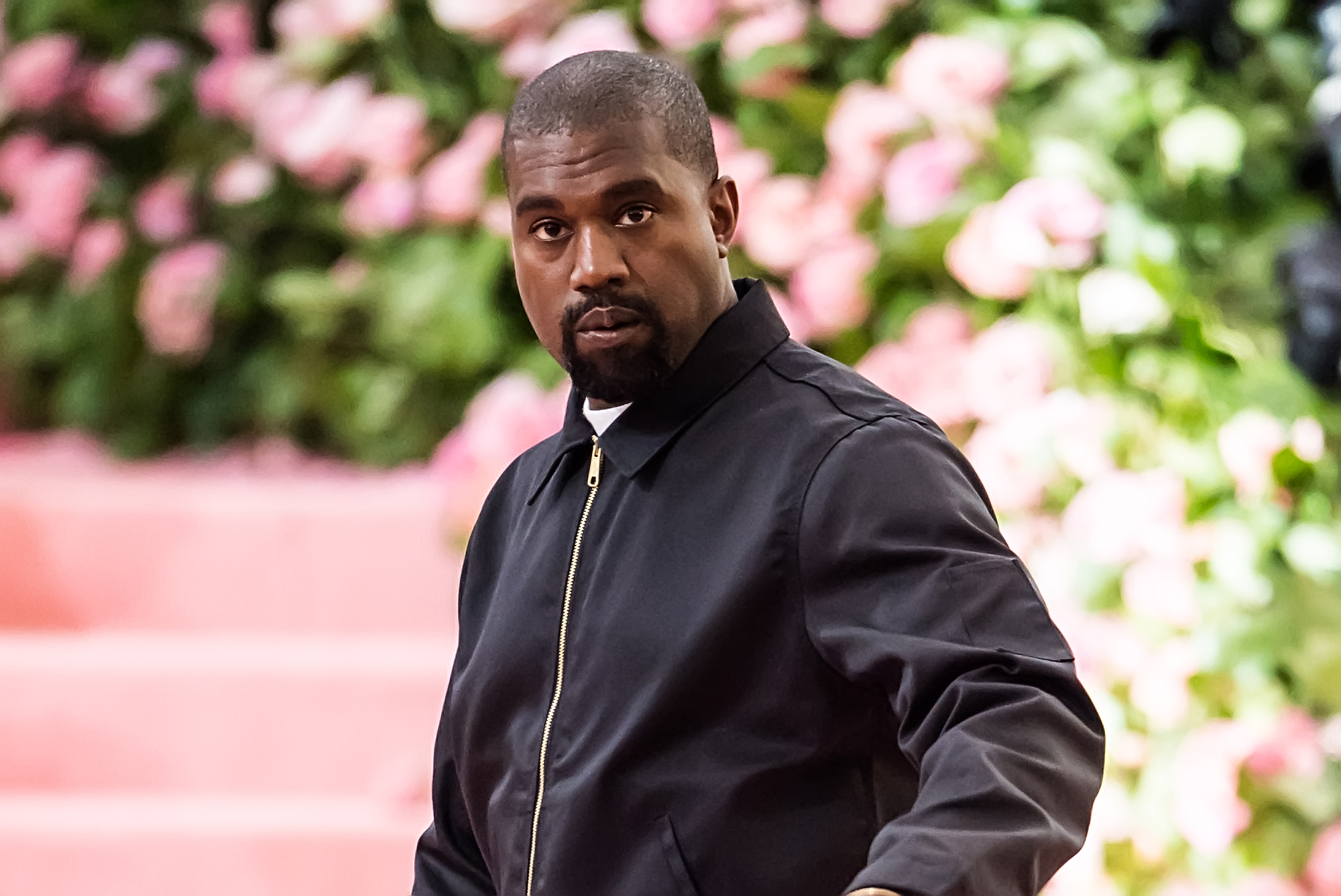
During Netflix’s roast of Kevin Hart on May 10, comedian Pete Davidson sparked viral controversy by calling Ye (formerly Kanye West) a “gay Nazi” while the rapper sat expressionless in the audience. The moment highlights the volatile intersection of celebrity feud culture, mental health discourse, and high-stakes SVOD brand management.
In the current landscape of the attention economy, a “roast” is rarely just about the jokes; It’s a calculated exercise in brand stress-testing. When Netflix produces a tribute to a titan like Kevin Hart, the objective is to maximize social media sentiment and SVOD (Subscription Video On Demand) viewership through high-friction moments. The presence of Ye, seated alongside his wife Bianca Censori, served as a living lightning rod for the evening, transforming a comedy special into a high-stakes study in reputation rehabilitation and public endurance.
The friction peaked when Pete Davidson pivoted from his target, Tony Hinchcliffe, to address Ye. Davidson’s commentary was not a subtle jab but a frontal assault, culminating in the remark: “Tony, nothing you say tonight will hurt my feelings. I was in a beef with Kanye, so I’ve taken shots from better gay Nazis.” For the industry observer, this is less about the punchline and more about the intellectual property of a “beef.” In the modern media cycle, a feud is a form of currency that can be cashed in for engagement metrics, regardless of the moral or social cost.
“The modern roast has evolved into a strategic asset for streaming platforms. By placing highly polarizing figures in a controlled environment where ‘anything goes,’ studios can generate a month’s worth of organic social media marketing in a single night. The risk of offense is offset by the guaranteed spike in viewership.” — Marcus Thorne, Senior Media Strategist.
The Architecture of the Redemption Arc
Ye’s stoicism during the roast cannot be viewed in isolation. It is the latest chapter in a complex, often contradictory, attempt to reclaim his brand equity. Earlier this year, Ye attempted a formal pivot via a full-page message in The Wall Street Journal, explicitly stating, “I am not a Nazi or an antisemite. I love Jewish people.” By pairing this apology with a candid discussion of his bipolar type-1 disorder, Ye shifted the narrative from one of ideological malice to one of clinical struggle.


However, the volatility of his public image remains a liability. The 2025 release of the track “Cousins,” which was subsequently scrubbed from streaming platforms following intense backlash, proves that the path to forgiveness in the digital age is non-linear. When a high-net-worth individual faces this level of systemic brand collapse, the immediate response is rarely a simple apology. Instead, the strategy involves deploying elite crisis communication firms and reputation managers to navigate the precarious gap between public condemnation and commercial viability.
The decision to attend the roast—and to remain silent while being called a “gay Nazi”—suggests a new strategy of “passive endurance.” By absorbing the blow without reacting, Ye effectively neutralized Davidson’s weapon, shifting the audience’s focus from the insult to the insensitivity of the delivery. This is a sophisticated play in the realm of perception management, designed to frame the artist as the mature party in a juvenile exchange.
The Business of Controversy and SVOD Metrics
From a production standpoint, Netflix is playing a masterful game of risk arbitrage. The inclusion of figures like Tony Hinchcliffe and Ye ensures that the content will be discussed across every major cultural vertical, from Variety to The Hollywood Reporter. The “shock value” of Davidson’s jokes—including his visceral comparison of Hinchcliffe to a “child molester” and the “doll they give the child to show where he touched them”—is engineered to trigger the algorithm.
This strategy relies on the understanding that negative engagement is still engagement. In the world of backend gross and subscriber retention, a “controversial” special often outperforms a “safe” one. Yet, this approach places immense pressure on the legal frameworks governing talent contracts. The line between “roast humor” and actionable defamation is thin, requiring meticulous oversight from specialized IP and entertainment attorneys to ensure that the platform is protected from fallout while the talent is given enough rope to be provocative.
“We are seeing a shift where the ‘cancellation’ of a celebrity is no longer a terminal event, but a transition phase. The goal is no longer total redemption, but ‘functional relevance’—where the artist can still move product or draw a crowd despite a fractured public image.” — Elena Rossi, Talent Agency Consultant.
Logistical Leviathans and Luxury Optics
Beyond the jokes, an event of this magnitude is a logistical feat. The coordination of high-profile guests, strict NDAs, and high-security environments requires a seamless integration of regional event security and A/V production vendors. The visual of Ye and Bianca Censori in the crowd is as much about fashion and status as it is about the roast itself. These events serve as critical networking hubs where the luxury hospitality sector and high-end talent agencies intersect to broker the next wave of content deals.
The juxtaposition of Davidson’s aggressive comedy against the backdrop of a polished Netflix production creates a curated chaos. It reflects a broader industry trend where the “unfiltered” nature of podcast culture is being institutionalized into high-budget streaming specials. The result is a hybrid medium: the production value of a prestige special with the volatility of a Twitter thread.
As Ye continues to navigate the wreckage of his public persona, the roast serves as a reminder that in the entertainment industry, silence can be the most powerful response. Whether this stoicism leads to a genuine restoration of his brand or simply maintains his status as a cultural curiosity remains to be seen. For those operating in the orbit of such volatility—be they managers, lawyers, or PR specialists—the lesson is clear: in the age of SVOD, the only thing more valuable than a clean reputation is a conversation that refuses to die.
For those seeking to navigate the complexities of celebrity branding or the legalities of high-stakes media production, the World Today News Directory provides a curated gateway to the world’s leading crisis PR experts and entertainment legal specialists capable of managing the fallout of the modern zeitgeist.
Disclaimer: The views and cultural analyses presented in this article are for informational and entertainment purposes only. Information regarding legal disputes or financial data is based on available public records.