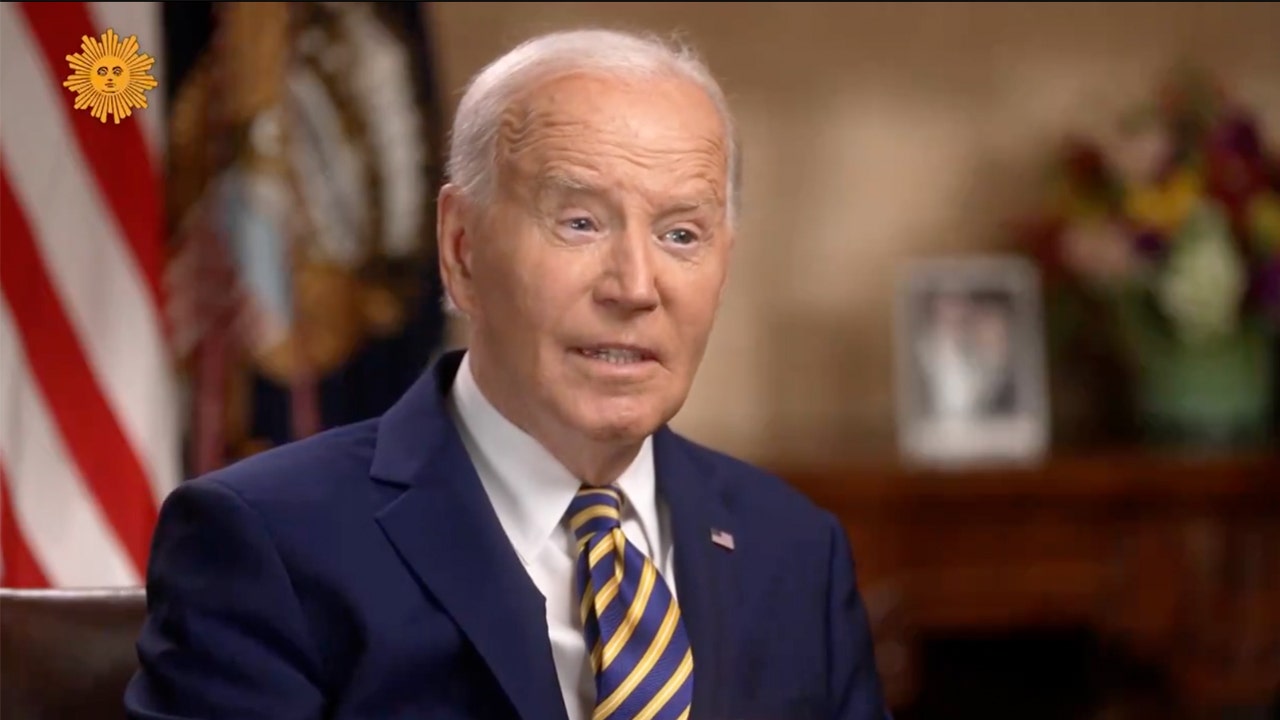
Biden Memory Tapes Reveal Lapses That Contradict Democratic Defenses
Newly released audio recordings from a 2017 interview between former Vice President Joe Biden and his ghostwriter reveal significant memory lapses regarding names and dates. These tapes contradict the fierce defense mounted by prominent Democrats who previously dismissed Special Counsel Robert Hur’s 2024 report as politically motivated and inaccurate regarding Biden’s cognitive state.
The Collapse of the 2024 Democratic Defense Strategy
When Special Counsel Robert Hur released his investigative findings in 2024 following a probe into the unauthorized retention of classified documents, the political fallout was immediate. Hur concluded that while Biden had retained sensitive materials, criminal charges were unwarranted in part because a jury might view him as a sympathetic, well-meaning, elderly man with a poor memory. That characterization sparked an aggressive counter-offensive from top Democrats, who insisted the portrayal was a gratuitous attack designed to influence the presidential race against Donald Trump.
Then-Vice President Kamala Harris publicly led the pushback, telling reporters in Washington that the report’s assessment of the president’s demeanor was inaccurate, inappropriate, and politically motivated. Other prominent figures echoed that stance. Rep. Dan Goldman, D-N.Y., appeared on ABC to claim that a nonpartisan special counsel had gone out of his way to include unnecessary and irrelevant editorializing. Legal and communications teams, including former FBI general counsel Andrew Weissman and Biden special counsel spokesperson Ian Sams, similarly criticized the Department of Justice for inserting questions of memory into a non-indictment report.
At the time, congressional leaders and cabinet members actively vouched for Biden’s sharp focus behind closed doors. Sen. Jack Reed, D-R.I., told POLITICO that leadership meetings showed no signs of a leader struggling to stay in charge. Sen. Tina Smith, D-Minn., after spending a day traveling with the commander-in-chief, declared him at the very top of his game. Yet, those robust defenses now collide directly with primary source evidence that was long kept from public view.
Inside the Damning Ghostwriter Tapes
The audio recordings at the center of the controversy stem from interviews conducted in 2016 and 2017 between Biden and Mark Zwonitzer, the ghostwriter for the memoir “Promise Me, Dad.” While Biden’s legal team fought a prolonged battle to keep the recordings private, a nonprofit organization called the Oversight Project secured them via public records requests. The newly public files expose explicit instances where the former vice president struggled with basic recall.
On April 24, 2017, the recordings show Biden struggling to remember the names of two former economic advisers. “I’ll think of his name,” Biden stated on the tape as a private citizen. “I should write the names down because I keep forgetting them.” Following an extended pause, Zwonitzer prompted him with the name of Alan Krueger. In another segment reviewing a memorial service in Wilmington for a fallen service member, Biden stumbled over dates and identities, remarking on the transcript review that memorial service notes get names “f—ed up” and admitting he forgot specific details.
The audio files directly validate the core observations that triggered intense Democratic outrage when Hur published them in his 2024 report. The special counsel had explicitly noted that Biden’s memory was significantly limited during both the 2017 ghostwriter interviews and the 2023 office interview with investigators.
The Legal Battles and Political Aftershocks
The unsealing of the tapes marks the conclusion of a defensive legal strategy by Biden’s representatives, who sought to prevent the audio from reaching the public domain. TJ Ducklo, speaking as a Biden spokesperson, criticized the release to CBS by framing the disclosure as an aggressive administrative move. “President Biden’s conversations for a book a decade ago that discussed his late son are private, and were provided to the Department of Justice on the express condition they stay that way,” Ducklo stated, accusing the administration of weaponizing the Justice Department for political retribution.
This fresh evidentiary chapter arrives well after the primary political landscape shifted dramatically. Months after the initial report release and following a widely publicized debate performance against Donald Trump that put his cognitive fitness at the center of the campaign, Biden exited the presidential race. Harris subsequently assumed the top of the Democratic ticket without undergoing a primary election cycle—a historic shift for a candidate who had previously exited the 2020 primaries on December 3, 2019, before any votes were cast.
Disclaimer: The views and cultural analyses presented in this article are for informational and entertainment purposes only. Information regarding legal disputes or financial data is based on available public records.