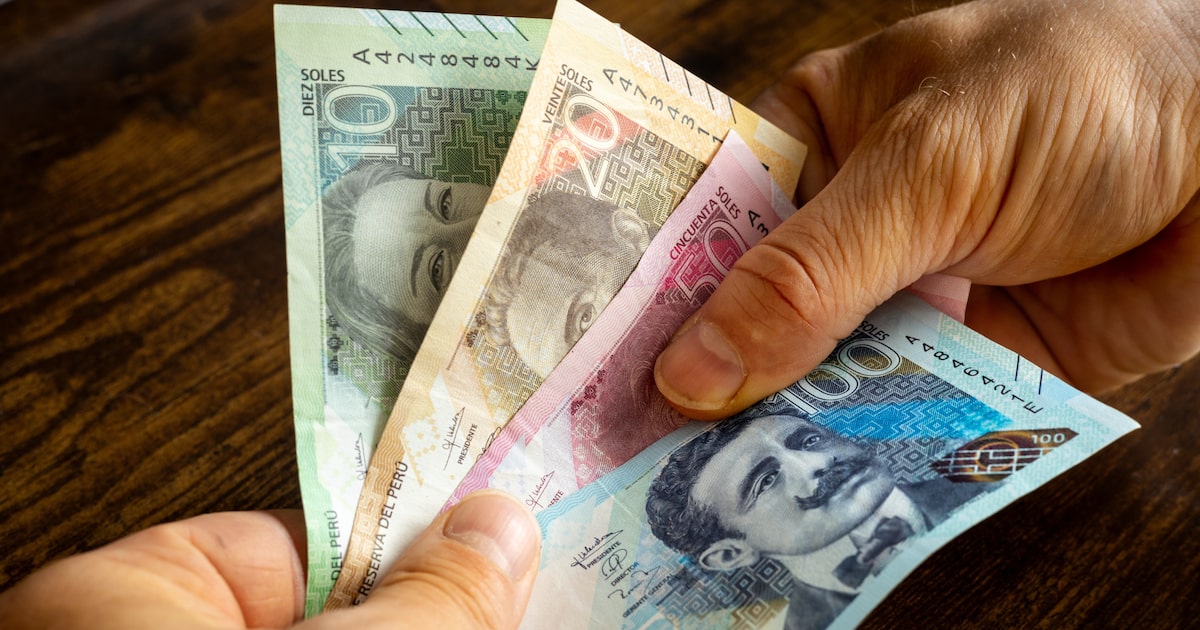
Peruvian Sol vs US Dollar: Exchange Rate Stability and Outlook
The Peruvian Sol is currently navigating a high-stakes tug-of-war as the currency retreats ahead of national elections. While the Sol remains a regional outlier in stability, traders are pricing in heightened volatility, forcing corporations to hedge against potential dollar spikes to protect upcoming quarterly margins.
This is a classic case of political risk creating a liquidity vacuum. When the market anticipates a shift in governance, the immediate instinct is capital flight or a rush toward the “safe haven” of the USD. For B2B operators and multinationals with significant exposure to the Andean region, this isn’t just a currency fluctuation—it’s a balance sheet threat. Companies failing to lock in rates now are essentially gambling with their operational expenditure (OpEx).
The problem is systemic. Currency volatility erodes the predictability of EBITDA, making long-term CAPEX planning nearly impossible. To mitigate this, CFOs are increasingly pivoting toward specialized risk management firms to implement sophisticated hedging strategies that neutralize the impact of a sliding Sol.
The Macro Playbook: Why the Sol Defies the Trend
Despite the pre-election jitters, the Sol has earned a reputation as the “dollar of the Andes.” This isn’t accidental. The Central Reserve Bank of Peru (BCRP) has historically maintained a rigorous interventionist approach, utilizing foreign exchange reserves to dampen the swings that typically plague emerging market currencies. By absorbing excess dollar liquidity or injecting it during shortages, the BCRP keeps the volatility index low compared to the Colombian Peso or Chilean Peso.

However, the current window is different. We are seeing a convergence of domestic political uncertainty and a global shift in the U.S. Federal Reserve’s monetary policy. As the Fed adjusts its stance on quantitative tightening, the yield differential between U.S. Treasuries and Peruvian bonds narrows, reducing the incentive for carry trades.
The market is currently analyzing the “political premium”—the extra cost investors demand to hold assets in a country facing electoral instability. If the upcoming results signal a shift toward populism or fiscal instability, You can expect a rapid widening of credit default swaps (CDS) for Peruvian sovereign debt.
“The Sol’s stability is a testament to institutional autonomy, but the market has a short memory. In an election year, the technicals matter less than the perceived trajectory of fiscal discipline.” — Marcus Thorne, Chief Emerging Markets Strategist at Global Capital Assets.
The Three Pillars of Currency Volatility in Q2 2026
- The Liquidity Trap: As corporations hoard dollars to hedge against election-day shocks, the spot market experiences artificial scarcity, driving the price up regardless of economic fundamentals.
- The Fiscal Credibility Gap: Investors are scrutinizing candidate platforms for mentions of “fiscal expansion” or “subsidy increases,” which typically lead to inflationary pressure and currency depreciation.
- External Shock Correlation: Peru’s heavy reliance on mineral exports means the Sol is inextricably linked to copper and gold prices. A slump in global industrial demand, coupled with local unrest, creates a perfect storm for a currency slide.
For firms managing cross-border payments, the friction is palpable. The cost of doing business rises when the exchange rate becomes a moving target. This is why we see a surge in demand for international corporate law firms to restructure contracts with “currency adjustment clauses,” ensuring that B2B agreements remain viable even if the Sol drops by 5-10% in a single quarter.
Analyzing the Yield Curve and Capital Flows
To understand where the dollar is headed, one must look at the market data regarding the interest rate differential. The BCRP has a delicate balancing act: raising rates to attract capital and support the Sol, while avoiding a chokehold on domestic credit that could stifle GDP growth.
When we examine the current yield curve, there is a noticeable flattening. This suggests that while short-term volatility is expected, the long-term confidence in Peru’s macroeconomic framework remains relatively intact. However, the “basis points” of that confidence are being tested daily.
Institutional investors aren’t just looking at the exchange rate; they are looking at the implied volatility in the options market. The cost of buying “put” options on the Sol has climbed, indicating that the “smart money” is paying a premium for protection. This is a clear signal that the market expects a bumpy ride through the election cycle.
“We are seeing a tactical rotation. Funds aren’t exiting Peru entirely, but they are moving into shorter-duration instruments to avoid long-term exposure to political volatility.” — Elena Rodriguez, Portfolio Manager at Andes Equity Partners.
The operational reality for a B2B provider is that these macro shifts translate into immediate pricing pressure. A company importing machinery from the U.S. Into Peru sees its costs rise in real-time. To survive this, enterprises are turning to strategic financial advisors to optimize their treasury operations and move toward multi-currency invoicing.
The Forward Outlook: Q3 and Beyond
Looking ahead to the next fiscal quarter, the trajectory of the dollar in Peru will be determined by the “Day After” the election. If the winning administration reaffirms a commitment to the BCRP’s independence and maintains a disciplined fiscal deficit, the Sol will likely snap back to its imply, rewarding those who bought the dip.
Conversely, any hint of monetary financing for government spending will trigger a sell-off. In that scenario, the dollar won’t just “fluctuate”—it will surge as a flight-to-quality event. The risk isn’t just the price of the currency, but the potential for capital controls if the government attempts to artificially peg the rate to stop a crash.
The winners in this environment will be the firms that treat currency risk as a core business function rather than a peripheral accounting issue. Agility in the face of volatility is the only real competitive advantage in emerging markets.
As the geopolitical landscape shifts, the ability to find vetted, high-capacity partners becomes the primary differentiator between growth, and stagnation. Whether you are navigating currency hedging, restructuring international contracts, or seeking emerging market intelligence, the World Today News Directory provides the gateway to the B2B entities capable of stabilizing your global operations.