
daily Peanut Consumption Linked to Improved Brain Function in Seniors, New Study Finds
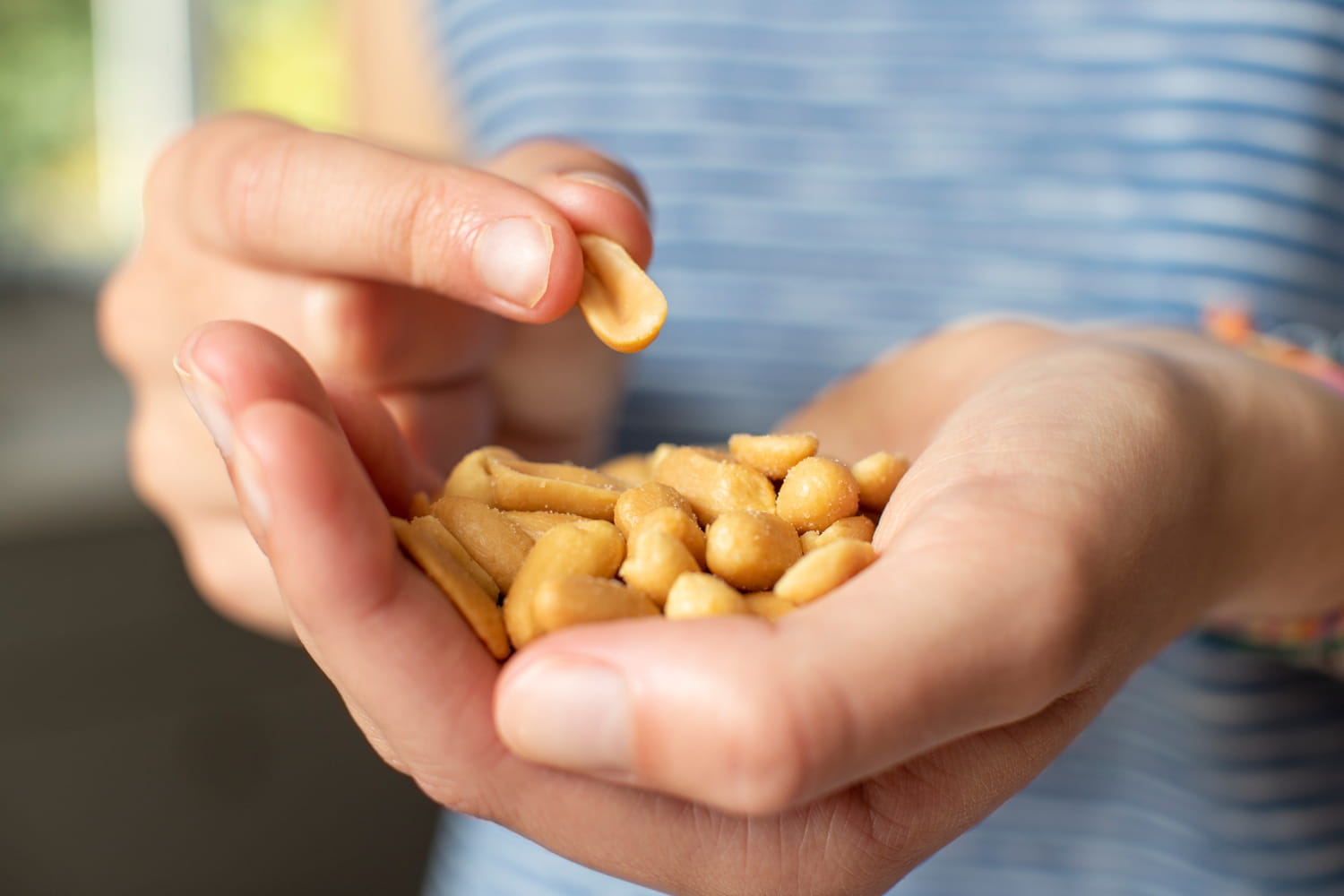
Paris, France - A new study published in Clinical Nutrition reveals that daily consumption of peanuts can significantly improve cerebrovascular function and verbal memory in individuals aged 60 to 75. Researchers found that eating approximately 60 grams - or around 80 peanuts, two handfuls – of dry-roasted, unsalted peanuts with their skins improved cerebral blood flow by 3.6% and blood flow to the gray matter by 4.5%.
The 16-week study followed 31 healthy men and women, with one group incorporating a daily dose of peanuts into their diet while the other served as a control. Participants underwent neuropsychological tests and MRI scans to assess brain health. Results showed a nearly 6% advancement in the peanut-consuming group’s ability to remember words, alongside a reduction in at-home blood pressure.
“Cerebral blood flow is an notable physiological marker of cerebrovascular function,” explained Dr. Peter Joris,lead author of the study. “it corresponds to the quantity of blood that irrigates the brain,providing it with oxygen and essential nutrients.”
the researchers attribute the benefits to a combination of polyphenols and fibers found in the peanut skin, working in conjunction with the L-arginine within the seed. they recommend choosing dry-roasted, unsalted peanuts with skins intact to maximize these protective effects. The findings suggest that incorporating peanuts into a daily routine could be an effective preventative measure for cognitive health as we age.
