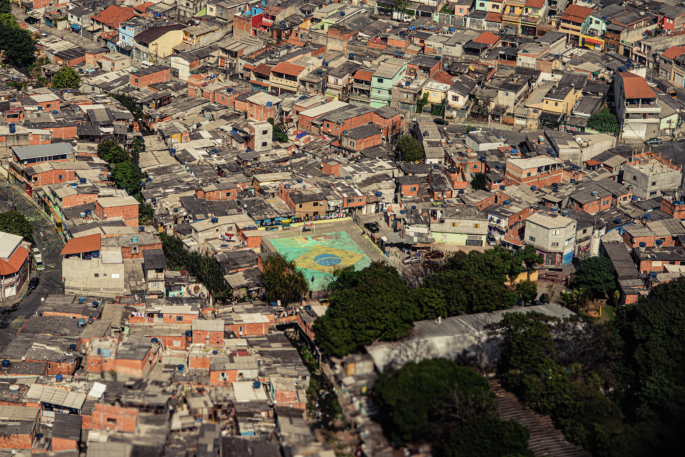
Past TB Diagnosis Linked to Increased Long-Term Mortality Risk Up to 14 Years Later, Urging Global Prevention Action
On April 22, 2026, a landmark analysis published in Nature Medicine revealed that a history of tuberculosis (TB) significantly elevates long-term mortality risk, persisting for up to 14 years post-infection regardless of whether the initial disease was cured or treated successfully. Drawing from Brazil’s expansive 100 Million Brazilian database—a longitudinal cohort linking national health records with mortality outcomes—the study found that individuals with a prior TB diagnosis faced a 37% increased risk of death over the subsequent decade and a half compared to those without such history. This enduring vulnerability, termed “TB scarring,” persists even after microbiological cure, suggesting that the disease leaves a lasting imprint on physiological resilience that extends far beyond the acute phase of infection.
Key Clinical Takeaways:
- A past tuberculosis diagnosis increases long-term mortality risk by up to 37% for over a decade, independent of treatment success.
- The study, based on Brazil’s 100 Million Brazilian database, identifies TB as a marker of enduring physiological vulnerability, not just an infectious episode.
- These findings elevate TB prevention and post-treatment monitoring to urgent global health priorities, particularly in high-burden regions.
The implications of this research extend well beyond infectious disease clinics into the realms of cardiovascular medicine, pulmonology, and gerontology. Researchers from the Oswaldo Cruz Foundation (Fiocruz) and the University of São Paulo, who led the analysis, hypothesize that the persistent risk stems from irreversible lung parenchyma damage, chronic systemic inflammation, and epigenetic reprogramming of immune cells—mechanisms that accelerate atherosclerosis, reduce pulmonary reserve, and increase susceptibility to secondary infections. As Dr. Ana Santos, lead epidemiologist at Fiocruz and senior author of the study, explained in a recent interview:
“We are seeing that TB doesn’t just leave scarred lungs—it leaves a scarred organism. The body’s ability to withstand metabolic and inflammatory stress is permanently altered, which manifests years later as cardiovascular failure, lung cancer, or severe pneumonia.”
This aligns with prior work from the National Institutes of Health (NIH), which demonstrated that TB survivors exhibit elevated biomarkers of inflammaging, including IL-6 and CRP, even after microbiological clearance.
Critically, the study was funded by the Brazilian Ministry of Health’s Department of Chronic Disease Surveillance and the Wellcome Trust’s Our Planet, Our Health initiative, ensuring independence from pharmaceutical influence. The cohort included over 2.1 million individuals with a documented history of TB between 2000 and 2010, matched against 8.5 million controls without TB history, with adjustments made for age, sex, socioeconomic status, HIV comorbidity, and smoking status. The robustness of the dataset—spanning nearly two decades of passive surveillance—provides unprecedented ecological validity, surpassing the limitations of smaller clinical trials or hospital-based cohorts.
These findings demand a paradigm shift in how healthcare systems approach TB survivors. Rather than considering patients “cured” after six months of antibiotics, clinicians must now view them as a high-risk cohort requiring longitudinal surveillance akin to diabetes or hypertension management. For patients navigating post-TB complications, early intervention by specialists is crucial. Individuals experiencing unexplained dyspnea, chronic fatigue, or recurrent respiratory infections should consult board-certified pulmonologists for pulmonary function testing and high-resolution CT imaging to assess residual lung damage. Similarly, given the heightened cardiovascular risk, evaluation by preventive cardiologists for lipid profiling, coronary calcium scoring, and endothelial function testing is strongly advised.
From a public health standpoint, the study reinforces the urgency of expanding access to newer, shorter regimens and investing in vaccines that prevent infection altogether—such as the M72/AS01E candidate currently in Phase III trials, supported by the Gates Foundation and GSK. Until such tools are widely available, strengthening contact tracing, improving nutritional support during treatment, and integrating TB care into chronic disease platforms are essential steps. As Dr. Marco Alves, infectious disease specialist at the University of Campinas and independent expert not involved in the study, noted:
“This research doesn’t just request us to treat TB better—it asks us to notice TB survivors differently. They are not recovered; they are recovering for life.”
The long shadow of tuberculosis, once thought to lift with sputum conversion, now demands a lifelong lens of vigilance. As global TB incidence plateaus amid rising drug resistance and unequal access to care, this evidence elevates secondary prevention from an afterthought to a cornerstone of equitable health policy. For healthcare providers seeking to implement structured follow-up protocols for post-TB patients, collaborating with integrated chronic disease management clinics offers a scalable model for monitoring pulmonary, cardiac, and metabolic health over time.
*Disclaimer: The information provided in this article is for educational and scientific communication purposes only and does not constitute medical advice. Always consult with a qualified healthcare provider regarding any medical condition, diagnosis, or treatment plan.*
Related reading
- Reports Show Rising Early-Onset Cancer Rates in People Under 50
- Study: Sarcoma spread between identical twins via placenta before birth
- Houthi Strikes on Riyadh Airport Kill Three as Trump Rules Out Pre-Midterm Action (archyde.com)
- 100,000 Copies in 28 Years: What a Nobel Sticker Can Do for Carson (daybreakwire.com)