
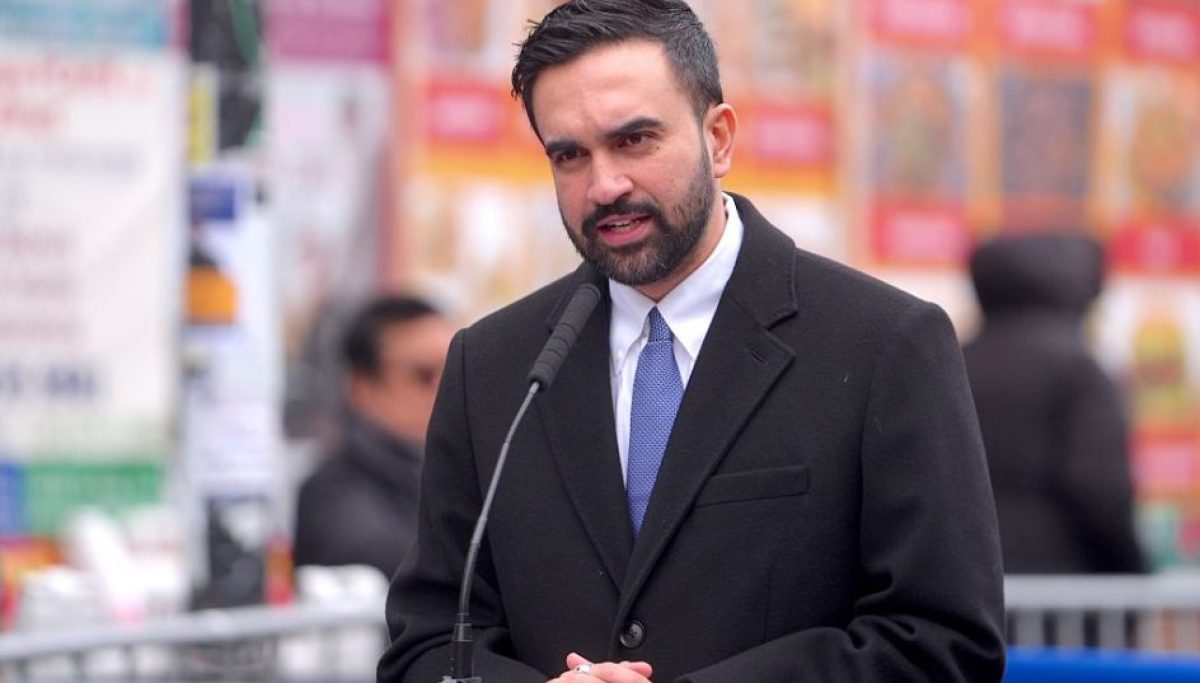
New York City Mayor Zohran Mamdani unveiled a $127 billion budget proposal this week, drawing criticism for its reliance on reserve funds and property tax increases to cover a $5.4 billion shortfall, despite promises of expanded social programs and reduced reliance on traditional law enforcement. The budget, presented after Mamdani’s victory last November, has sparked debate over its potential impact on the city’s affordability and public safety.
The proposal allocates over $1 billion to new child care spending, including pre-K and daycare programs, falling short of the universal free child care plan Mamdani campaigned on. Funding for the “Commission on Racial Equity,” the “Commission on Gender Equity,” and the city’s “Climate Office” also saw significant increases. Simultaneously, a planned addition of 5,000 officers to the city’s police force was eliminated, a move that has raised concerns among some about public safety.
To bridge the budget gap, Mamdani intends to draw $1.2 billion from the city’s reserve fund and implement a 9.5% increase in property taxes citywide. This tax hike is expected to disproportionately affect renters, as property taxes are a primary expense for housing providers, who are likely to pass the increased costs onto tenants. This outcome directly contradicts Mamdani’s campaign promise to lower rents, according to observers.
Mamdani had reportedly sought to raise taxes on corporations and high-income earners, but was prevented from doing so by New York Governor Kathy Hochul. This decision echoes concerns about the potential for wealthy residents to leave states with higher tax burdens, as seen in California, where proposed tax increases on billionaires prompted fears of revenue decline.
A significant driver of the budget shortfall is the city’s high per-student education spending, exceeding $42,000 annually – the highest in the nation – while student enrollment in the city’s public schools continues to decline. While merging underutilized schools could alleviate the financial strain, such a move faces opposition from the city’s powerful teachers unions, who are likely to resist any plan that results in staff reductions. Mamdani’s budget proposes increased spending to hire additional teachers to comply with state-mandated classroom size caps.
Experts have noted parallels between Mamdani’s situation and that of Chicago Mayor Brandon Johnson, who was elected on a similar progressive platform in 2023. Johnson has faced challenges in delivering on promises of affordable housing and has relied on fees to fund spending priorities, leading to residents leaving the city.
The election of Mamdani, a democratic socialist, follows a pattern of left-leaning candidates gaining traction in major cities. Michael Bloomberg, the former mayor of New York City, endorsed Andrew Cuomo in the 2025 mayoral election and spent $9.5 million in an unsuccessful attempt to defeat Mamdani. Despite their ideological differences, some observers have pointed to surprising similarities in their policy approaches, including a focus on taxing the wealthy and investing in public transit. Bloomberg, a businessman who came into office vowing to think outside the box, set a “gold standard” for recent mayors, according to political experts. However, he was also criticized for being tone-deaf to the needs of the poor.
As Mamdani’s administration moves forward, the city awaits the outcome of his budget proposal and its potential impact on the lives of New Yorkers. The City Council is scheduled to vote on the budget next month.
