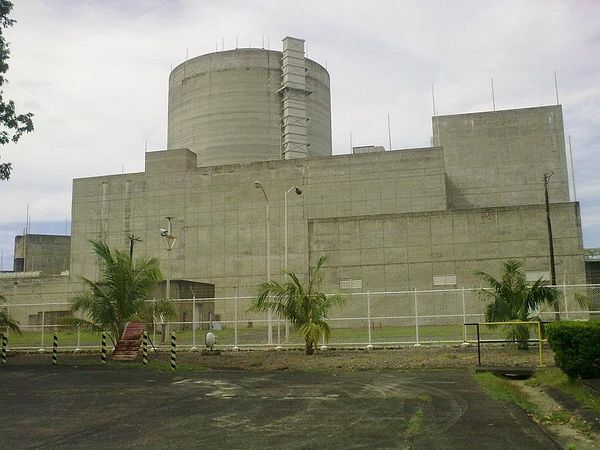
Nuclear Reactors Take Center Stage in Escalating Global Strategic Competition
As of July 17, 2026, China and the United States are locked in a high-stakes competition to supply nuclear reactor technology across Southeast Asia. This strategic rivalry centers on energy security and geopolitical influence, forcing regional nations to balance climate goals against the security implications of partnering with competing global superpowers.
The Strategic Shift Toward Modular Nuclear Power
Nuclear energy is no longer merely a domestic power solution; it is a primary instrument of foreign policy. China, through state-backed entities like the China National Nuclear Corporation (CNNC), has aggressively marketed its Hualong One reactor design to emerging economies in the Association of Southeast Asian Nations (ASEAN). Beijing frames these exports as a sustainable path to industrialization, offering favorable financing terms that often undercut Western alternatives.
The United States, meanwhile, is pivoting toward Small Modular Reactors (SMRs). According to the U.S. Department of Energy, SMRs provide a more flexible, lower-cost entry point for nations with smaller grids. This technology, championed by private firms like NuScale Power and Terrestrial Energy, is being pitched as a safer, more transparent alternative to the large-scale state-controlled models offered by Chinese firms. The competition is not just about electricity; it is about setting the technical and safety standards for the region for the next half-century.
Geopolitical Friction and the Regulatory Minefield
The race to secure nuclear contracts in countries like Vietnam, Indonesia, and the Philippines has created a complex regulatory environment. Local governments must navigate the “nuclear club” dynamics, where accepting reactor technology often necessitates long-term security cooperation, fuel-cycle oversight, and liability agreements that favor the supplier nation.
Dr. Aris Haryanto, a regional energy policy consultant, notes the inherent tension in these deals. `The challenge for Southeast Asian states is that nuclear energy is a permanent marriage. When you choose a reactor supplier, you are choosing your geopolitical partner for the next sixty years. The technical specifications are secondary to the strategic alignment required by the supplier’s home government.`
For private developers and energy firms operating in these jurisdictions, the legal burden is immense. Companies looking to participate in these massive infrastructure projects must manage international treaty compliance and complex environmental impact assessments. Navigating these requirements often requires specialized legal guidance. Developers are increasingly turning to `[International Energy Law Firms]` to ensure their contracts are shielded from the shifting tides of bilateral diplomacy.
Infrastructure Resilience and the Cost of Entry
The logistical requirements for hosting nuclear facilities are substantial. Beyond the reactors themselves, the host nations must upgrade grid infrastructure and establish robust, independent regulatory bodies to oversee safety and nuclear waste management. The lack of existing nuclear infrastructure in many ASEAN nations creates a barrier to entry that only state-backed financing can currently overcome.
In regions prone to seismic activity or extreme weather, the need for specialized construction and disaster-mitigation engineering is paramount. `The infrastructure required to support a nuclear site is not just about the reactor; it is about the entire support ecosystem, from cooling water management to grid stabilization systems,` says Marcus Thorne, an infrastructure analyst. `Without local, vetted partners, these projects face significant delays and budget overruns.`
Given these risks, local municipalities are prioritizing partnerships with `[Infrastructure and Engineering Consultancies]` to manage the technical and environmental challenges associated with large-scale energy projects. Ensuring the integrity of supply chains and construction standards is now a prerequisite for any firm hoping to maintain a license to operate in this sensitive sector.
The Long-Term Impact on Regional Stability
As of mid-2026, the divide between the Chinese and American models is widening. China’s approach relies on the speed of implementation and state-directed resource allocation. The American approach relies on innovation, private-sector competition, and international non-proliferation standards. For the nations of Southeast Asia, the outcome of this contest will define their energy independence and their role in the broader Indo-Pacific security architecture.

The risk of miscalculation is high. Any incident—whether a safety failure or a breach of international security protocols—could set the regional nuclear movement back by decades. For those involved in the sector, the focus must remain on transparency and rigorous compliance. Entities that neglect these standards risk being sidelined as regional governments tighten their regulatory requirements to avoid becoming pawns in the broader superpower struggle.
As the competition intensifies, the necessity for independent, expert-led project management has never been higher. Firms and stakeholders must stay ahead of the curve by connecting with `[Energy Policy and Regulatory Experts]` to navigate the evolving landscape of nuclear geopolitics. The future of the region’s energy grid depends not just on the reactors installed, but on the wisdom of the partnerships formed today.