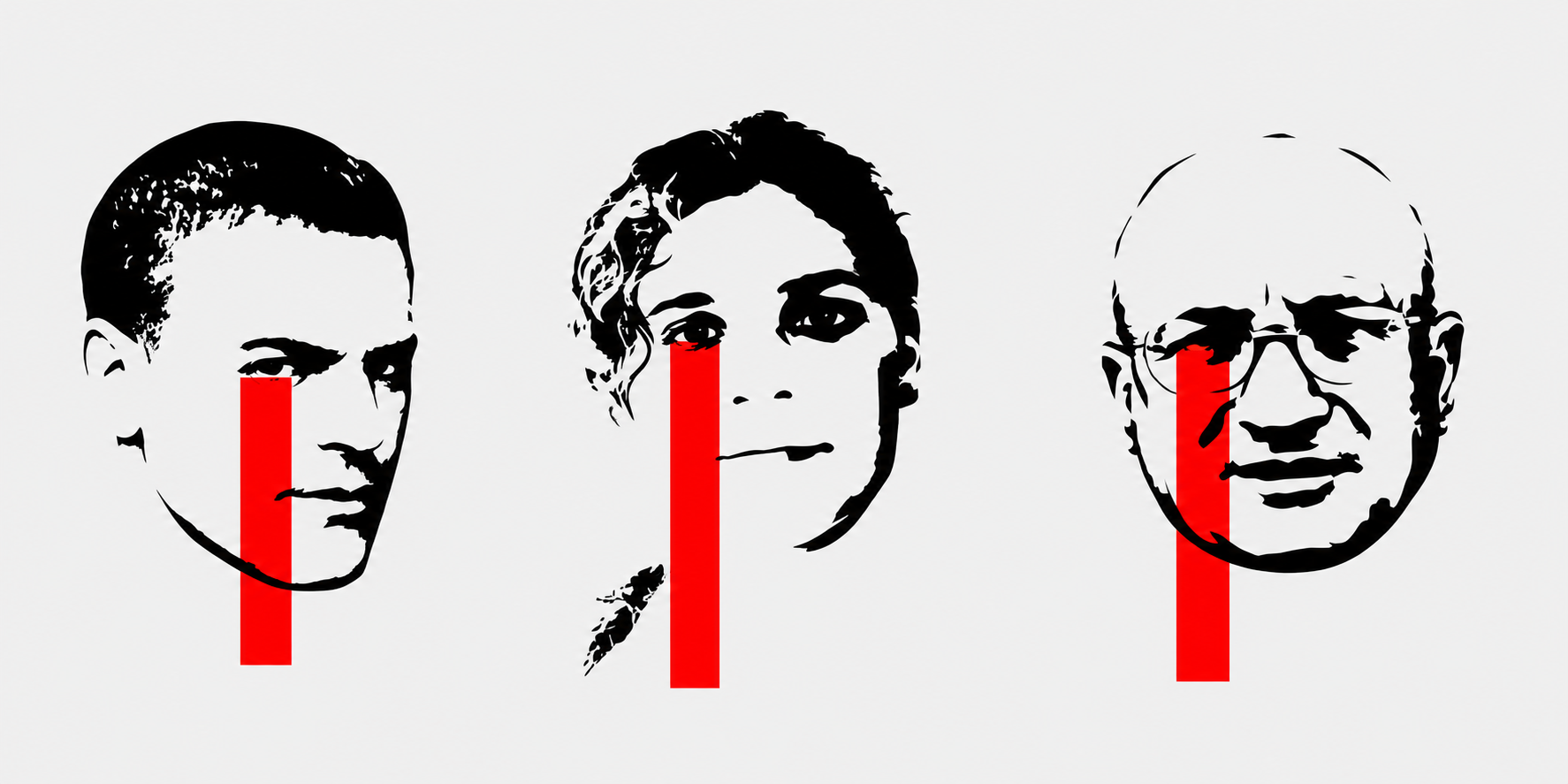
Amnesty International Demands Release of Prisoners of Conscience in Cuba
Two years after being designated prisoners of conscience by Amnesty International, Félix Navarro, Sayli Navarro, and Roberto Pérez Fonseca remain imprisoned in Cuba, facing deteriorating health conditions and ongoing family separation.
Continued Imprisonment and Prison Conditions in Cuba
Amnesty International marked the two-year anniversary on October 23, 2024, reiterating its demand for the immediate and unconditional release of the three activists. The organization concluded that all three were deprived of their liberty solely for peacefully exercising their human rights, amnesty.org reported.
Félix Navarro, founder of the Pedro Luis Boitel Party for Democracy, is serving a nine-year sentence. This marks his third imprisonment for political reasons. In January 2026, he underwent medical testing after showing possible symptoms of tuberculosis, but neither he nor his family received timely information about the results.

Sayli Navarro, a member of the Damas de Blanco (Ladies in White) movement, received an eight-year sentence following her arbitrary detention in the aftermath of the July 2021 protests. She remains detained in a facility that has lacked regular access to safe drinking water, and authorities have repeatedly denied her access to prison benefits under “re-education” criteria.
Roberto Pérez Fonseca is serving a 10-year sentence for his peaceful participation in the July 11, 2021 protests. His conviction relied in part on footage showing him tearing up an image of Fidel Castro. He has been held in punishment cells and faces serious chronic health conditions that have deteriorated during his detention.

Official Demands for Immediate Release
Ana Piquer, Amnesty International’s Americas Director, called for an end to the continued detention.
Two years after being named prisoners of conscience, Félix Navarro, Sayli Navarro and Roberto Pérez Fonseca remain unjustly deprived of their liberty. That means two more years separated from their families, subjected to the harsh conditions of Cuba’s prison system and punished solely for exercising their human rights. The Cuban authorities must release them immediately and unconditionally. They should not spend another day behind bars.
Piquer stated that the sentences illustrate how Cuban authorities misuse the criminal justice system to silence critical voices. Human rights organizations continue to call for an end to the use of imprisonment, harassment, and intimidation against individuals who express opinions or participate in protests.