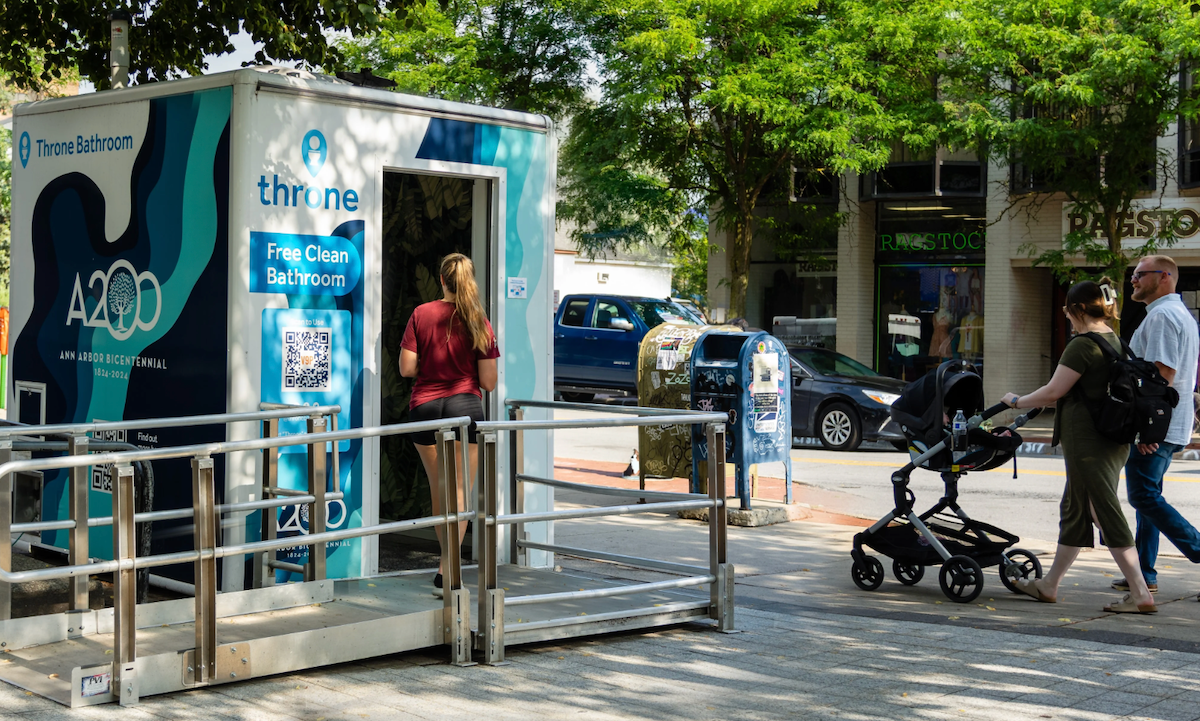
New York City installs modular public bathrooms using tap cards and apps
New York City is launching a $4 million, one-year pilot program to install 17 modular public bathrooms across its five boroughs, accessible via a digital text message, QR code, mobile app, or a free physical tap card. Announced on September 16, 2026, the initiative aims to address a severe infrastructure shortage for the city’s 8 million residents and millions of visitors.
Addressing a Severe Public Restroom Shortage Across the Five Boroughs
City officials state that New York currently maintains roughly 1,000 public bathrooms for a population exceeding 8 million people, alongside daily visitors and commuters. Finding an open restroom when needed often forces individuals to purchase unwanted items, such as a cup of coffee, solely to obtain an access code. The new modular units seek to alleviate this pressure by offering free, reliable facilities distributed strategically throughout the city.
The first phase of installations runs from mid-September into October 2026. Each unit comes equipped with flushing toilets, running water, climate control, and baby-changing stations. Operating hours are scheduled daily from 7 a.m. to 10 p.m.
Technology and Access Methods for the Modular Units
The city selected Throne Labs to operate and maintain the new facilities. Visitors can unlock the doors using multiple digital and physical methods. According to access instructions provided by the city, users can text the word “Throne” followed by the unit number, scan a QR code to initiate a prewritten text, or use a dedicated mobile app that displays nearby units, real-time availability, and cleanliness ratings.
To accommodate individuals without a smartphone or those facing a depleted battery, local partners will distribute free tap cards. Signs posted at each bathroom will direct visitors to a nearby card pickup location within a 10-minute walk.
Usage Monitoring, Safety Features, and Time Limits
The digital entry system allows Throne Labs to monitor visit volume and collect direct reports regarding cleanliness, which the company states helps dispatch cleaning crews efficiently. Throne announced that the system can issue warnings to users if smoking is detected during a visit associated with a specific phone number.
The bathrooms enforce a strict 10-minute time limit. At the five-minute mark, the unit announces that the visit is halfway over. At eight minutes, an audio warning indicates that time is running out. Once the 10-minute limit is reached, interior lights flash, and the door automatically opens after a short warning period. Throne officials note that the limit helps maintain unit availability and assists in potential medical emergencies, though the company acknowledges that the system currently lacks a mechanism to extend visits for individuals with mobility challenges.
The pilot program will test whether modern access technology can effectively maintain clean, accessible public infrastructure in a dense urban environment while providing a civic amenity that does not require commercial patronage.