
Cardiovascular Prevention Faces Crucial Gaps
Experts Urge Early Intervention and Holistic Care
Cardiovascular disease continues to pose a significant health crisis in the United States. A recent webinar highlighted persistent challenges in preventative care, emphasizing the growing understanding of interconnected risks.
A Shifting Paradigm in Heart Health
Experts convened at a webinar hosted by The American Journal of Managed Care®, in association with the American Society of Preventive Cardiology, to discuss critical gaps in cardiovascular disease prevention. The discussion underscored a transition in the field, acknowledging the intricate links between kidney health, metabolic dysfunction, and heart disease.
Viet Le, PA-C, associate professor of research at Intermountain Health, who moderated the session, noted the long-term nature of cardiovascular disease. “Cardiovascular disease itself…has this long fuse,”
Le explained. “I think of that, because the question always is, how do we have patients understand [the importance of] lifestyle changes, etc, and it can be hard to see those risks when that fuse is so long, so far ahead.”
Martha Gulati, MD, MS, FACC, FAHA, FASPC, FESC, a cardiologist at Cedars-Sinai Medical Center, highlighted advancements in pharmacotherapy as a positive development. “I do think that all cardiologists need to be identifying who’s at risk,”
Gulati stated. “Because I think what, hopefully, will happen, given the evolution of this field, is that preventive cardiologists are going to be more appreciated. I think it is really becoming a specialty unto itself.”
She emphasized the importance of identifying patients with coronary calcium, as this indicates a potential for disease progression.
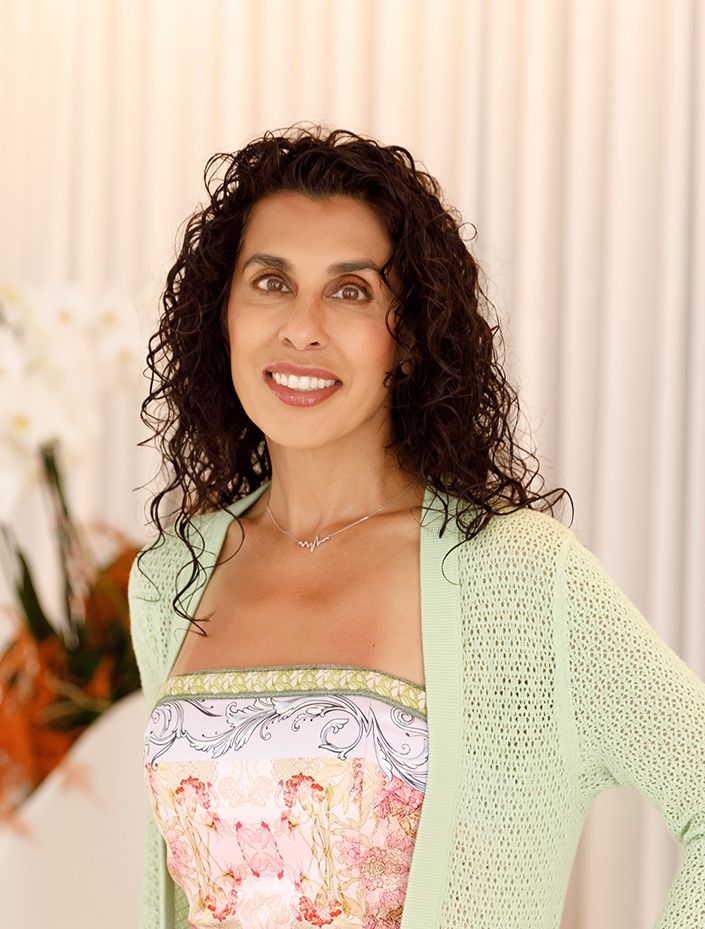
The primary obstacles to preventative care are patient inaction and insufficient access to medical services. Alison Bailey, MD, FACC, FASPC, chief of cardiology at Centennial Heart, observed that many patients are seen only after experiencing an event or living with uncontrolled hypertension for years. “Instead of meeting these people up front, when we really could make more of a profound impact, we’re meeting them sort of on the tail end, after they have established disease,”
Bailey said. “I would say it’s never too early to get a referral…”
She also pointed to access challenges in rural areas, including a lack of physicians and insurance coverage, as major hurdles for chronic disease management.

Emerging Cardiovascular Risk Factors
Lipoprotein(a), or Lp(a), is recognized as a significant risk factor, being six times more atherogenic than LDL cholesterol. Despite its impact, testing for Lp(a) remains low. However, updated guidelines from the National Lipid Association recommend lifelong testing for all adults, a move expected to boost awareness.
Nathan Wong, PhD, MPH, FACC, FAHA, FNLA, FASPC, professor and director of the Heart Disease Prevention Program at the University of California, Irvine, noted that testing can motivate patients toward lipid-lowering therapies and preventative practices. “We know that people who get tested—there’s some data published showing that this does seem to motivate greater initiation of lipid-lowering therapy and other preventive practices,”
Wong stated.
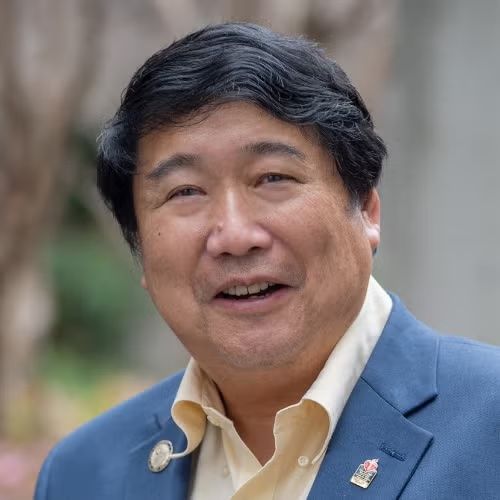
Children with a family history of cardiovascular disease or familial hypercholesterolemia should be tested during adolescence. Gulati added that women who had borderline Lp(a) levels should be re-evaluated after menopause due to increased risk. Bailey commented that while some find Lp(a) testing not actionable, future therapies are emerging.
Other key risk markers include elevated urine albumin-creatinine ratio and coronary calcium, both of which can guide statin therapy. Gulati stressed the need for personalized risk assessments, particularly for younger women, where standard tools may underestimate risk.
Strategies for Effective Prevention
Patients often understand the importance of healthy habits but face significant barriers to implementation. “We might be able to say things like, ‘Eat less, move more,’ but are we as good at prescribing it?”
Gulati questioned. “Are we really good at making people understand the diet and how they should be focusing and how to implement exercise?”
Breaking down exercise goals into manageable steps, such as starting with five minutes daily, and providing resources like dietitians or community programs can be effective. While clinicians cannot alter patients’ environments, they can connect them with existing supportive resources. However, insurance coverage for such preventative services remains a challenge.
Bailey suggested leveraging health savings accounts for gym memberships and personal trainers, and using health apps for accountability. She emphasized the impact of small changes. “Optimal should never, ever be the opposite of what is achievable and what we can do today,”
Bailey stated. “And you know, when we’re looking at population health…if we can get that group of people who does zero minutes of activity, doing 10 [minutes of] activity, we probably would make way more [progress] to our goal of preventing disease than getting people going from 20 [minutes] to 30 [minutes], or 30 [minutes] to 50 [minutes], or 50 [minutes] to 75 [minutes], and so I think those small changes are important.”
According to the Centers for Disease Control and Prevention, heart disease remains the leading cause of death in the United States, accounting for 1 in 5 deaths in 2021 (CDC 2023).
