
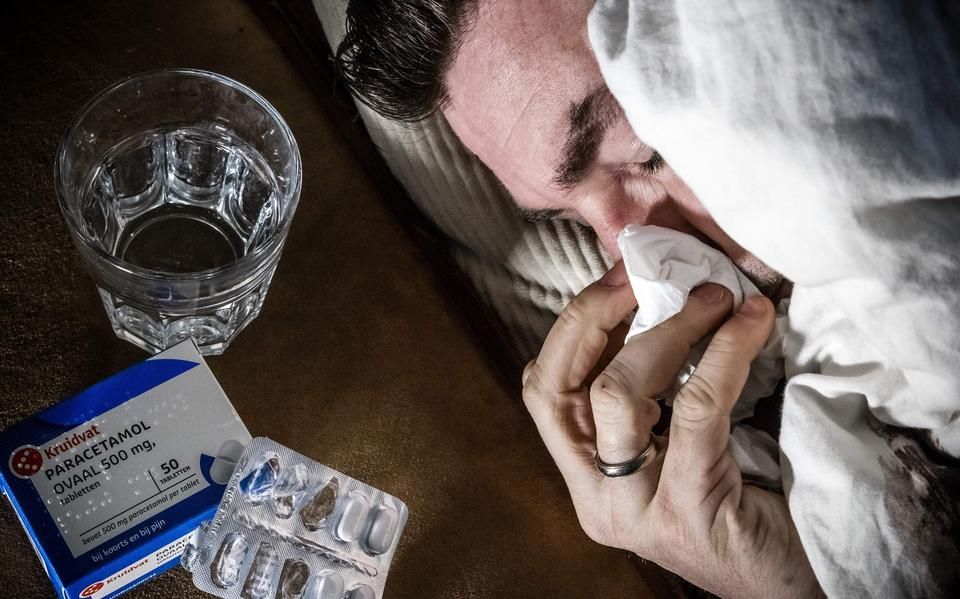
New Flu Variant Arrives Early in Europe: Is a More Severe Season Ahead?
Amsterdam, netherlands – Concerns are rising across Europe as a new influenza variant, A(H3N2) subclade K, is circulating earlier than usual this year. While health officials aren’t yet predicting a more severe illness, the early arrival and novelty of the strain are prompting increased vigilance and a renewed push for vaccination.
The variant’s emergence has sparked questions about whether this winter will see a heavier burden of flu cases. According to Adam meijer, a virologist at the Netherlands’ National Institute for Public Health and the surroundings (RIVM), the potential for increased infections stems from lower levels of natural immunity to this specific strain. “More people may get the flu because natural immunity is lower against this new variant,” Meijer explained.
However, crucially, current data does not suggest that infection with the A(H3N2) subclade K leads to more serious illness than other flu strains. Preliminary data from the United Kingdom indicates that the types of symptoms experienced by patients remain consistent with typical flu seasons.
Who is Most Vulnerable?
Despite the lack of evidence pointing to increased severity across the board, health authorities are emphasizing that certain populations remain especially vulnerable to the flu’s dangers. The elderly, pregnant women, and individuals with chronic health conditions are at heightened risk of complications, irrespective of the circulating strain. This vulnerability isn’t necessarily tied to the new variant itself, but rather to pre-existing health factors.
Flu Vaccine Effectiveness: A Note of Caution
A key concern revolves around the effectiveness of this year’s flu vaccine. The vaccine was developed and formulated before the A(H3N2) subclade K became dominant. Laboratory studies indicate the vaccine may generate a somewhat weaker antibody response against this new variant.
Though, both the European Center for disease Prevention and Control (ECDC) and RIVM assure the public that the vaccine still appears to offer notable protection against severe illness, hospitalization, and death.”In practice it still appears to provide sufficient protection against serious illness,” a joint statement from the agencies confirmed. Therefore, vaccination remains the most important preventative measure, particularly for those in vulnerable groups.
Simple Steps to Stay Healthy
Alongside vaccination, public health officials are reinforcing the importance of basic hygiene practices. Frequent handwashing and covering coughs and sneezes with the elbow are proven methods to limit the spread of influenza and other respiratory viruses.
Dr. Michael Lee, World-Today-News.com – Health & Science Editor
