
Australia Recognizes Palestinian Statehood Amidst Ongoing conflict
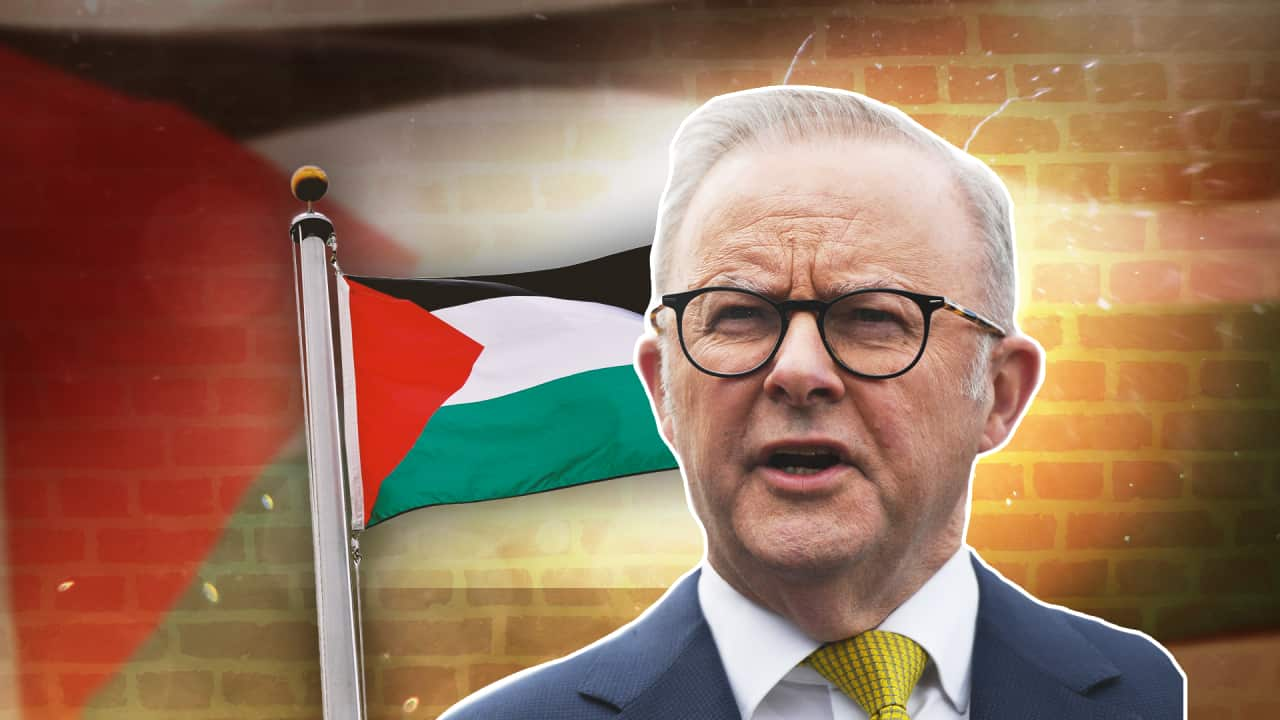
Prime Minister Anthony Albanese and Foreign Minister Penny Wong are currently participating in high-level meetings at teh United Nations in New York, where Australia announced its recognition of the State of Palestine. The decision, formalized by the australian cabinet and effective promptly without parliamentary ratification or a UN vote, marks a significant shift in Australian foreign policy. (Source: Aap / Lukas Coch)
Albanese emphasized the decision aligns with a parliamentary resolution passed after October 7th, which prioritized the protection of innocent lives and adherence to international law. “We go back to the resolution that was carried by the parliament with support from all of the government parties after October 7 that called for the protection of innocent life, that calls for the implementation, of course, and the compliance with international law,” he stated.He further expressed hope for a resolution to the ongoing violence, saying, “And we continue to be strong advocates. And what has happened is that the world is saying enough is enough. The cycle of violence must end.”
The Palestinian ambassador to the UN, Riyad Mansour, welcomed the recognition, stating it could foster a political horizon and advance the pursuit of a two-state solution.he passionately called for an end to the conflict, urging, “Give peace a chance. Stop this insanity. Stop this genocide, allow peace to prevail. Save the lives of Palestinians and Israelis… Peace is much nicer than war. Killing is no good, and I believe the Israeli people will also rise to the occasion. Enough is enough. Two years of trying to exterminate the Palestinian people and you did not succeed.”
However, the move has drawn criticism from the australian opposition. Opposition leader Sussan Ley and foreign affairs spokesperson michaelia Cash released a joint statement condemning the decision as yielding to “extortion” by Hamas and a “hollow gesture” that offers Palestinians “false hope.” They maintain that recognition should only occur at the conclusion of a peace process, citing Palestine’s lack of established borders and effective governance. “Palestine has no established borders and no effective government,” their statement read. They also highlighted the ongoing hostage situation and hamas’ control over Gaza, stating, “The inconvenient truth for the Albanese government is this recognition comes while hostages remain in tunnels under Gaza and while the Gaza Strip and the Palestinian people remain under the control of the listed terrorist organisation Hamas.”
Despite the criticism, the Australian government expressed confidence in the potential for an internationally supported peace plan. This plan would focus on rebuilding Gaza while simultaneously ensuring Israel‘s security, and includes provisions for democratic elections, financial reforms, and improvements within the Palestinian governing and education systems. The government firmly stated, “Terrorist organisation Hamas must have no role in Palestine.” Further steps, such as establishing diplomatic relations and opening embassies, will be contingent on the Palestinian Authority demonstrating progress on its commitments to reform.
Australia’s decision aligns it with countries like France, the UK, and Canada, but places it at odds with its key security ally, the United States. Prime Minister Albanese has yet to meet with US President Donald Trump, though both leaders are scheduled to be in New York this week for international talks, raising the possibility of a meeting.
