
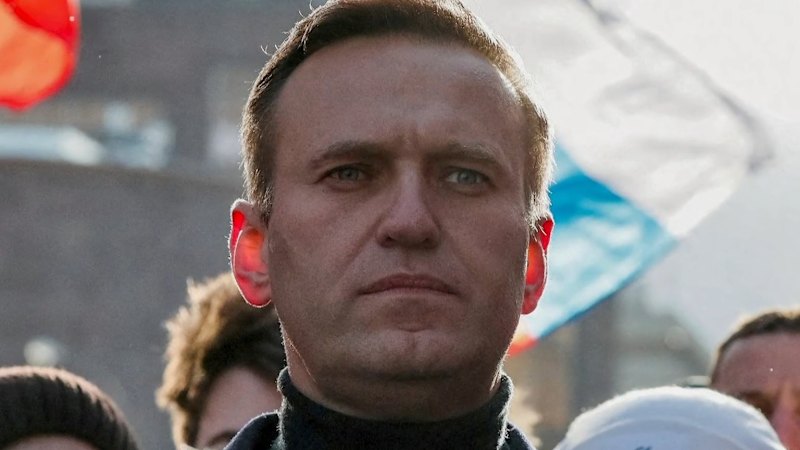
A deadly toxin derived from poison dart frogs was used in the killing of Russian opposition leader Alexei Navalny, according to a joint statement released Saturday by the governments of the United Kingdom, Sweden, France, Germany, and the Netherlands.
The statement, issued during the Munich Security Conference, confirmed the presence of epibatidine in tissue samples taken from Navalny’s body. “These analyses have conclusively confirmed the presence of epibatidine,” the governments said. Epibatidine is a highly toxic poison found in the skin of dart frogs native to South America and is not naturally occurring in Russia.
Foreign Secretary Yvette Cooper, speaking from the Munich Security Conference, stated that only the Russian government possessed the “means, motive and opportunity” to administer the toxin while Navalny was imprisoned. “Russia saw Navalny as a threat,” Cooper said. “By using this form of poison the Russian state demonstrated the despicable tools it has at its disposal and the overwhelming fear it has of political opposition.”
The accusation follows Navalny’s death in a Siberian penal colony on February 16, 2024. Moscow has dismissed the findings as an “information campaign,” according to the Tass news agency, offering no alternative explanation for the presence of the toxin.
The joint statement detailed that given the toxicity of epibatidine and the reported symptoms Navalny experienced, poisoning was “highly likely” the cause of his death. The governments emphasized that Russia had both the capability and the intent to carry out the poisoning while Navalny was in custody.
What we have is not the first time Russia has been accused of using toxins against Navalny. In 2020, a similar international investigation concluded that Navalny was poisoned with the nerve agent Novichok. The UK Foreign Office noted this history, referencing the 2018 poisoning in Salisbury that resulted in the death of British woman Dawn Sturgess.
The five countries have reported Russia to the Organisation for the Prohibition of Chemical Weapons (OPCW) for a breach of the Chemical Weapons Convention. As of Saturday, the OPCW had not issued a public response. The UK’s Permanent Representatives to the OPCW have formally informed the Director General of the alleged Russian breach.
Yulia Navalnaya, Navalny’s widow, met with Foreign Secretary Cooper at the Munich Security Conference this weekend, according to Cooper’s statement. Navalnaya has vowed to continue her husband’s work exposing corruption within the Russian government.
